
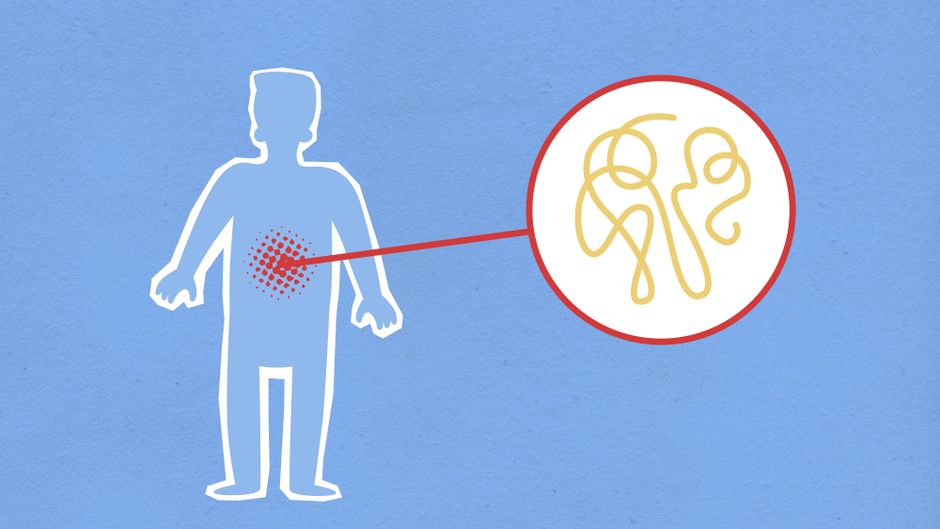
You hear it in a quiet meeting, during a date, or right as you lie down at night. That sudden gurgle, rumble, or squeak from your abdomen is called borborygmi (pronounced bor-boh-RIG-mee). It is the sound of gas and fluid moving through your intestines as part of normal digestion. In most cases, stomach gurgling is a harmless sign that your digestive system is working. It only becomes something to worry about when it comes with pain, bloating, or changes in your bowel habits.
What Actually Causes Stomach Gurgling?
Your digestive tract is a long, muscular tube. It contracts to push food, liquid, and gas along. This process is called peristalsis. When the walls of your stomach and intestines squeeze, they mix and push the contents forward. The gurgling sound comes from air and fluid being moved through these narrow passages.
Research published in the World Journal of Gastroenterology explains that these sounds are mostly normal. They happen when the stomach and intestines are actively working. The noise is louder when the tract is empty because there is less food to muffle the sound. That is why you often hear gurgling when you are hungry.
Gas is another major contributor. You swallow air when you eat, drink, or talk. Bacteria in your large intestine also produce gas as they break down undigested food. This gas mixes with liquid and creates the bubbling noises you hear.
When Should You Worry About Stomach Gurgling?
Stomach gurgling alone is rarely a problem. The National Institute of Diabetes and Digestive and Kidney Diseases states that normal bowel sounds are a sign of healthy digestion. You should pay attention when the gurgling comes with other symptoms.
Pain is the main red flag. If your stomach is gurgling loudly and you also have sharp cramps, bloating, or nausea, something else may be happening. Diarrhea or constipation that lasts more than a few days is also worth noting. These combinations can point to conditions like irritable bowel syndrome (IBS), food intolerances, or infections.
One specific situation to watch for is a complete lack of bowel sounds. If your stomach goes completely silent for several hours and you have severe pain, this can signal a blockage. This is rare but serious. The American College of Gastroenterology advises seeking medical help if you have no bowel sounds along with vomiting or a swollen abdomen.
Does What Causes Stomach Gurgling Differ By Food?
Yes, certain foods make gurgling more noticeable. The reason is not just what you eat but how your body processes it.
High-fiber foods like beans, lentils, broccoli, and whole grains are famous for causing gas. Bacteria in your colon ferment the fiber that your small intestine cannot digest. This produces hydrogen, methane, and carbon dioxide. The gas has to go somewhere, and it often makes noise on the way out.
Carbonated drinks add direct air to your system. Soda, sparkling water, and beer release gas as they warm up in your stomach. This gas distends the stomach walls and triggers more contractions, which means more gurgling.
Dairy products are a common culprit for people with lactose intolerance. When your body lacks enough lactase enzyme, undigested lactose reaches the colon. Bacteria feast on it and produce gas and fluid. This leads to loud gurgling, often followed by bloating or diarrhea.
Sugar alcohols like sorbitol, xylitol, and mannitol are found in sugar-free gum, candy, and some protein bars. Your body absorbs them poorly. They pull water into the intestine and feed bacteria, creating both gas and loose stools. Many people report louder stomach noises within an hour of eating them.





What Does Research Say About Common Myths?
One popular myth is that loud stomach gurgling means you are losing weight or burning fat. This is not true. The sound comes from movement of gas and fluid, not from fat breakdown. Weight loss happens when you burn more calories than you consume over time. A gurgling stomach is just a noisy digestive system, not a sign of fat burning.
Another myth is that gurgling always means you are hungry. While an empty stomach does amplify sounds, you can also hear gurgling right after a large meal. Your intestines are working hard to process the food, which creates plenty of noise. The Mayo Clinic notes that both hunger and digestion produce bowel sounds. The difference is timing and what else is happening in your gut.
A third myth is that you can stop gurgling by drinking more water. Water helps digestion, but it does not silence your intestines. In fact, drinking water can sometimes make gurgling louder because it adds more fluid for the intestines to move. Staying hydrated is good for overall health, but it will not turn off the noise.
Can You Reduce Stomach Gurgling With Diet Changes?
You cannot stop your intestines from making sound entirely. But you can reduce the frequency and volume by adjusting what and how you eat.
| Common Trigger | Why It Causes Gurgling | What to Try Instead |
|---|---|---|
| Carbonated drinks | Adds gas directly to stomach | Still water or herbal tea |
| High-fiber foods | Fermented by gut bacteria | Introduce fiber slowly over weeks |
| Dairy (if intolerant) | Undigested lactose feeds bacteria | Lactose-free milk or lactase pills |
| Sugar alcohols | Poorly absorbed, pulls water in | Check labels; limit gum and candy |
| Large meals | Stretches stomach, increases contractions | Smaller, more frequent meals |
Eating slowly is one of the most effective changes. When you rush through a meal, you swallow extra air. This air has to come out one way or another. Chewing with your mouth closed and taking smaller bites reduces the amount of air you swallow. A study in PLOS ONE found that people who ate more slowly reported less bloating and gas.
Some people find that avoiding certain trigger foods for a week helps identify the cause. Keep a simple diary of what you eat and when you hear the loudest gurgling. Patterns often emerge. Common triggers include onions, garlic, wheat, and beans. But everyone is different. A food diary is more reliable than guessing.
Probiotics are widely promoted for gut health, but the evidence is mixed. Some studies suggest that certain strains like Bifidobacterium lactis or Lactobacillus plantarum can reduce gas production. Other studies show no effect. The American Gastroenterological Association says probiotics may help some people, but there is not enough evidence to recommend them for everyone. If you try probiotics, give them two to four weeks and see if your symptoms change.
What About Medical Conditions That Cause Loud Gurgling?
Sometimes stomach gurgling is a symptom of an underlying condition. Irritable bowel syndrome (IBS) affects 10 to 15 percent of people in the United States according to the International Foundation for Gastrointestinal Disorders. People with IBS often have louder and more frequent bowel sounds. This happens because their intestines contract more forcefully or irregularly.
Small intestinal bacterial overgrowth (SIBO) is another condition linked to excessive gurgling. In SIBO, bacteria that normally live in the colon grow in the small intestine. They ferment food earlier in the digestive process, producing gas and causing bloating, pain, and loud noises. A breath test can help diagnose SIBO. Treatment usually involves antibiotics and dietary changes.
Celiac disease is an autoimmune reaction to gluten. It damages the lining of the small intestine and leads to poor absorption of nutrients. Gas, bloating, and loud gurgling are common complaints. The Celiac Disease Foundation reports that about 1 in 100 people worldwide have this condition. A blood test can screen for it.
Food intolerances like lactose intolerance or fructose malabsorption can cause similar symptoms. Your body lacks the enzymes to break down certain sugars. They reach the colon undigested, where bacteria ferment them. This creates gas, fluid, and noise. These conditions are common and often manageable by avoiding trigger foods or using enzyme supplements.
If your stomach gurgling comes with weight loss, blood in your stool, or persistent pain, see a doctor. These symptoms need proper evaluation. Do not try to self-diagnose based on internet articles.
Common Misconceptions About Stomach Gurgling
One misconception is that stomach gurgling means you have a parasite or an infection. Most cases of loud bowel sounds have nothing to do with infections. Viral gastroenteritis (stomach flu) can cause increased gurgling along with diarrhea and vomiting. But the gurgling itself is not a sign of infection. It is just a byproduct of the increased fluid and movement in your gut.
Another misconception is that you can train your stomach to be quieter. There is no evidence that you can control bowel sounds through willpower or relaxation techniques. Stress can affect digestion, and some people report less gurgling when they are calm. But the sounds are a mechanical process driven by muscle contractions and gas movement. You cannot consciously stop them.
Some people believe that gurgling means their food is not digesting properly. This is rarely the case. Normal digestion produces sounds. The absence of sound would be more concerning than the presence of it. Your digestive system is designed to be active and noisy.
A final misconception is that over-the-counter gas relief medications like simethicone stop gurgling. Simethicone helps gas bubbles combine so they can be passed more easily. This can reduce bloating, but it does not stop the sounds. The gas still moves through your intestines. The noise may change pitch but will not disappear entirely.
Frequently Asked Questions
Why does my stomach gurgle when I am not hungry?
Your intestines contract even when empty to sweep out leftover food and bacteria. This is called the migrating motor complex, and it happens between meals.
Can stress cause loud stomach gurgling?
Stress activates the gut-brain connection and can speed up or slow down digestion. Some people experience louder bowel sounds during anxious periods.
Is it normal to hear stomach gurgling after every meal?
Yes, it is normal. Your intestines are actively mixing and moving food after you eat. The noise is just part of that process.
When should I see a doctor for stomach gurgling?
See a doctor if the gurgling comes with severe pain, vomiting, blood in your stool, or unexplained weight loss. These symptoms need medical evaluation.
