
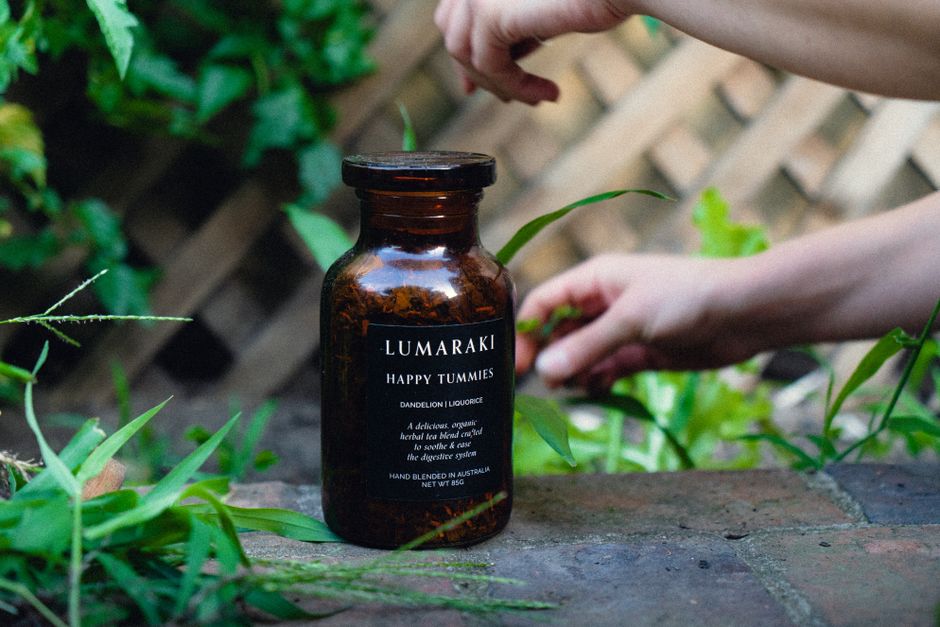
When your stomach is upset, what you drink can either settle it or make it worse. Plain water, ginger tea, chamomile tea, peppermint tea, fennel tea, clear broths, diluted juice, and coconut water are eight drinks people commonly turn to for stomach discomfort. None of them treat a medical condition, but several have real evidence behind them for specific symptoms like nausea or indigestion.
The right choice depends on what is actually wrong. An upset stomach from a stomach bug is a different problem from acid reflux, gas, or nausea from motion sickness. Matching the drink to the cause matters more than picking the most popular remedy.
What Drink Calms Your Stomach: 8 Soothing Options
Here is what each option does, what the evidence actually supports, and when it is the wrong choice.
1. Plain Water
Water is the most important drink when your stomach is upset, especially if you have been vomiting or have diarrhea. The main risk from a stomach bug is dehydration, and water replaces lost fluid. It will not stop nausea or cramping on its own, but it prevents the problem from getting worse.
Cold water can sometimes trigger nausea in sensitive people. If that happens, room temperature water is easier to keep down. Sip slowly rather than drinking a large amount at once.
2. Ginger Tea
Ginger has the strongest evidence of any drink on this list for nausea. Research published in the journal Obstetrics & Gynecology and other peer-reviewed sources has found ginger effective for nausea in pregnancy and after surgery, and it is widely used for motion sickness and general queasiness.
Ginger tea is made by steeping fresh sliced ginger or a tea bag in hot water. Some people find it helps within 30 minutes. Others notice no difference. The evidence is strongest for nausea specifically, weaker for indigestion or acid reflux.
Ginger can interact with blood-thinning medications. If you take warfarin or a similar drug, talk to your doctor before using it regularly.
3. Chamomile Tea
Chamomile is a mild sedative and antispasmodic, meaning it may relax the smooth muscle of the digestive tract. Some studies suggest it helps with indigestion and mild cramping, though the evidence is not as strong as it is for ginger and nausea.
Chamomile is most useful when stomach upset comes with anxiety or trouble sleeping. The calming effect on the nervous system may reduce the gut symptoms that stress can trigger. People with ragweed allergies should be cautious, since chamomile is in the same plant family.
4. Peppermint Tea
Peppermint relaxes the muscles of the digestive tract. This makes it helpful for gas, bloating, and cramping. It is one of the better options for irritable bowel symptoms and general abdominal discomfort.
Peppermint is the wrong choice if you have acid reflux or GERD. It relaxes the valve between the stomach and esophagus, which can let acid flow upward and make heartburn worse. If your stomach problem is burning or regurgitation, skip peppermint.
5. Fennel Tea
Fennel is a traditional remedy for gas and bloating. Some small studies suggest fennel may reduce intestinal spasms, but the research is limited compared to ginger or peppermint. It is generally considered safe in normal food amounts.
Fennel tea is mild and easy to drink. It is a reasonable option when the main symptom is trapped gas or a feeling of fullness. Do not expect it to resolve a serious digestive issue.
6. Clear Broths
Bone broth and simple vegetable or chicken broth do two things water cannot. They replace electrolytes like sodium and potassium lost through vomiting or diarrhea, and they are easier to tolerate than heavy food when you are not ready to eat.
Broth is not a treatment for stomach upset. It is a way to stay hydrated and get some minerals while your stomach settles. Avoid broths high in fat or added spices if nausea is severe.
7. Diluted Juice
Fruit juice is high in sugar, which can pull water into the intestines and worsen diarrhea. Diluting it with equal parts water reduces that effect. Apple juice diluted this way is sometimes used for mild rehydration in children, though oral rehydration solutions are more effective.
For adults with a mild upset stomach, a small amount of diluted juice is fine. For significant diarrhea or vomiting, an oral rehydration solution is the better choice because it has the right balance of sugar and salt.
8. Coconut Water
Coconut water contains potassium and some sodium, making it a mild electrolyte drink. It is not a replacement for oral rehydration solution, which has a specific ratio of sodium, glucose, and water designed for treating dehydration. But for mild fluid loss, coconut water is a reasonable option.
It is low in sugar compared to most sports drinks. Some people find it easier on the stomach than juice. If diarrhea is severe, it will not replace the sodium you need.
Which Drink Is Best for Which Symptom?
Matching the drink to the symptom is more useful than picking one universal remedy.
- Nausea: Ginger tea has the best evidence.
- Gas and bloating: Peppermint tea or fennel tea.
- Acid reflux: Water or chamomile. Avoid peppermint.
- Vomiting or diarrhea: Water, clear broth, or oral rehydration solution.
- Stress-related stomach upset: Chamomile tea.
- Mild dehydration: Coconut water or diluted juice.
What Drinks Make Stomach Problems Worse?
Some drinks reliably aggravate an upset stomach, and avoiding them matters as much as choosing the right one.
Coffee and other caffeinated drinks increase stomach acid and can worsen reflux and nausea. Alcohol irritates the stomach lining directly and speeds dehydration. Carbonated drinks add gas and pressure. Very sugary drinks, including undiluted juice and regular soda, can worsen diarrhea by drawing water into the bowel.
Milk is a common trap. It can temporarily soothe acid reflux by neutralizing stomach acid, but it also stimulates more acid production afterward, which can make symptoms worse. People with lactose intolerance may find dairy causes the stomach problem in the first place.





When Should You See a Doctor Instead?
Most mild stomach upset settles within a day or two with fluids and rest. Certain signs mean you should not rely on home remedies.
Seek medical care if you cannot keep fluids down for more than a day, if you have severe or worsening pain, blood in vomit or stool, a fever with significant abdominal pain, or signs of dehydration such as dizziness, dark urine, or a very dry mouth. Persistent vomiting or diarrhea in older adults and young children can become dangerous faster than many people expect.
Stomach symptoms that last for weeks, come with unexplained weight loss, or wake you at night need evaluation. These are not problems a cup of tea will fix.
How to Drink When Your Stomach Is Upset
How you drink matters almost as much as what you drink. Large gulps of anything can trigger nausea or cramping. Sip small amounts frequently instead.
Start with a few tablespoons and wait a few minutes. If that stays down, gradually increase. Room temperature or warm drinks are usually easier to tolerate than very cold ones. Stop if a drink makes symptoms worse — the same remedy that helps one person can aggravate another.
Frequently Asked Questions
What is the fastest drink to calm an upset stomach?
Ginger tea has the strongest evidence for settling nausea quickly. Plain water is the safest first choice if you are vomiting or have diarrhea, because dehydration is the main risk.
Is ginger ale good for an upset stomach?
No. Most commercial ginger ale contains very little real ginger and a lot of sugar, which can worsen diarrhea. Ginger tea made from actual ginger is the better option.
Can peppermint tea make acid reflux worse?
Yes. Peppermint relaxes the valve between the stomach and esophagus, which can let acid flow up and worsen heartburn. Avoid it if your main symptom is burning or regurgitation.
How long should stomach upset last before seeing a doctor?
Mild upset usually improves within a day or two. See a doctor if it lasts more than a few days, or sooner if you have severe pain, blood, fever, or signs of dehydration.
