

Yes, a full stomach can cause shortness of breath, and the reason usually comes down to simple mechanics: a distended stomach pushes upward on the diaphragm, the muscle that does most of the work of breathing. When the diaphragm has less room to move, each breath feels shallower and more effortful. For most healthy people this is mild and temporary. For people with certain heart or lung conditions, a full stomach can make breathing noticeably harder.
The discomfort tends to build after a large or heavy meal, especially when you lie down soon afterward. It is not a sign that your lungs are failing. It is your body telling you that two things competing for the same space — a full stomach and a working diaphragm — are temporarily at odds.
Can A Full Stomach Cause Shortness Of Breath?
Yes, and the mechanism is well understood. Your diaphragm is a dome-shaped muscle that sits just below your lungs and just above your abdominal organs. When you inhale, it contracts and flattens downward, creating negative pressure that pulls air into your lungs. Your abdominal cavity and your chest cavity share that boundary.
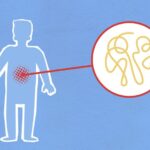
When your stomach fills with food, liquid, or gas, it expands. That expansion pushes your other abdominal organs slightly downward and outward, but the diaphragm above them can only go so far. A full stomach effectively competes with your lungs for space. The result is a smaller range of motion for the diaphragm and a feeling that you cannot take a full, satisfying breath.
This is sometimes called gastric distension, and it is a mechanical effect rather than a disease. It can happen to anyone after a large meal. The sensation usually eases as the stomach empties, which typically takes a few hours depending on what and how much you ate.
Why Does A Full Stomach Make It Harder To Breathe?
The short answer is pressure and positioning. Three things happen after a big meal that can each reduce your breathing room.
First, the stomach physically expands. A large meal can stretch the stomach well beyond its resting size. That volume has to go somewhere, and upward pressure on the diaphragm is part of where it goes.
Second, lying down changes the equation. When you are upright, gravity helps keep abdominal contents lower. When you lie back, especially on your back, the stomach and its contents press more directly against the diaphragm. This is one reason shortness of breath after eating is often worse when you recline.
Third, swallowed air plays a role. Eating quickly, drinking carbonated beverages, or chewing gum can increase the amount of air in your stomach. Gas and air add volume without adding nutrition, and that volume still takes up space.
None of this means your lungs are damaged. It means the muscle that drives your breathing has less room to do its job.
When Is Shortness Of Breath After Eating A Warning Sign?
Occasional mild breathlessness after a very large meal is common and usually not concerning. Shortness of breath that comes with certain other symptoms, however, deserves prompt medical attention.
Seek emergency care if breathing difficulty after eating is accompanied by:
- Chest pain, pressure, or tightness
- Pain spreading to the arm, jaw, neck, or back
- Sudden severe shortness of breath
- Blue or gray color in the lips or face
- Fainting or near-fainting
- Difficulty speaking in full sentences
- Swelling in the legs or feet along with breathlessness
These signs can point to heart problems, a blood clot in the lungs, or other serious conditions. They are not explained by a full stomach alone.
There is also a specific pattern worth knowing. People with coronary artery disease sometimes develop chest pain or breathlessness after eating, because digestion diverts blood flow and increases the heart’s workload. This is sometimes called postprandial angina. It is a recognized clinical pattern, not a stomach problem, and it should be evaluated by a doctor.




Which Conditions Make This Worse?
For some people, a full stomach does more than cause mild discomfort. Several conditions make the diaphragm more sensitive to pressure from below.
Gastroesophageal reflux disease (GERD) is one. A full stomach increases pressure that can push stomach acid upward. Reflux can irritate the esophagus and, in some people, trigger coughing or a sensation of breathlessness. The two problems — reflux and breathing discomfort — often travel together after large meals.
Hiatal hernia is another. In this condition, part of the stomach pushes up through the opening in the diaphragm where the esophagus passes through. A hiatal hernia reduces the space available in the chest and can make a full stomach feel more oppressive.
Heart failure changes things significantly. When the heart cannot pump efficiently, fluid can build up in the lungs and around them. A full stomach adds pressure on top of that. People with heart failure often report that breathing is harder after eating, and this is a recognized reason some eat smaller, more frequent meals.
Chronic obstructive pulmonary disease (COPD) matters too. When the lungs are already working harder, anything that limits diaphragm movement — including a very full stomach — can make breathing feel more labored.
If you have any of these conditions and notice that eating reliably worsens your breathing, that pattern is worth mentioning to your doctor.
Does Lying Down After Eating Make It Worse?
Yes, and this is one of the most consistent findings in how the body responds to a full stomach. Lying flat removes the help of gravity and lets abdominal contents press more directly upward against the diaphragm.
This is also why reflux symptoms tend to worsen when you lie down soon after eating. The same pressure that reduces breathing room can push stomach contents into the esophagus.
For people who notice breathlessness after meals, staying upright for a while after eating often makes a difference. So does eating smaller meals rather than one large one. These are practical adjustments, not treatments, and they work because they reduce the mechanical pressure in the first place.
What Helps Shortness Of Breath From A Full Stomach?
The most reliable approach is to reduce the pressure itself. That means smaller meals, eating more slowly, and avoiding carbonated drinks that add gas volume. Sitting upright or walking gently after a meal helps gravity work in your favor.
If you tend to eat late and lie down soon after, shifting your largest meal earlier in the day can reduce nighttime symptoms. Loose clothing around the waist also removes one more source of pressure on the abdomen.
For people with reflux, some clinicians recommend avoiding specific trigger foods and elevating the head of the bed. That guidance is common in clinical practice, though individual responses vary. If symptoms are frequent or severe, a doctor can help identify whether an underlying condition is driving them.
What does not help is assuming the problem is always the stomach. Persistent or worsening breathlessness after eating should be evaluated, particularly if you have heart or lung disease. The stomach is a common and usually harmless explanation. It is not the only one.
Does A Full Stomach Cause Shortness Of Breath In Everyone?
No. Many people eat large meals without any breathing discomfort at all. How much a full stomach affects breathing depends on body size, posture, meal size, and whether an underlying heart or lung condition is present.
People with a larger abdomen, whether from weight or other causes, may notice more pressure on the diaphragm because there is already less room in the chest cavity. Pregnancy is a clear example — a growing uterus pushes upward on the diaphragm, and many pregnant women report shortness of breath, especially in the later months. This is a mechanical effect, and it is expected.
The key point is that the sensation is real but usually not dangerous on its own. It becomes worth investigating when it is new, severe, persistent, or accompanied by other symptoms.
Frequently Asked Questions
Can a full stomach cause shortness of breath?
Yes. A full stomach expands and pushes upward on the diaphragm, the main muscle used for breathing, which reduces how much room your lungs have to expand. The effect is usually mild and temporary in healthy people.
Why do I get short of breath after eating a big meal?
A large meal stretches the stomach, and that volume presses against the diaphragm from below. Lying down soon after eating makes it worse because gravity no longer helps keep abdominal contents lower.
When should shortness of breath after eating worry me?
Get emergency care if breathlessness after eating comes with chest pain, fainting, blue lips, or sudden severe difficulty breathing. These symptoms are not explained by a full stomach and may signal a heart or lung problem.
Does lying down after eating make breathing harder?
Yes. Lying flat lets the stomach and its contents press more directly against the diaphragm, which can make breathing feel more difficult. Staying upright for a while after meals often reduces this.
