
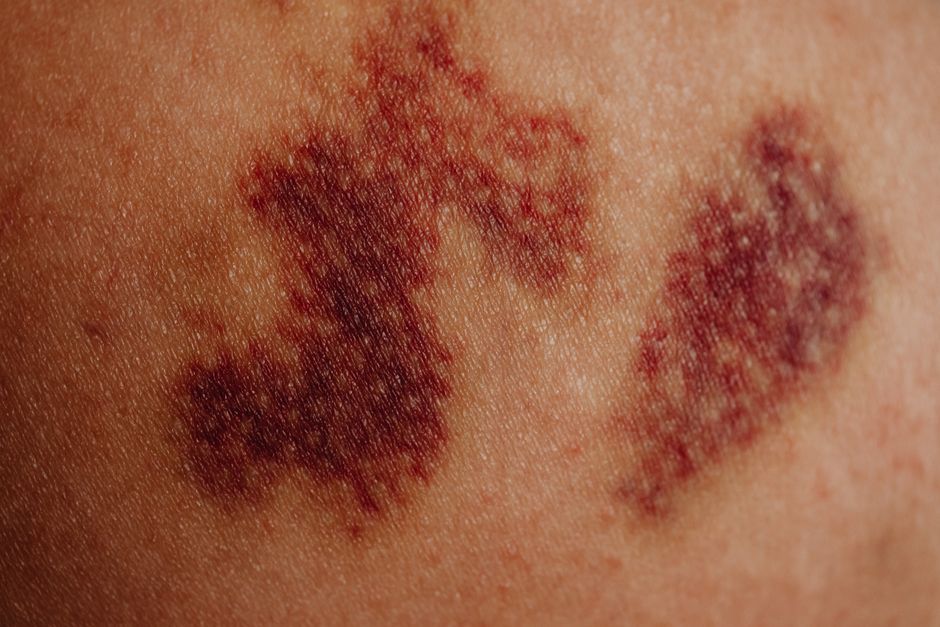
Skin discoloration happens when your body makes too much or too little melanin, the pigment that gives skin its color. It can also happen when blood vessels, inflammation, or certain medical conditions change how your skin appears. The most common forms are dark patches, red marks, and pale or white spots, and each has its own set of triggers and treatments.
What Causes Skin Discoloration?
The short answer is that skin color changes for many reasons. Sun damage, hormonal shifts, inflammation, and genetics all play a role. Some causes are harmless and temporary. Others signal an underlying health condition that needs medical attention.
Melanin production is the main driver. When skin cells called melanocytes produce extra pigment in one area, you get dark spots. When they stop producing pigment, you get white patches. Redness comes from dilated blood vessels or inflammation beneath the skin surface.
Dark Patches and Brown Spots
Dark patches are the most common type of discoloration. They range from small freckle-sized spots to large irregular areas. Most are linked to sun exposure or hormones.
Sunspots, also called solar lentigines, develop after years of UV exposure. They appear on the face, hands, chest, and shoulders — the areas that get the most sun. The skin produces extra melanin to protect itself from UV damage, and over time that pigment clumps into visible spots. These are harmless but can look like other skin conditions, so a dermatologist should confirm the diagnosis.
Melasma is a different type of darkening. It appears as large, symmetrical patches on the cheeks, forehead, and upper lip. Hormones are the main trigger. Pregnancy, birth control pills, and hormone therapy can all cause it. Sun exposure makes it worse. Melasma is not dangerous, but it is often stubborn and difficult to treat.
Post-inflammatory hyperpigmentation is another common cause. Any skin injury — acne, a cut, eczema, or even a harsh skincare product — can leave a dark mark behind. The skin produces extra melanin in response to inflammation. This is more common in darker skin tones and can take months to fade.
Red and Pink Discoloration
Redness usually means blood vessels are dilated or inflamed. The cause can be temporary or chronic.
Rosacea is a chronic skin condition that causes redness on the nose, cheeks, chin, and forehead. Small blood vessels become visible, and some people develop red bumps that look like acne. Triggers include heat, spicy food, alcohol, and stress. Rosacea is manageable but not curable.
Contact dermatitis causes red, irritated skin where something touched it. Poison ivy, nickel jewelry, fragrances, and certain skincare ingredients are common culprits. The redness usually fades once the irritant is removed.
Eczema, or atopic dermatitis, causes red, itchy, and sometimes scaly patches. It often appears on the inside of elbows and behind knees but can occur anywhere. Eczema is an inflammatory condition, not an allergic reaction, and it tends to run in families.





White and Pale Spots
White patches happen when melanocytes stop making pigment. Some are permanent, and some are treatable.
Vitiligo is an autoimmune condition. The immune system attacks melanocytes, destroying them and leaving white patches. It can affect any part of the body and often appears symmetrically on both sides. Vitiligo is not contagious and not dangerous, but it can be emotionally distressing.
Tinea versicolor is a fungal infection that causes lighter or darker patches on the chest, back, and shoulders. The yeast that causes it lives on everyone’s skin normally, but it can overgrow in warm, humid conditions. The patches may be white, pink, or tan, and they often become more noticeable after sun exposure because the affected skin does not tan normally.
Pityriasis alba causes pale, slightly scaly patches on the face of children and young adults. It is linked to dry skin and mild eczema. The patches fade with moisturizer and time.
When Skin Discoloration Signals Something Serious
Most skin discoloration is cosmetic. But some changes point to internal problems.
Jaundice turns the skin and the whites of the eyes yellow. It happens when bilirubin builds up in the blood, which can indicate liver disease, gallbladder problems, or anemia. This needs prompt medical evaluation.
A bronze or gray tint can signal iron overload, a condition called hemochromatosis. This is a genetic disorder where the body absorbs too much iron from food. Over time, iron builds up in organs and causes damage. Early treatment prevents complications.
Blue or purple discoloration of the lips, fingers, or toes can mean low oxygen in the blood. This is called cyanosis and requires immediate medical attention.
Rapidly changing moles, new growths, or spots that bleed need evaluation. Skin cancer can present as discoloration. The ABCDE rule — asymmetry, irregular border, uneven color, diameter over 6 millimeters, and evolution over time — is a useful screening tool. But any changing spot deserves a professional look.
How to Prevent and Treat Skin Discoloration
Prevention starts with sun protection. Daily sunscreen use with SPF 30 or higher reduces new dark spots and prevents existing ones from darkening. Sun-protective clothing, hats, and shade are equally important.
For existing dark spots, several treatments have good evidence behind them.
- Hydroquinone 2% is available over the counter and 4% by prescription. It blocks melanin production.
- Retinoids speed up cell turnover and help fade pigment over months.
- Vitamin C serums inhibit melanin production and add antioxidant protection.
- Chemical peels and laser treatments physically remove pigmented layers of skin.
These treatments take time. Most require 8 to 12 weeks of consistent use before visible improvement. Results vary by skin type and the cause of the discoloration.
For redness, treatment depends on the cause. Rosacea responds to prescription topicals and sometimes oral antibiotics. Eczema improves with moisturizers, steroid creams, and trigger avoidance. Contact dermatitis clears once the irritant is removed.
White patches are the hardest to treat. Vitiligo treatments include topical steroids, light therapy, and in some cases skin grafting. Tinea versicolor responds to antifungal creams or shampoos. Pityriasis alba usually resolves on its own.
When to See a Dermatologist
See a dermatologist if a spot changes in size, shape, or color. See one if a patch bleeds, itches, or will not heal. See one if discoloration spreads rapidly or appears suddenly.
A dermatologist can distinguish between harmless spots and skin cancer with a simple exam. They can also identify conditions like vitiligo or melasma that require specific treatment. Biopsies are quick and definitive.
If discoloration comes with fatigue, weight loss, fever, or other symptoms, mention that to your doctor. Skin changes can be the first visible sign of internal disease.
Frequently Asked Questions
Can skin discoloration be permanent?
Some types are permanent, and some fade with time or treatment. Sunspots and melasma can be stubborn but often improve with consistent treatment, while vitiligo patches may be permanent.
Is skin discoloration a sign of skin cancer?
Not usually, but it can be. Any new, changing, or unusual spot should be examined by a dermatologist to rule out melanoma and other skin cancers.
How long does it take for dark spots to fade?
With consistent treatment, most dark spots take 8 to 12 weeks to show visible improvement. Some stubborn spots take months or require professional procedures.
Does sunscreen help with skin discoloration?
Yes. Daily sunscreen use prevents new dark spots and stops existing ones from getting darker, and it is essential for any discoloration treatment to work.
