
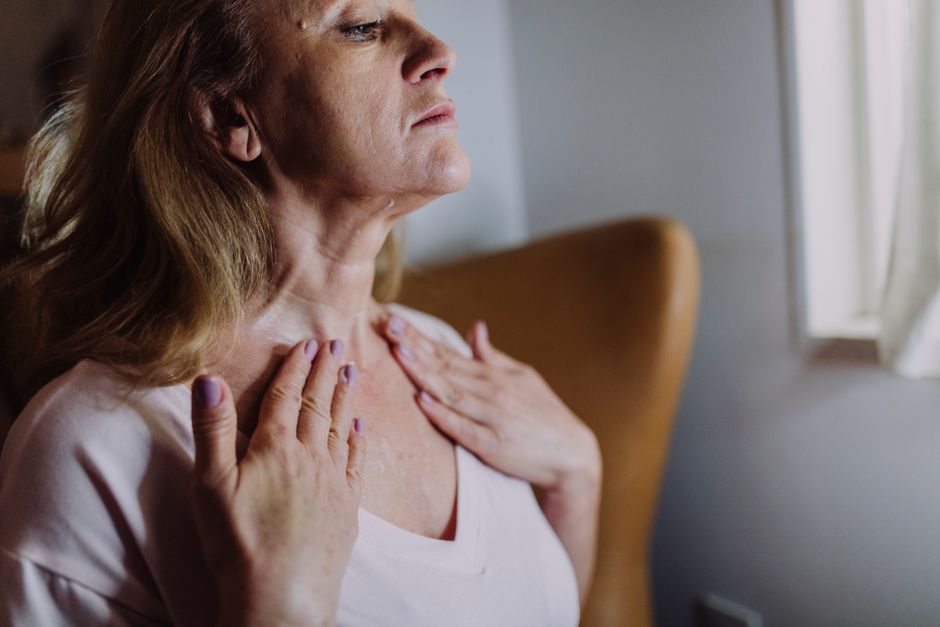
Mature skin is skin that has entered a phase of natural aging, typically becoming more noticeable after age 40. It is defined by visible changes like fine lines, wrinkles, loss of firmness, dryness, and uneven tone. These changes happen because the skin produces less collagen and elastin, and it loses moisture faster than younger skin.
What Is Mature Skin Definition Signs And Causes?
Mature skin is the term dermatologists and skincare researchers use for skin that has passed through its younger, most resilient phase. It is not a medical disease. It is a natural biological stage influenced by both internal and external factors.
The primary internal causes are genetic and chronological. As we age, our cells divide more slowly. The skin’s outer layer, the epidermis, thins. The deeper layer, the dermis, loses collagen and elastin — the proteins that keep skin plump and springy. Oil production drops, which reduces the skin’s natural moisture barrier.
External causes accelerate this process. Sun exposure is the biggest one. Ultraviolet radiation breaks down collagen and elastin fibers over time. This is often called photoaging, and it accounts for most visible aging on the face, neck, and hands. Smoking, poor diet, and repeated facial expressions also contribute.
What Are the First Visible Signs of Mature Skin?
Fine lines are usually the earliest sign. They appear around the eyes, mouth, and forehead. These start as temporary creases and become permanent as collagen loss continues.
Wrinkles follow. Deeper folds, like nasolabial folds (the lines from nose to mouth), become more pronounced. Skin texture changes too. It feels rougher and less smooth because cell turnover slows. Dead skin cells accumulate on the surface instead of shedding quickly.
Loss of firmness is another key sign. The skin sags, especially along the jawline, cheeks, and under the eyes. This is called elastosis. The skin literally loses its ability to snap back into place.
Dryness becomes more common. Fewer oil glands mean less natural lubrication. The skin can feel tight, flaky, or itchy, especially in low-humidity environments. Some people also notice enlarged pores as the skin loses its supportive structure.
Why Does Skin Lose Firmness and Elasticity?
Collagen and elastin are structural proteins. Collagen gives skin its firmness. Elastin gives it the ability to stretch and return to its original shape. Both decline with age.
Research consistently shows that collagen production decreases about 1% per year after your mid-20s. That rate can speed up during certain life stages, particularly in the first years after menopause for women. The drop in estrogen directly affects collagen synthesis.
Elastin degrades differently. It does not decline as steadily, but it becomes damaged and fragmented over time. Sun exposure is the main culprit. Damaged elastin fibers clump together, and the skin loses its bounce. This is why sun-exposed skin ages so much faster than skin that is usually covered.
Gravity plays a role too. Over decades, gravity pulls on the skin’s structural framework. Combined with reduced collagen, the skin gradually shifts downward. This is a normal part of aging, not a sign of poor skincare.





What Role Does Sun Exposure Play in Mature Skin?
Sun exposure is the single largest preventable cause of premature skin aging. Dermatologists often say that up to 90% of visible skin aging is photoaging, though individual results vary. The mechanism is well established.
Ultraviolet A (UVA) rays penetrate deep into the dermis. They generate free radicals — unstable molecules that damage collagen and elastin fibers. Ultraviolet B (UVB) rays damage the outer layers and cause sunburn. Both types contribute to wrinkles, age spots, and loss of elasticity.
The damage is cumulative. Every minute of unprotected sun exposure adds up over a lifetime. This is why the signs of photoaging often appear suddenly in the 40s and 50s, even though the damage started decades earlier.
It is never too late to reduce further damage. Daily sunscreen use, even on cloudy days, slows the progression of aging. Sunscreen cannot reverse damage already done, but it prevents additional breakdown of collagen and elastin.
How Does Mature Skin Differ From Dry Skin?
Mature skin and dry skin overlap, but they are not the same condition. Dry skin is a skin type or temporary state. Mature skin is a stage of aging. You can have oily mature skin. You can also have dry skin at 20.
Mature skin becomes drier because oil production declines. But the structural changes — thinning, sagging, wrinkle formation — are what define it. Dry skin alone does not cause wrinkles. It can make existing wrinkles more visible because dehydrated skin looks less plump.
This distinction matters for skincare. Mature skin needs ingredients that support collagen and barrier function. Dry skin needs humectants and occlusives to trap moisture. Many mature skin routines combine both approaches, but they target different problems.
What Lifestyle Factors Accelerate Skin Aging?
Smoking is one of the most damaging habits for skin. It restricts blood flow to the skin, reducing oxygen and nutrients. It also breaks down collagen. Smokers often develop characteristic wrinkles around the mouth and eyes, sometimes called smoker’s lines.
Diet matters. Diets high in refined sugar and processed foods can accelerate aging through a process called glycation. Sugar molecules bind to collagen fibers, making them stiff and brittle. This is a real biochemical process, though the visible impact varies between individuals.
Sleep is underrated. During deep sleep, the body repairs damaged cells and produces growth hormone, which supports collagen synthesis. Chronic poor sleep is linked to more visible signs of aging, including fine lines and uneven tone.
Stress also plays a role. Stress hormones like cortisol can break down collagen over time. This is not a quick fix issue — it is a long-term pattern. Managing stress helps overall health, and skin health benefits along with it.
Can Mature Skin Be Reversed or Improved?
Mature skin cannot be fully reversed. The structural changes are cumulative and permanent. But it can be improved at every stage. The degree of improvement depends on how much damage has already occurred.
Topical retinoids are the most evidence-supported skincare ingredient for mature skin. They increase cell turnover and stimulate collagen production. Prescription-strength tretinoin has the strongest evidence. Over-the-counter retinol is milder but still effective for many people.
Vitamin C is another well-studied ingredient. It is an antioxidant that neutralizes free radicals and supports collagen synthesis. Some research suggests it can brighten skin tone and reduce the appearance of fine lines, though results vary.
Moisturizers help but do not reverse aging. They temporarily plump the skin by adding water to the outer layers. This makes fine lines look less noticeable, but the effect lasts only as long as the moisturizer is used.
For deeper wrinkles and significant sagging, cosmetic procedures offer more dramatic results. Options include laser resurfacing, chemical peels, microneedling, and injectable fillers. These are medical procedures with real risks and costs. They should be discussed with a board-certified dermatologist, not chosen based on social media trends.
When Should You Start Using Anti-Aging Products?
There is no single correct age to start. The best time is when you notice the first signs you want to address. For many people, that is the late 20s or early 30s. For others, it is the 40s or 50s.
Starting earlier does not prevent aging. It delays the visible signs. Sunscreen is the only product with strong evidence for preventing premature aging. Starting daily sunscreen in your 20s is more effective than any anti-aging serum in your 50s.
If you are already noticing signs of mature skin, it is not too late. Collagen production can still be stimulated with retinoids. The skin remains responsive to treatment throughout life, though results may take longer in older skin.
Frequently Asked Questions
What age does skin become mature?
Skin aging begins in the mid-20s, but mature skin signs typically become visible in the 40s. The exact age varies based on genetics, sun exposure, and lifestyle.
Can mature skin look younger again?
Yes, with consistent skincare and sun protection, mature skin can look noticeably smoother and firmer. Full reversal is not possible, but visible improvement is realistic.
Is mature skin the same as aging skin?
Yes, the terms are used interchangeably. Mature skin is a marketing-friendly way to describe skin that shows age-related changes.
Does drinking water help mature skin?
Hydration helps overall health, but drinking extra water does not directly plump mature skin. The skin’s moisture barrier matters more than internal water intake for visible dryness.
