
Scale rot in reptiles is caused by bacteria that multiply when skin stays wet for too long. The most common culprits are Pseudomonas, Aeromonas, and Proteus species — all of which thrive in damp, dirty environments. Moisture alone does not cause the infection; it creates the conditions that let bacteria already living on the animal’s skin break through its defenses.
That distinction matters. A snake sitting on wet substrate does not automatically develop scale rot. But prolonged wetness softens the outer skin layer, and that softening gives bacteria an opening they would not otherwise have.
What Causes Scale Rot Bacteria Moisture More?
Bacteria are always present on reptile skin. They are part of the normal surface environment and cause no harm when the skin is dry and intact. The problem starts when moisture disrupts that balance.
Reptile skin has an outer layer of scales made of keratin — the same protein in human hair and nails. This layer acts as a barrier. When it stays wet for extended periods, it absorbs water, softens, and becomes more permeable. Bacteria that were harmless on dry skin can now colonize the softened tissue.
Warm, wet conditions accelerate this. Most reptile enclosures are kept at temperatures between 75°F and 95°F depending on the species. Those temperatures are also ideal for bacterial growth. A damp enclosure at 85°F becomes a bacterial incubator within hours.
Three factors combine to cause scale rot:
- Moisture — softens the skin barrier and supports bacterial survival
- Bacteria — already present on the skin, waiting for an opportunity
- Compromised skin — any nick, scrape, or irritation gives bacteria direct entry
Remove any one of these three and the infection is far less likely to take hold. In practice, moisture is the one owners have the most control over.
Why Does Wet Substrate Cause More Problems Than High Humidity?
High humidity and wet substrate are not the same thing. Many tropical species need ambient humidity of 60% to 80% to shed properly and stay healthy. That humidity is necessary. Wet substrate is not.
The difference is contact. Humidity is water vapor in the air. Wet substrate is liquid water pressing directly against the reptile’s belly and scales for hours at a time. The underside of a snake or lizard is where scale rot most often begins — and that is exactly the surface that rests on the substrate.
A reptile can live comfortably in 70% humidity without ever developing scale rot. The same animal sitting on soaked paper towels or waterlogged mulch for several days is at real risk.
This is a non-obvious point that many care guides overlook. Owners sometimes reduce humidity to prevent scale rot and end up causing shedding problems instead. The fix is not lower humidity. The fix is a dry surface to rest on, even when the air is humid.
Which Bacteria Are Most Often Responsible?
Scale rot is usually a mixed bacterial infection, not a single organism. That means multiple species are often involved at once.
The most frequently identified bacteria in reptile skin infections include:
- Pseudomonas aeruginosa — common in water and damp environments
- Aeromonas hydrophila — found in standing water and wet soil
- Proteus species — part of normal gut flora, can contaminate skin through feces
- Citrobacter and Klebsiella — often linked to unsanitary enclosure conditions
These bacteria are opportunistic. They do not actively seek out healthy reptiles. They wait for a breakdown — wet skin, a small wound, a weakened immune system — and then establish themselves.
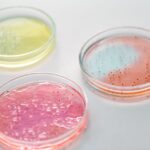
In severe or chronic cases, a veterinarian may take a culture swab to identify exactly which bacteria are involved. This matters because different bacteria respond to different antibiotics. Guessing at treatment without a culture is one reason infections sometimes persist or worsen.



Does Poor Enclosure Hygiene Make Scale Rot More Likely?
Yes. Hygiene directly affects how many bacteria are present on the skin at any given time.
Every enclosure contains bacteria. A clean enclosure has relatively few. A dirty one has many. When substrate is not changed regularly, when water bowls are not cleaned, and when feces are left in the enclosure, bacterial populations climb. Add moisture and the risk rises sharply.
Urine and feces are particularly relevant. They introduce bacteria directly onto surfaces the reptile contacts. A snake that defecates on wet substrate and then rests in that same spot is exposed to a concentrated bacterial load.
Regular cleaning reduces bacterial numbers but does not eliminate them. That is fine — the goal is not sterility. The goal is keeping bacterial populations low enough that the skin barrier can do its job.
What Does Scale Rot Actually Look Like?
Early scale rot appears as discolored scales — often brown, reddish, or dark — usually on the belly or along the lower sides. The affected area may look wet or shiny even when the rest of the animal is dry.
As the infection progresses, scales may lift, crust over, or develop a foul smell. In advanced cases, the skin underneath becomes ulcerated and raw. Blister-like lesions can form.
Scale rot is sometimes confused with a normal shedding cycle or with thermal burns. A few distinctions help:
- Shedding skin looks dull and lifts in sheets — it does not smell or crust
- Thermal burns usually appear on the back or belly where the animal contacted a heat source
- Scale rot typically starts on the belly and spreads outward
If the affected area smells bad, that points strongly toward infection rather than a shedding issue. A veterinarian can confirm the diagnosis and rule out other conditions that look similar.
Can Scale Rot Be Treated at Home?
Mild, early cases are sometimes managed by correcting the environment — drying the enclosure, replacing wet substrate, and keeping the animal on a clean, dry surface. Some keepers report improvement with this approach alone.
But scale rot can progress quickly. Once the skin is ulcerated or the infection has spread, home treatment is not enough. Bacterial skin infections in reptiles can move into deeper tissue and, in serious cases, into the bloodstream.
Veterinary treatment typically involves antibiotics — either topical, injectable, or both — chosen based on the bacteria involved. Some clinicians also recommend diluted antiseptic soaks, though evidence on their effectiveness varies and they should not replace proper veterinary care.
No clinical guidelines exist for treating scale rot at home. Any open wound, foul smell, or spreading discoloration warrants a veterinary visit.
How Do You Prevent Scale Rot?
Prevention comes down to managing moisture and hygiene together. Neither alone is sufficient.
Practical steps include:
- Provide a dry basking area where the reptile can fully dry out
- Keep humidity in the correct range for the species — not higher
- Change substrate regularly and remove waste immediately
- Clean water bowls frequently and replace standing water
- Avoid misting directly onto the substrate or the animal’s resting surface
- Check the belly regularly for early signs of discoloration
The basking area matters more than many owners realize. A reptile that can move between a humid hide and a dry, warm basking spot regulates its own skin moisture. One that lives on constantly damp substrate cannot.
Species that come from arid environments — such as many bearded dragons and leopard geckos — are especially vulnerable to scale rot when kept too wet. Their skin did not evolve for constant moisture.
Frequently Asked Questions
Can scale rot go away on its own?
Mild cases sometimes improve once the enclosure is dried out and kept clean. If the skin is broken, crusted, or smells bad, it will not resolve without veterinary treatment.
Is scale rot contagious to other reptiles?
The bacteria involved can spread between reptiles housed together, especially in shared wet environments. Separating the affected animal and cleaning the enclosure reduces the risk to others.
How fast does scale rot progress?
Progression depends on the bacteria involved, the animal’s health, and how wet the environment stays. Some cases develop over weeks, while others worsen within days once the skin barrier is broken.
Can I use human antibiotics on my reptile?
No. Antibiotics must be matched to the specific bacteria and dosed for the species. Using human medication without veterinary guidance can be ineffective or harmful.
