
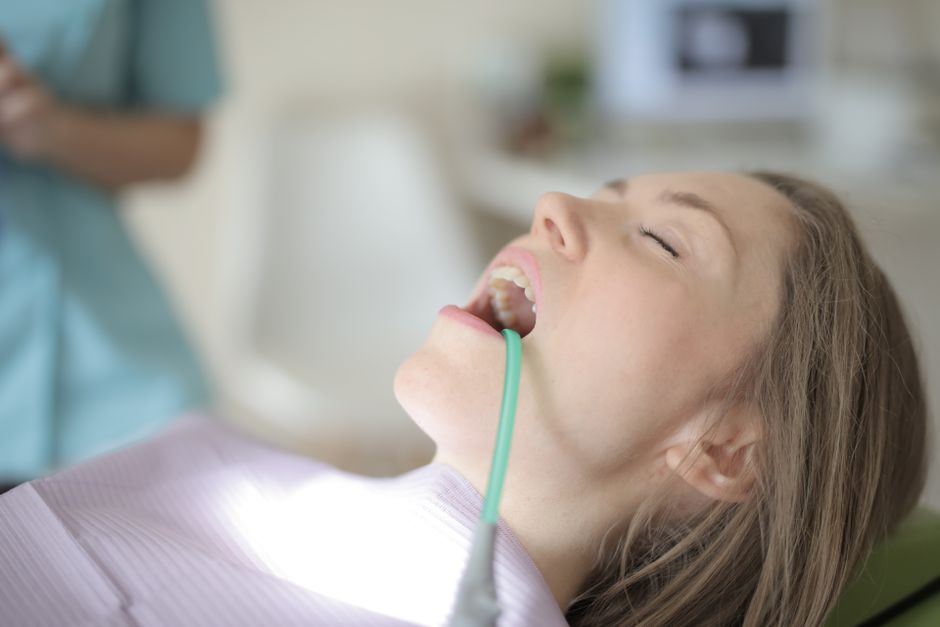
Cavities are caused by bacteria in your mouth that feed on sugar and produce acid, which dissolves tooth enamel over time. It is not the sugar itself that drills the hole. It is the acid those bacteria make after eating the sugar. That single fact explains why snacking frequency matters more than total sugar, why fluoride helps, and why some people get cavities even when they brush.
What Are Cavities Caused By Bacteria Sugar More?
Cavities, also called dental caries, form through a process that needs three things at once: acid-producing bacteria, fermentable carbohydrates, and time.
Your mouth hosts hundreds of bacterial species. A few of them, particularly Streptococcus mutans and Lactobacillus species, convert sugars and cooked starches into acid. That acid lowers the pH at the tooth surface. When pH drops below roughly 5.5, the minerals in enamel — mainly calcium and phosphate — start to dissolve. This is called demineralization.
Saliva normally reverses the damage. It washes away acid, buffers the pH back up, and delivers calcium and phosphate to rebuild the enamel. This is remineralization. A cavity only forms when demineralization outpaces remineralization for long enough that the enamel structure breaks down permanently.
So the real answer is not “sugar” alone. It is the acid cycle, repeated often enough that your saliva never catches up.
Why Does Frequency of Sugar Matter More Than Amount?
Every time you eat fermentable carbohydrate, the bacteria produce acid for roughly 20 to 30 minutes afterward. That window is the key number.
If you eat a large dessert in one sitting, your mouth faces one acid attack. If you sip a sugary drink or nibble crackers over two hours, your mouth faces a continuous acid bath. The total sugar may be similar. The damage is not.
This is why dental researchers focus on “cariogenic exposure” — how often teeth are bathed in acid — rather than grams of sugar per day. A single candy bar eaten quickly is less harmful to teeth than the same candy eaten slowly across an afternoon.
Sticky foods change the math too. Dried fruit, gummy candy, and crackers cling to tooth surfaces and stay in the grooves of molars. Saliva cannot easily rinse them away, so the acid production continues longer.
Are All Sugars and Starches Equally Harmful to Teeth?
Sucrose — table sugar — is the most cariogenic sugar because bacteria use it both as food and as a building block to make sticky plaque. But it is not the only one.
Glucose, fructose, and maltose all feed acid-producing bacteria. So do cooked starches like white bread, pasta, and crackers. Starch is a long chain of glucose molecules, and salivary amylase starts breaking it into sugars the moment you chew.
One nuance worth knowing: the bacteria that cause cavities cannot ferment sugar alcohols like xylitol and sorbitol, or the sweeteners in most sugar-free gum. That is why chewing sugar-free gum after a meal has some evidence behind it for reducing caries risk — it stimulates saliva without feeding the bacteria.



What Role Does Saliva Play in Preventing Cavities?
Saliva is the most underrated defense your teeth have. It does four jobs at once.
- It physically washes food and bacteria off tooth surfaces.
- It contains bicarbonate, which neutralizes acid and raises pH back toward neutral.
- It supplies calcium and phosphate to rebuild demineralized enamel.
- It contains antimicrobial proteins that limit bacterial overgrowth.
When saliva flow drops, cavity risk climbs. This is why dry mouth — from medications, autoimmune conditions like Sjögren’s syndrome, or radiation therapy to the head and neck — is a major risk factor for rapid tooth decay. It also explains why cavities form more readily at night, when saliva production naturally slows and any sugar left on the teeth sits undisturbed for hours.
How Does Plaque Turn Sugar Into Acid?
Plaque is a biofilm — a structured community of bacteria embedded in a sticky matrix they build themselves. It is not just loose food debris. It adheres to teeth and cannot be rinsed off with water.
Inside the biofilm, bacteria metabolize sugars through glycolysis and produce organic acids, primarily lactic acid. Because plaque is a physical barrier, those acids stay trapped against the enamel instead of being diluted by saliva. The pH inside a mature plaque layer can drop well below the critical threshold and stay there.
This is the mechanism behind the well-established fact that brushing and flossing matter more than almost anything else. Removing the biofilm physically disrupts acid production at its source. Fluoride toothpaste adds a second layer of protection by making enamel more resistant to acid and by promoting remineralization with a harder mineral form called fluorapatite.
What Actually Determines Whether You Get a Cavity?
Cavity risk is not one variable. It is a balance between damaging forces and protective ones.
| Increases Risk | Reduces Risk |
|---|---|
| Frequent sugar or starch exposure | Fluoride toothpaste and fluoridated water |
| Dry mouth | Normal saliva flow |
| Poor plaque removal | Twice-daily brushing and daily flossing |
| Deep grooves in molars | Dental sealants on chewing surfaces |
| Acidic drinks like soda and juice | Water as the main drink |
| Frequent snacking | Meals grouped together |
Genetics and oral anatomy also play a role. Some people have naturally deeper pits and fissures in their molars where bacteria collect and toothbrush bristles cannot reach. Others have enamel that is more or less resistant to acid. These are not things you control, which is why two people with similar diets can have very different cavity histories.
Why Doesn’t Everyone With a Sweet Tooth Get Cavities?
Because sugar is necessary but not sufficient. A cavity requires the right bacteria, a susceptible tooth surface, and enough time for acid to win.
Someone with high saliva flow, good oral hygiene, fluoride exposure, and shallow tooth grooves can eat sweets regularly and still avoid decay. Someone with dry mouth, deep grooves, and irregular brushing can develop cavities on a moderate diet. This is why dental advice focuses on the whole picture rather than demonizing any single food.
It also explains why cavities are not a moral failing. They are a biological process with identifiable inputs, and most of those inputs can be changed.
Does Sugar-Free Mean Cavity-Free?
No. Sugar-free does not automatically mean safe for teeth.
Many sugar-free sodas and sports drinks are acidic. They contain phosphoric acid or citric acid, which erode enamel directly without any bacteria involved. This is called dental erosion, and it is a different process from decay, though the two often overlap.
Starchy snacks marketed as healthy — crackers, chips, pretzels — are also fermentable. They break down into sugars in the mouth and feed the same bacteria. Reading “no added sugar” on a label tells you nothing about whether a food will cause acid production.
Can Early Cavities Reverse?
Yes, but only at a specific stage. This is one of the most important things to understand about dental caries.
A white spot lesion — a chalky, opaque patch on the enamel — is demineralized but not yet cavitated. At this point, the enamel surface is still intact. With fluoride, improved hygiene, and reduced sugar frequency, minerals can be redeposited and the lesion can arrest or reverse.
Once the surface breaks and a physical hole forms, it cannot heal on its own. Enamel does not regenerate. At that stage, a dentist must remove the decayed tissue and restore the tooth with a filling. This is why regular dental checkups catch problems at the reversible stage rather than the drilling stage.
Frequently Asked Questions
Is it sugar or bacteria that causes cavities?
Both are required, along with time. Bacteria produce the acid, but they need fermentable carbohydrates like sugar to do it, and the acid must stay on the tooth long enough to dissolve enamel.
Do cavities form overnight or over time?
They form over months or years of repeated acid attacks. A single sugary meal will not create a cavity, but daily acid exposure without enough saliva recovery can break down enamel gradually.
Can brushing alone prevent cavities?
Brushing with fluoride toothpaste removes plaque and strengthens enamel, but it does not fully protect against frequent sugar exposure. Diet frequency, saliva flow, and fluoride all contribute to cavity risk.
Why do some people get cavities even if they rarely eat sugar?
Dry mouth, deep tooth grooves, certain medications, and acid erosion from diet or reflux can all increase cavity risk without high sugar intake. Starchy foods also break down into sugars in the mouth.
