
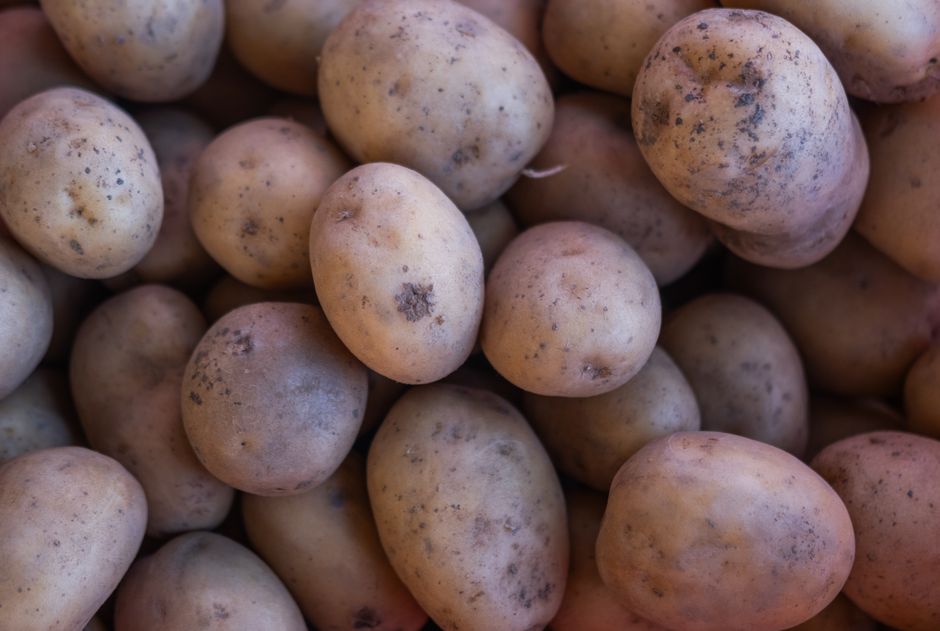
Potato scab is a skin disease of potatoes caused by soil-dwelling bacteria in the genus Streptomyces. The bacteria infect young tubers through natural openings and wounds, triggering rough, corky patches that can range from small spots to deep pits. The pathogen lives in soil for years, so prevention depends far more on managing soil conditions before planting than on treating plants after symptoms appear.
What Causes Potato Scab And How To Prevent It
The cause is infection by Streptomyces scabies and closely related species. These bacteria are not the same organisms that cause human strep infections. They are common in most agricultural soils and survive indefinitely on decaying plant matter.
Infection does not happen through the leaves or stems. It happens underground, when a growing tuber is young and its skin is still forming. The bacteria enter through lenticels, which are the small pores potatoes use for gas exchange, or through tiny wounds from insects, tools, or soil abrasion. Once inside, the bacteria release a toxin called thaxtomin. This compound disrupts normal cell wall formation, and the plant responds by producing the corky, dead tissue that we see as scab.
Because the pathogen is soil-borne and persistent, prevention centers on making the soil environment less favorable for infection during the weeks when tubers are young and vulnerable. The most reliable steps are:
- Keep soil pH between 5.0 and 5.2 for scab-prone varieties. Scab is much more aggressive in neutral to alkaline soil.
- Use certified seed potatoes and rotate away from potatoes for at least three years in the same ground.
- Avoid fresh manure and lime before planting. Both raise pH and can introduce organic matter that supports the bacteria.
- Keep tubers consistently moist during the first few weeks of tuber formation. Dry soil increases scab severity.
- Choose scab-resistant varieties where they are available.
No method eliminates scab completely once the bacteria are established. The goal is reduction, not eradication.
Why Soil pH Is The Single Biggest Factor
Soil pH is the strongest lever a grower has over potato scab. The bacteria that cause scab thrive in neutral to slightly alkaline soil, roughly pH 6.0 to 7.5. In that range, infection is common and severe. Below pH 5.5, the bacteria become much less active, and below about pH 5.2, scab is often minimal.
This is why potato growers historically applied sulfur to acidify soil. Sulfur lowers pH slowly as soil microbes convert it to sulfuric acid. The effect takes months, so it needs to be worked into the soil the season before planting, not at planting time.
There is a trade-off. Potatoes grow best at a pH around 5.8 to 6.5, and very acidic soil can reduce yield and increase the risk of other problems, including certain nutrient deficiencies. Many commercial growers accept a slightly lower yield in exchange for cleaner tubers, while home gardeners often aim for the low end of the potato range, around pH 5.2, when scab has been a recurring issue.
A soil test is the only way to know your actual pH. Guessing usually leads to over- or under-correcting, and correcting pH in the wrong direction can take a full season to reverse.
How Moisture And Soil Temperature Affect Infection
Scab infection happens during a narrow window. Tubers are most vulnerable in the first few weeks after they begin to form, when the skin is thin and actively growing. After that window, the skin thickens and infection becomes much less likely.
Soil moisture during that window matters a great deal. Dry soil is associated with more severe scab. When soil is kept consistently moist, the bacteria are less able to establish infection, partly because moisture affects how the tuber surface develops and partly because the bacteria themselves are less active under wet conditions. This is why growers who irrigate during tuber initiation often see less scab than those who rely on rainfall alone.
Soil temperature also plays a role. Scab tends to be worse when soil is warm and dry during early tuber growth. Cooler, evenly moist soil during that period is less favorable for the bacteria.
The practical takeaway is that the weeks around tuber initiation are the ones that matter. Moisture management after that point has much less effect on scab severity.





Can You Cure Potato Scab Once It Appears?
No. Once scab lesions have formed on a tuber, nothing reverses them. The corky tissue is dead, and the tuber will not heal over it. This is true for both home gardeners and commercial growers.
What you can do is manage the consequences. Scabby potatoes are still safe to eat. The lesions are cosmetic and affect the skin and sometimes the outer flesh, but they do not produce toxins that harm people. You can peel or cut away the affected areas and use the rest of the potato normally.
The real damage from scab is economic and practical. Severely affected potatoes are harder to sell, store poorly because the lesions create entry points for rot organisms, and are less appealing for fresh eating. Storage losses can be significant when scab is severe, because the damaged skin allows secondary infections to take hold.
Some gardeners report that scab severity varies from year to year in the same soil. That variation usually reflects differences in moisture, temperature, and pH rather than any change in the bacteria themselves.
Resistant Varieties And Their Limits
Potato varieties differ in how susceptible they are to scab. Some have thick, russeted skin that resists infection better than thin-skinned types. Russet varieties are generally more resistant than red and white round potatoes, though there is variation within each group.
Resistance is not immunity. A resistant variety grown in heavily infested, alkaline soil can still develop scab, just less of it. Resistance also varies by which Streptomyces species is present, and there are several. A variety that resists one species may not resist another.
For gardeners dealing with persistent scab, combining a more resistant variety with pH management and rotation usually produces the best results. Relying on variety choice alone rarely solves the problem.
Does Crop Rotation Actually Help?
Rotation helps, but it works differently than many people expect. The scab bacteria do not disappear when potatoes are absent. They survive on decaying plant material and can persist in soil for many years. Rotation reduces the buildup of potato-specific pathogen populations and interrupts the cycle, but it does not eliminate the bacteria.
A three-year or longer break between potato crops in the same ground is a common recommendation. This means not planting potatoes, and ideally not planting other highly susceptible crops, in that spot for several seasons. Rotation is most effective when combined with pH management, since the bacteria will still be present regardless of what you plant.
Rotation alone in alkaline soil rarely solves a serious scab problem. It is one tool among several, not a standalone fix.
Common Mistakes That Make Scab Worse
Several common practices increase scab severity, often without the gardener realizing the connection.
- Adding lime to “sweeten” the soil before planting potatoes. Lime raises pH into the range where scab thrives.
- Using fresh manure as a soil amendment. It raises pH and adds organic matter that supports the bacteria.
- Planting potatoes in the same spot year after year, which allows pathogen populations to build up.
- Letting soil dry out during tuber formation, which is when moisture matters most.
- Using saved seed potatoes from a scabby crop. Seed potatoes can carry the bacteria on their surface.
Each of these mistakes is easy to make and easy to correct once you know the mechanism. The underlying theme is that scab is a soil problem, not a plant problem, and soil problems are solved before planting, not after.
Frequently Asked Questions
Is potato scab caused by a fungus or bacteria?
Potato scab is caused by bacteria in the genus Streptomyces, not fungi. The bacteria release a toxin called thaxtomin that triggers the corky lesions.
Are scabby potatoes safe to eat?
Yes. Scab is a cosmetic skin disease and does not produce toxins harmful to people. You can peel or cut away the affected areas and eat the rest.
What soil pH prevents potato scab?
Keeping soil pH between 5.0 and 5.2 greatly reduces scab severity, because the bacteria are much less active in acidic soil. Potatoes grow best around pH 5.8 to 6.5, so there is a trade-off between yield and scab control.
Can you get rid of potato scab bacteria in soil?
No. Once Streptomyces bacteria are established in soil, they cannot be eliminated. Management focuses on reducing infection through pH control, moisture, rotation, and resistant varieties.
