
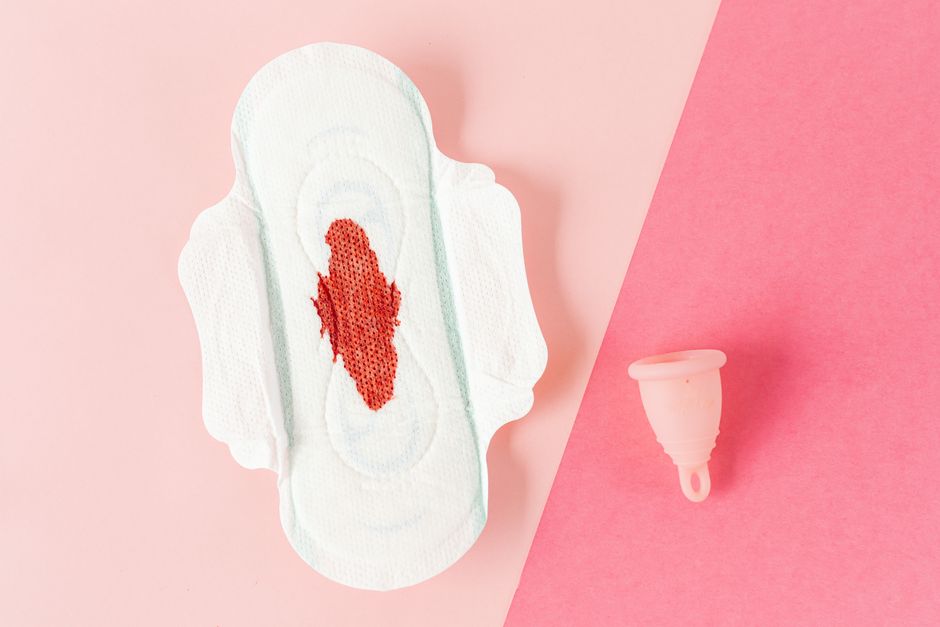
A missed or late period is usually a signal, not a disease on its own. The most common causes of period delay are stress, polycystic ovary syndrome (PCOS), pregnancy, weight changes, thyroid problems, and hormonal shifts around perimenopause. When the cause is stress or PCOS, the underlying issue is the same: the hormone signals that trigger ovulation get disrupted, so the cycle stretches out or skips.
This article explains how each of those causes works, what else can delay a period, and when a delay is worth a conversation with a doctor. It does not cover every rare condition, but it covers the ones that account for the large majority of cases in women between their teens and their mid-50s.
How Does the Menstrual Cycle Normally Work?
A typical menstrual cycle runs about 28 days, but a normal cycle can range from roughly 21 to 35 days in adults. The cycle is controlled by a chain of hormone signals between the brain and the ovaries.
The hypothalamus, a region at the base of the brain, releases gonadotropin-releasing hormone (GnRH). That signal tells the pituitary gland to release follicle-stimulating hormone (FSH) and luteinizing hormone (LH). FSH prompts an egg follicle in the ovary to mature. When that follicle is ready, a surge of LH triggers ovulation — the release of the egg.
After ovulation, the empty follicle becomes a structure called the corpus luteum, which produces progesterone. Progesterone thickens and stabilizes the uterine lining. If pregnancy does not occur, the corpus luteum breaks down, progesterone falls, and the lining sheds as a period.
Any disruption anywhere along that chain — the brain signal, the pituitary, the ovary, or the hormonal feedback loop — can delay or skip ovulation. When ovulation is delayed, the period is delayed too. This is the single most important concept for understanding period delay: a late period usually means late or absent ovulation.
What Causes Period Delay Stress Pcos And More?
Stress and PCOS are two of the most common causes, but they work through different mechanisms. Stress acts through the brain. PCOS acts through the ovaries and hormone balance. Other causes include pregnancy, weight changes, thyroid disorders, and perimenopause.
Stress
Psychological and physical stress can suppress the hypothalamus. When the hypothalamus slows its GnRH signal, the pituitary releases less LH, and ovulation may be delayed or skipped entirely. This is sometimes called hypothalamic amenorrhea when it becomes prolonged.
The stress does not have to be extreme. A demanding work period, poor sleep, grief, or a major life change can be enough to shift timing in some women. Cortisol, the main stress hormone, is part of this picture, but the key disruption is at the level of the brain’s control of the cycle.
PCOS
Polycystic ovary syndrome is a hormonal and metabolic condition that affects roughly 1 in 10 women of reproductive age, according to widely cited estimates. In PCOS, the ovaries often produce higher-than-normal levels of androgens, and insulin resistance is common. This combination disrupts normal follicle development, so ovulation becomes irregular or stops.
PCOS is diagnosed using a set of criteria that generally require at least two of three findings: irregular or absent ovulation, signs of high androgens (such as acne, excess facial or body hair, or elevated blood levels), and polycystic-appearing ovaries on ultrasound. A doctor makes the diagnosis — no single symptom confirms it on its own.
Other common causes
- Pregnancy — the most common reason for a missed period in women of reproductive age who are sexually active.
- Weight changes — significant weight loss, low body fat, or rapid weight gain can all disrupt ovulation.
- Thyroid disorders — both an underactive and an overactive thyroid can affect cycle regularity.
- Perimenopause — the years leading up to menopause often bring irregular cycles as ovarian function declines.
- Medications — some antidepressants, antipsychotics, and hormonal treatments can affect cycles.
- Intense exercise — high training loads, especially combined with low calorie intake, can suppress ovulation.
How Does Stress Actually Delay a Period?
Stress delays a period by interrupting the brain’s signal to the ovaries. The hypothalamus is sensitive to stress hormones and to signals from the body about energy availability and safety. When those signals suggest the body is under strain, the hypothalamus can reduce GnRH output.
Less GnRH means less LH, which means ovulation may not happen on schedule — or may not happen at all that cycle. Without ovulation, progesterone is not produced in the usual way, and the period either comes late or does not come.
This is why a stressful month can push a period back by days or weeks. It is not a sign that something is permanently wrong. For most women, cycles return to normal once the stressor eases. When stress is chronic, though, the disruption can become ongoing, and that is when it is worth investigating.





How Does PCOS Cause Missed or Late Periods?
PCOS causes missed or late periods because ovulation does not happen regularly. In a normal cycle, one follicle matures and releases an egg. In PCOS, follicles often start to develop but stall before ovulation. No egg is released, so the hormonal sequence that leads to a period is disrupted.
Several factors drive this. Higher androgen levels interfere with follicle maturation. Insulin resistance — common in PCOS — raises insulin levels, which in turn can increase ovarian androgen production. The result is a self-reinforcing cycle that keeps ovulation irregular.
Because ovulation is unpredictable, periods in PCOS may be spaced far apart, very light, or absent for months. Some women with PCOS also have heavy bleeding when a period does come, because the uterine lining has built up over a longer-than-usual time without being shed.
One clarification worth making: the “cysts” in polycystic ovary syndrome are not true cysts. They are immature follicles that never completed development. This is a common source of confusion, and it matters because it explains why the condition is about ovulation, not about cysts in the usual sense.
What Else Can Delay a Period?
Pregnancy is the first thing to rule out for any sexually active woman of reproductive age with a missed period. A home urine test is generally accurate once a period is late, though testing too early can give a false negative.
Beyond pregnancy, several other factors commonly shift cycle timing:
- Weight and energy balance — both very low body weight and obesity can disrupt ovulation, though through different mechanisms.
- Thyroid dysfunction — hypothyroidism and hyperthyroidism can both cause irregular cycles.
- Elevated prolactin — high levels of this pituitary hormone can suppress ovulation.
- Perimenopause — cycle length often becomes variable before periods stop entirely.
- Recent hormonal contraception — cycles can take weeks or months to return after stopping the pill, implant, or injection.
- Illness or surgery — a significant physical stressor can delay a cycle.
- Travel and time zone changes — for some women, these shift cycle timing.
Many of these overlap. A woman can have mild PCOS and a stressful month at the same time, and both can contribute to the same late period.
When Should a Delayed Period Be Checked by a Doctor?
A single late period is usually not a reason for concern, especially if there is an obvious explanation like stress, illness, or a recent change in routine. The picture changes when delays become a pattern.
It is reasonable to see a doctor if:
- Periods are consistently more than 35 days apart.
- Three or more consecutive periods have been missed and pregnancy has been ruled out.
- Periods stop for 90 days or longer without pregnancy.
- There are signs of high androgens, such as new facial hair growth, severe acne, or voice changes.
- There are symptoms of thyroid problems, such as fatigue, weight change, or feeling unusually cold or hot.
- There is bleeding between periods or after sex.
- A woman is trying to conceive and cycles are irregular.
These thresholds come from general clinical guidance on evaluating menstrual irregularities. They are not a diagnosis, and they are not a substitute for a doctor’s assessment. They are a reasonable guide for when a delay is worth a conversation rather than a wait-and-see approach.
How Are Period Delays Evaluated?
Evaluation usually starts with a medical history and a physical exam. A doctor will ask about cycle patterns, stress, weight changes, exercise, medications, and symptoms like acne or hair growth.
Common tests include:
- A pregnancy test.
- Thyroid function tests.
- Prolactin level.
- Hormone panels, which may include FSH, LH, estradiol, and androgens.
- Blood glucose and insulin measures, especially if PCOS is suspected.
- An ultrasound of the ovaries and uterus in some cases.
Which tests are ordered depends on the individual. There is no single test that identifies the cause of every delayed period, and sometimes the cause is never pinpointed with certainty. That is a normal outcome, not a failure of the process.
What Does Treatment Look Like?
Treatment depends entirely on the cause. For stress-related delays, the focus is usually on sleep, stress management, and restoring regular eating and activity patterns. For PCOS, treatment may include lifestyle changes, medications to regulate cycles or lower androgens, and management of insulin resistance.
For thyroid disorders, treating the underlying thyroid problem often restores cycle regularity. For perimenopause, the goal is usually managing symptoms rather than restoring a fixed cycle.
It is worth being clear that no single treatment works for every cause. What helps a stress-related delay will not help PCOS, and what helps PCOS will not help a thyroid problem. This is why identifying the cause matters more than reaching for a general fix.
Can Period Delays Be Prevented?
Some causes can be reduced in their impact, but not all causes can be prevented. PCOS is a chronic condition that cannot be prevented, though its symptoms can be managed. Perimenopause is a normal life stage, not a preventable event.
What can help in some cases is supporting the basics the body uses to regulate cycles:
- Consistent sleep and reasonable stress management.
- Adequate calorie and nutrient intake, especially if exercise is high.
- Keeping weight in a range that supports normal ovulation, when that is achievable without extreme measures.
- Managing thyroid conditions and other chronic health issues with a doctor.
These steps support normal function. They do not guarantee regular cycles, and they should not be framed as a cure for any specific condition.
Frequently Asked Questions
How late can a period be before it is a concern?
A period that is more than 35 days from the start of the last one is generally considered late enough to evaluate. Three or more missed periods in a row, or no period for 90 days, is a clearer reason to see a doctor.
Can stress alone cause a missed period?
Yes. Stress can suppress the brain signal that triggers ovulation, which delays or skips a period. This is more likely when stress is intense or ongoing rather than a single stressful day.
How do I know if my late period is from stress or PCOS?
Stress-related delays usually follow a clear stressful period and resolve when it eases, while PCOS tends to cause ongoing irregular cycles along with signs like acne or excess hair growth. Only a doctor can confirm which is responsible.
Does a late period always mean pregnancy?
No. Pregnancy is the most common cause in sexually active women of reproductive age, but stress, PCOS, thyroid problems, weight changes, and perimenopause can all delay a period without pregnancy.
