
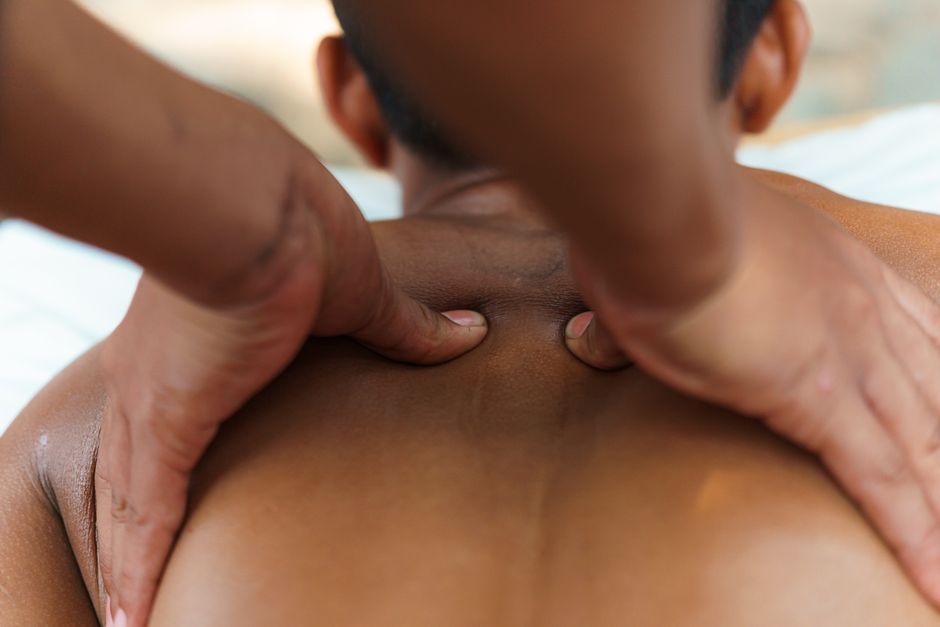
Physical stress is the strain your body feels when it has to adapt to demands placed on it. This can come from intense exercise, heavy lifting, injury, illness, or even poor posture and repetitive motion. When your body faces these demands, it releases hormones like cortisol and adrenaline, which change how your heart, muscles, and immune system work. Understanding physical stress matters because it affects everything from your energy levels to your long-term health, and not all stress is bad for you.
What Is Physical Stress How It Affects Your Body
Physical stress is a biological response, not just a feeling. Your body treats physical demands as a signal to adapt. When you lift something heavy or run a mile, your muscles experience microscopic damage. Your heart pumps faster. Your lungs work harder. Your body releases stress hormones to manage the immediate demand.
This response is called the general adaptation syndrome, a concept first described by endocrinologist Hans Selye in the 1930s. It has three stages: alarm, resistance, and exhaustion. In the alarm stage, your body mobilizes energy. In the resistance stage, it repairs and builds. In the exhaustion stage, it breaks down if the stress never stops.
The key point is that physical stress is not automatically harmful. It depends on the dose and the recovery time between stressful events. Acute physical stress — a single workout, a day of physical labor — is normal and often beneficial. Chronic physical stress — months of overtraining, constant poor posture, or ongoing illness — is where problems begin.
What Happens Inside Your Body During Physical Stress
When physical stress begins, your nervous system activates the fight-or-flight response. Your adrenal glands release adrenaline and cortisol. Adrenaline increases your heart rate and blood pressure. Cortisol raises blood sugar so your muscles have fuel to work.
Your cardiovascular system responds quickly. Blood flow increases to the muscles that need it most. Your breathing rate rises to bring in more oxygen. Your muscles contract with more force. These changes are immediate and automatic — you do not control them consciously.
At the cellular level, physical stress triggers inflammation. This sounds bad, but it is actually part of the repair process. When muscle fibers tear during exercise, immune cells move in to clean up damage. This inflammation is what makes muscles sore after a hard workout. It is also what triggers the body to rebuild stronger tissue.
The problem occurs when inflammation never resolves. Chronic physical stress keeps the inflammatory response switched on. Over time, this can contribute to issues like joint pain, digestive problems, and weakened immunity. The body was designed for cycles of stress and recovery, not constant strain.
Signs Your Body Is Under Too Much Physical Stress
Your body gives clear signals when physical stress exceeds what it can handle. Recognizing these signs early can prevent more serious problems.
Common signs of excessive physical stress include:
- Persistent fatigue that does not improve with rest
- Sleep problems, including trouble falling or staying asleep
- Frequent illnesses or slow recovery from minor infections
- Increased resting heart rate
- Persistent muscle soreness or joint pain
- Mood changes, including irritability or anxiety
- Decreased performance in workouts or daily tasks
- Digestive issues like nausea or loss of appetite
These symptoms overlap with many medical conditions. If you experience several of them for weeks, it is worth discussing with a healthcare provider. They can help determine whether physical stress, an underlying condition, or both are responsible.
One important distinction is between physical stress and overtraining syndrome. Overtraining syndrome is a specific condition that affects athletes who train too hard without enough recovery. It involves prolonged performance decline and hormonal changes. But you do not need to be an athlete to experience chronic physical stress. A demanding physical job, caring for a family member, or ongoing poor sleep can produce the same effect.



How Physical Stress Differs From Mental Stress
Physical and mental stress share some biology but are not the same thing. Both activate the stress response and release cortisol. Both can affect sleep and mood. But they come from different sources and affect the body differently.
Mental stress originates in your thoughts and emotions. Your brain perceives a threat — a deadline, a conflict, financial worry — and activates the same stress hormones as physical danger. The difference is that mental stress often lingers because the “threat” is not something your body can physically resolve by fighting or running.
Physical stress originates in the body itself. Exercise, injury, illness, and physical labor all create direct demands on your tissues and organs. The body’s response is more localized. Your muscles, heart, and lungs respond to the specific physical challenge.
The two types of stress interact. Chronic mental stress can make your body more sensitive to physical stress. People under high psychological stress often feel more sore after exercise and recover more slowly. Conversely, regular physical activity is one of the most effective ways to reduce mental stress. Exercise burns off stress hormones and triggers the release of endorphins, which improve mood.
Can Physical Stress Be Beneficial
Yes, and this is where the conversation usually goes wrong. Physical stress is not your enemy. It is the stimulus your body needs to grow stronger.
When you lift weights, you create controlled physical stress on your muscles. Your body responds by building more muscle tissue. When you run, you stress your cardiovascular system. Your heart and lungs adapt to become more efficient. This process is called hormesis — the idea that small amounts of stress make you more resilient.
Bone health works the same way. Weight-bearing exercise creates physical stress on bones. Bone cells respond by increasing density. This is why regular exercise is one of the best defenses against osteoporosis later in life.
The key is the recovery period. Your body does not build muscle during the workout. It builds muscle during the rest that follows. Without adequate recovery time, the stress accumulates faster than your body can adapt. You stop improving and start breaking down.
This is why rest days matter. This is why sleep is essential. This is why nutrition matters for recovery. The stress itself is necessary, but so is the recovery.
How to Manage Physical Stress Effectively
Managing physical stress is about balancing demands with recovery. You cannot eliminate all physical stress, and you should not want to. The goal is to keep stress within a range your body can handle.
Recovery is the most important tool. Sleep is when your body does most of its repair work. Most adults need seven to nine hours per night. During deep sleep, growth hormone is released, which supports tissue repair. Skipping sleep while under physical stress is like trying to fill a bathtub without plugging the drain.
Active recovery also helps. Light walking, stretching, or gentle yoga on rest days promotes blood flow without adding significant stress. This can reduce soreness and speed recovery. The key is keeping the intensity low enough that it does not add to your stress load.
Nutrition supports recovery. Protein provides the building blocks for muscle repair. Carbohydrates replenish the energy stores your muscles use during activity. Adequate hydration is necessary for every cellular process involved in recovery. There is no magic supplement that replaces these basics.
Gradual progression prevents overload. Whether you are starting an exercise program or increasing your workload, small increases over time allow your body to adapt. Sudden dramatic increases in physical demand are a common cause of injury and excessive stress.
When to Seek Medical Help for Physical Stress
Most physical stress resolves with rest and recovery. But some situations require medical attention.
Seek medical care if you experience chest pain, shortness of breath, or fainting during physical activity. These can be signs of a heart problem, not just normal stress. Do not assume these symptoms are from being out of shape.
Seek help if fatigue is persistent and unexplained. Chronic fatigue can indicate conditions like anemia, thyroid problems, or other medical issues that have nothing to do with your activity level. A blood test can identify many of these.
Seek help if you have a sudden injury with severe pain, swelling, or loss of function. You may have a fracture, ligament tear, or other damage that needs specific treatment. Pushing through this type of pain can make the injury worse.
Finally, seek help if you suspect you have overtraining syndrome. This condition is real and can take months to recover from. A healthcare provider can help you rule out other causes and develop a plan for returning to activity safely.
Frequently Asked Questions
What is the difference between physical stress and mental stress?
Physical stress comes from actual demands on your body, like exercise, injury, or physical labor. Mental stress comes from psychological factors like work pressure or relationship issues, though both activate similar stress hormones.
How long does it take to recover from physical stress?
Recovery time depends on the intensity of the stress and your baseline fitness. A single hard workout may require 24 to 72 hours of recovery, while chronic physical stress may take weeks or months of reduced activity to resolve.
Can physical stress cause weight gain?
Chronic physical stress can contribute to weight gain through elevated cortisol levels, which can increase appetite and promote fat storage around the abdomen. However, regular moderate exercise typically helps with weight management.
Is it safe to exercise when you feel physically stressed?
Light to moderate activity is usually safe and can help you feel better. But intense exercise during periods of high physical stress can add to your load and slow recovery. Listen to your body and reduce intensity when you feel exhausted.
