
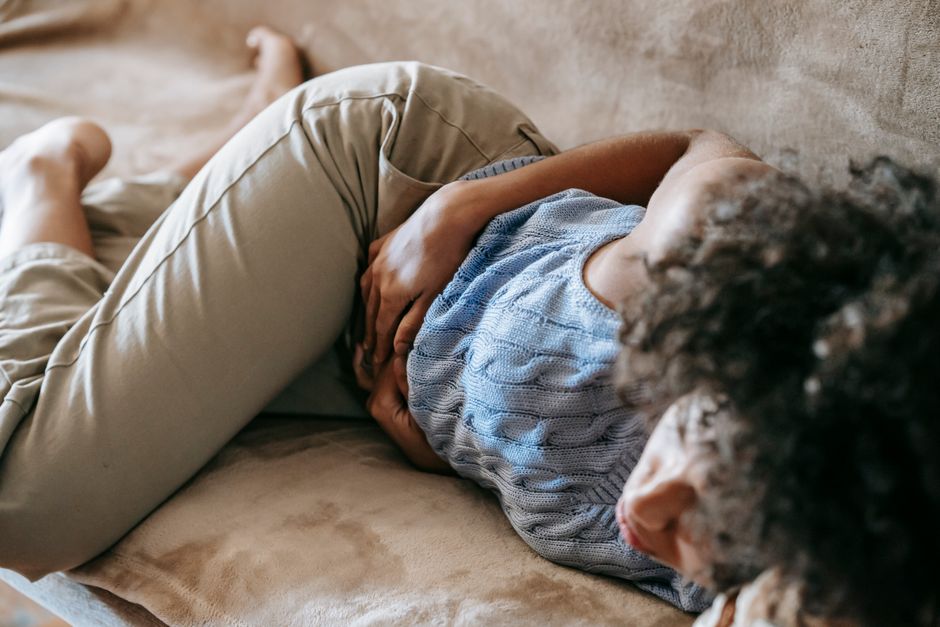
Pelvic pain and lower back pain often show up together, and that is not a coincidence. The pelvis and the lower spine are connected by muscles, ligaments, and nerves that work as one system. When something goes wrong in one area, the other often feels it too. The most common causes include muscle strain, joint dysfunction, pregnancy-related changes, and conditions affecting the organs inside the pelvis. Understanding the source matters because treatment depends entirely on what is actually causing the pain.
What Causes Pelvic Pain And Lower Back Pain?
The causes fall into three main groups: musculoskeletal, gynecological or urological, and digestive. Musculoskeletal causes are the most common. They involve the muscles, ligaments, and joints that support the spine and pelvis.
Sacroiliac joint dysfunction is a frequent culprit. The sacroiliac joints connect the base of the spine to the pelvis. When these joints move too much or too little, pain can radiate into the lower back, buttocks, and pelvic area. Muscle strain from weak core muscles or poor lifting mechanics can also produce pain in both regions simultaneously.
Nerve-related causes matter too. The sciatic nerve runs from the lower spine through the pelvis and down the legs. A herniated disc or spinal stenosis can irritate this nerve, causing pain that feels like it comes from the pelvis when it actually originates in the spine.
How Do Gynecological Conditions Cause Pelvic And Back Pain?
For women, reproductive organs are a common source of combined pelvic and back pain. Endometriosis is one of the most frequently discussed conditions. In endometriosis, tissue similar to the uterine lining grows outside the uterus. This tissue responds to hormonal changes and can cause inflammation, scarring, and pain that radiates from the pelvis into the lower back.
Uterine fibroids are another consideration. These noncancerous growths in the uterus can cause pressure, heavy bleeding, and pain. Large fibroids may press on surrounding structures, producing back pain alongside pelvic discomfort.
Pelvic inflammatory disease (PID) is an infection of the female reproductive organs. It typically causes pain in the lower abdomen and pelvis, but the discomfort can extend to the lower back. PID requires medical treatment with antibiotics, so persistent pain with fever or unusual discharge warrants prompt evaluation.
Ovarian cysts can also cause pain, particularly if they rupture or twist. The pain is often sudden and sharp on one side, but it can spread to the lower back. Most cysts resolve on their own, but larger or persistent ones may need intervention.
Can Pregnancy Cause Pelvic And Lower Back Pain?
Yes, pregnancy is one of the most common reasons women experience this combination of pain. The body produces relaxin during pregnancy, a hormone that loosens ligaments in preparation for childbirth. This loosening affects the pelvic joints and can make them less stable, leading to pain with movement or weight-bearing.
As the baby grows, the center of gravity shifts forward. The lower back muscles must work harder to maintain posture, which frequently causes muscle fatigue and pain. Round ligament pain, which feels like a sharp pull on one side of the lower abdomen, is also common and can radiate toward the back.
Pelvic girdle pain affects a significant number of pregnant women. It involves pain around the pubic bone, the sacroiliac joints, or both. The pain often worsens with walking, climbing stairs, or turning in bed. This condition typically resolves after delivery but can be very uncomfortable during pregnancy.




What Digestive And Urinary Conditions Play A Role?
The organs in the pelvis are not limited to reproductive structures. The bladder, ureters, and parts of the bowel sit within the pelvic cavity. Conditions affecting these organs can produce pain that extends into the lower back.
Kidney stones are a classic example. A stone lodged in the ureter can cause severe pain that radiates from the flank into the lower abdomen and groin. The pain often comes in waves and may be accompanied by blood in the urine or nausea.
Urinary tract infections can cause pelvic pressure and discomfort. When the infection reaches the kidneys, back pain becomes more prominent. Fever, chills, and pain with urination are warning signs that the infection may have spread upward.
Irritable bowel syndrome (IBS) and constipation can also produce pelvic and back pain. The bowel sits close to the pelvic structures, and significant gas or stool buildup can create pressure that radiates into the back. Constipation is an underappreciated cause of pelvic pain, particularly in older adults.
Diverticulitis, an inflammation of small pouches in the colon, typically causes left-sided abdominal pain but can radiate to the back. This condition requires medical evaluation, especially if accompanied by fever or changes in bowel habits.
When Should You See A Doctor For Pelvic And Back Pain?
Not all pelvic and back pain requires immediate medical attention. Muscle strain often improves with rest, gentle stretching, and over-the-counter pain relievers. But certain symptoms warrant prompt evaluation.
Seek medical care if the pain is severe, sudden, or worsening. Fever, chills, nausea, or vomiting alongside the pain requires evaluation. Pain during urination, blood in the urine, or unusual vaginal discharge are also reasons to see a clinician.
For women, pain that occurs with menstruation, intercourse, or bowel movements deserves attention. These patterns can point to endometriosis or other gynecological conditions that benefit from early diagnosis.
Pain that wakes you from sleep, pain that does not improve with rest, or pain accompanied by leg weakness or numbness should not be ignored. These symptoms can indicate nerve compression or other conditions that need specific treatment.
What Are The Treatment Options For Pelvic And Back Pain?
Treatment depends on the underlying cause. There is no single remedy that works for every type of pelvic and back pain.
For musculoskeletal causes, physical therapy is often the first-line treatment. A physical therapist can identify muscle imbalances, strengthen the core, and improve joint mobility. Manual therapy and targeted exercises have good evidence for sacroiliac joint dysfunction and muscle strain.
Nonsteroidal anti-inflammatory drugs (NSAIDs) like ibuprofen can reduce pain and inflammation for short-term use. Heat and cold therapy can provide temporary relief. Heat relaxes tight muscles, while cold reduces acute inflammation.
For gynecological causes, hormonal treatments such as birth control pills can help manage endometriosis pain. Surgical options exist for fibroids and severe endometriosis. The choice depends on the individual’s symptoms, fertility goals, and response to conservative treatment.
For digestive causes, dietary changes and fiber supplements can relieve constipation-related pain. Kidney stones often pass on their own with adequate hydration, but larger stones may require medical procedures.
In all cases, addressing the root cause is more effective than simply masking the pain. A thorough evaluation by a healthcare provider is the first step toward effective treatment.
Frequently Asked Questions
Can pelvic pain cause lower back pain?
Yes, pelvic pain can radiate to the lower back because the pelvic and spinal structures share nerves and connective tissue. Conditions like sacroiliac joint dysfunction or endometriosis often produce pain in both regions.
What does pelvic pain from endometriosis feel like?
Endometriosis pain is often described as severe cramping that worsens during menstruation. The pain can be sharp, stabbing, or a deep ache that spreads into the lower back and thighs.
Is lower back pain a sign of pregnancy?
Lower back pain is common in pregnancy, especially in the second and third trimesters. Hormonal changes and the shifting center of gravity both contribute to back strain.
When should I worry about pelvic and back pain?
See a doctor if the pain is severe, sudden, or accompanied by fever, vomiting, or bleeding. Pain that interferes with daily activities or does not improve with rest also deserves medical evaluation.
