
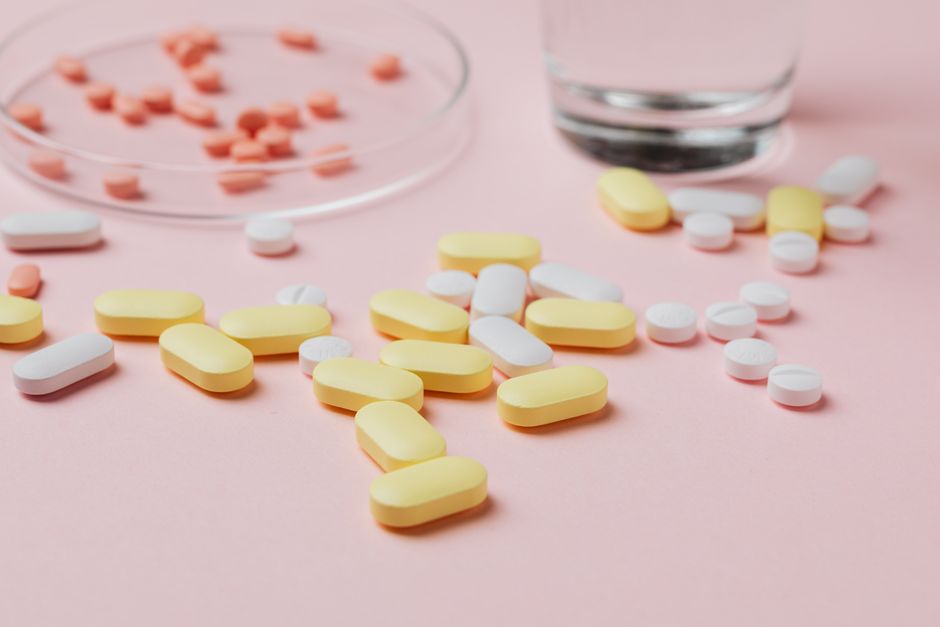
The lowest available dose of estrogen for menopause is typically 0.3 milligrams of conjugated equine estrogen (CEE) or 0.5 milligrams of estradiol (17β-estradiol) taken orally each day. For transdermal patches, the lowest dose is 0.025 milligrams per day (25 micrograms per 24 hours). These are the standard starting doses prescribed for managing menopause symptoms like hot flashes and night sweats. The goal is always to use the smallest effective dose for the shortest time needed.
What Is The Lowest Dose Of Estrogen For Menopause and How Is It Measured?
Estrogen doses are measured in micrograms (mcg) or milligrams (mg). A microgram is one-thousandth of a milligram. The lowest oral dose of estradiol, which is the same type of estrogen your body makes, is 0.5 mg daily. The lowest dose of conjugated equine estrogen, a mix of estrogens from horse urine, is 0.3 mg daily.
For people using patches, the lowest dose is 25 mcg (0.025 mg) released over 24 hours. Vaginal creams, rings, and tablets deliver even smaller amounts directly to vaginal tissue. Those doses are measured differently and are much lower than systemic doses because the estrogen stays mostly local.
The form you choose affects what “low dose” means. Oral doses pass through your liver first, which changes how much reaches your bloodstream. Transdermal patches bypass the liver, so a lower patch dose can have similar effects to a higher oral dose. This is a key distinction many people miss.
What Is the Difference Between Low Dose and Ultra-Low Dose Estrogen?
Low-dose estrogen therapy uses the standard minimums: 0.3 mg CEE, 0.5 mg oral estradiol, or 25 mcg patch. Ultra-low dose refers to even smaller amounts, such as 0.25 mg oral estradiol or 14 mcg patches. These ultra-low doses are not standard for symptom relief.
Research published in Menopause, the journal of the North American Menopause Society, found that ultra-low doses may not reduce hot flashes as effectively as low doses. They do have a place for people who cannot tolerate standard doses or who only need bone protection without treating hot flashes. The trade-off is clear: less estrogen means less symptom control.
Some people report that ultra-low doses still help their sleep or mood, but strong evidence is limited. If symptom relief is your main goal, low dose is usually more reliable than ultra-low dose.
Does the Lowest Dose of Estrogen Actually Work for Hot Flashes?
Yes, for most people. Studies have found that 0.3 mg of CEE reduces hot flash frequency by about 50 to 70 percent. The standard 0.625 mg dose of CEE reduces hot flashes by about 80 to 90 percent. So the lowest dose works, but not as strongly as higher doses.
The same pattern holds for estradiol. A 0.5 mg oral dose or 25 mcg patch reduces hot flashes significantly for most women. Some people need to increase to 0.75 mg or 1 mg oral estradiol, or a 50 mcg patch, to get full relief. The rule is to start low and increase only if needed.
Response time matters too. Most people see improvement within two to four weeks. If you have no change after six weeks, the dose is likely too low for your body. That does not mean hormone therapy failed — it means you need a higher dose.





What Are the Risks of the Lowest Dose of Estrogen?
All estrogen therapy carries some risk, but lower doses reduce those risks. The Women’s Health Initiative study, a major clinical trial from the National Institutes of Health, found that standard-dose estrogen plus progestin increased risks of blood clots, stroke, and breast cancer. However, those risks were much smaller with estrogen alone, and lower doses were not studied in that trial.
More recent research suggests that low-dose estrogen therapy has a better safety profile. A 2020 review in Climacteric found that low-dose transdermal estradiol has minimal impact on blood clotting and triglycerides. The risk of deep vein thrombosis appears to be lower with patches than with oral estrogen.
For breast cancer risk, the evidence is less clear. Some studies suggest that low-dose estrogen for less than five years does not significantly increase risk. The North American Menopause Society states that the absolute risk for women under 60 is small. But risk does exist, and it increases with longer use.
Your personal risk depends on your medical history. Women with a history of breast cancer, blood clots, or liver disease should not use systemic estrogen. The lowest dose does not change those contraindications.
How Do You Know If the Lowest Dose Is Right for You?
Your doctor will consider your symptoms, age, and health history. The lowest dose is typically recommended for women who are within 10 years of menopause onset. Starting estrogen later or more than 10 years after menopause increases risks, especially for heart disease and stroke.
The goal is symptom relief with the least medication. If your hot flashes are mild to moderate, the lowest dose may be enough. If they are severe — waking you up multiple times a night, soaking through clothes — a standard or higher dose is more appropriate.
Doctors also consider whether you need a progestin. If you still have a uterus, estrogen alone increases the risk of endometrial cancer. You need a progestin or progesterone to protect the uterine lining. The lowest dose of estrogen still requires this if you have a uterus.
For vaginal symptoms like dryness or pain with sex, low-dose vaginal estrogen is an option. It uses much smaller doses — 10 mcg tablets or 25 mcg rings — that do not enter the bloodstream significantly. This is the safest form of estrogen therapy and does not require progestin.
What Does Research on Low-Dose Estrogen Show About Long-Term Use?
The FDA recommends using the lowest effective dose for the shortest time possible. But “shortest time” is not defined precisely. Many women use estrogen for two to five years. Some need it longer.
Long-term use of low-dose estrogen has been studied primarily for bone health. A study in the New England Journal of Medicine found that low-dose estrogen (0.3 mg CEE) combined with calcium and vitamin D improved bone density in postmenopausal women. This effect was seen even at doses that did not fully control hot flashes.
For heart health, the picture is mixed. Low-dose estrogen started near menopause may reduce cardiovascular risk. Started later, it may increase risk. The timing hypothesis, supported by the Kronos Early Estrogen Prevention Study (KEEPS), suggests that starting estrogen early — within six years of menopause — is safer than starting late.
The National Institutes of Health is still studying these questions. As of 2026, there is no consensus on the ideal duration of low-dose estrogen therapy. Decisions are made on a case-by-case basis.
Are There Alternatives to the Lowest Dose of Estrogen?
Yes. Non-hormonal options exist for people who cannot or choose not to take estrogen. These include selective serotonin reuptake inhibitors (SSRIs) like paroxetine, which is FDA-approved for hot flashes. Gabapentin, a seizure medication, also reduces hot flashes in some women.
Lifestyle changes help too. Keeping your bedroom cool, dressing in layers, avoiding spicy foods and alcohol, and using a fan can reduce hot flash frequency. But these measures are less effective than estrogen for moderate to severe symptoms.
Some people report that herbal supplements like black cohosh or soy isoflavones help. This is widely claimed though strong evidence is limited. The National Center for Complementary and Integrative Health reports that black cohosh has not been consistently shown to reduce hot flashes in well-designed studies. Soy isoflavones may help slightly, but effects are modest.
If you choose a non-hormonal route, discuss it with your doctor. Some supplements interact with medications. And none have the bone-protective effects of estrogen.
Frequently Asked Questions
What is the lowest dose of estrogen patch available?
The lowest dose estrogen patch releases 25 micrograms (0.025 mg) of estradiol per day. Some brands offer a 14 mcg patch, which is considered ultra-low dose.
Can the lowest dose of estrogen cause weight gain?
Research does not show that low-dose estrogen therapy causes significant weight gain. Some women report bloating or fluid retention, but this is usually temporary.
How long does it take for the lowest dose of estrogen to work?
Most women notice improvement in hot flashes within two to four weeks. Full symptom relief may take six to eight weeks at the lowest dose.
Is the lowest dose of estrogen safe for long-term use?
The FDA recommends using the lowest effective dose for the shortest time needed. Long-term safety data for low-dose estrogen is still being studied, but current evidence suggests it is safer than standard doses for most women under 60.
