
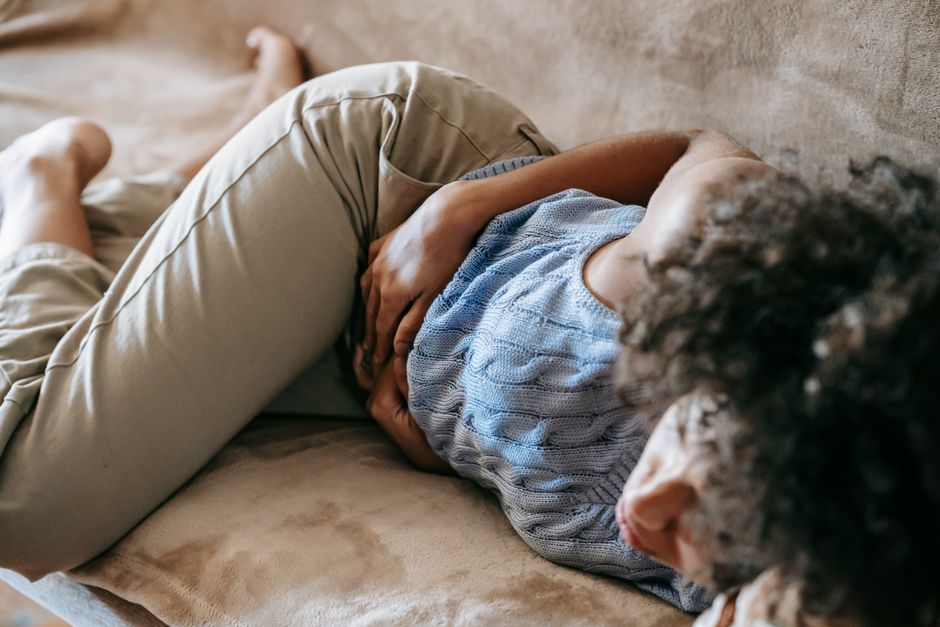
Pain in the right back that worsens with a deep breath is often tied to the muscles, ribs, or the lining around the lungs. The most common causes are muscle strain, a bruised or irritated rib, or inflammation of the lining around the lung called pleurisy. However, because the right upper back sits near the liver and gallbladder, pain in that area can also point to those organs. The key is to pay attention to what makes it worse and whether you have other symptoms like fever or nausea.
What Causes Pain In The Right Back When Breathing?
The right side of your back contains a mix of structures that can produce pain when you breathe. Your diaphragm moves down with each breath. Your ribs expand. Your lungs inflate. Any of these moving parts can irritate a nearby nerve, muscle, or organ.
Pain that appears only when you inhale deeply is called pleuritic pain. That name comes from the pleura, the thin membrane that wraps around your lungs and lines the inside of your chest cavity. When that membrane becomes inflamed, every breath rubs the two layers together. That friction creates a sharp, stabbing pain.
But the pleura is not the only possible source. The muscles between your ribs, called intercostal muscles, can strain. The cartilage where your ribs attach to your breastbone can become inflamed. And the organs tucked under your right rib cage — the liver, gallbladder, and right kidney — can refer pain to your back when they are irritated.
Is It a Muscle Strain or Something Else?
Muscle strain is the most common cause of back pain that worsens with breathing. The intercostal muscles sit between each rib. They help expand and compress your chest as you breathe. If you twist awkwardly, lift something heavy, or cough violently, you can strain one of these muscles.
The pain from a strained muscle is usually dull and achy at rest but sharp when you take a deep breath, twist, or bend. Pressing on the exact spot often reproduces the pain. Muscle strain typically improves over a few days to a couple of weeks with rest, gentle stretching, and over-the-counter anti-inflammatory medication.
Costochondritis is a related condition. This is inflammation of the cartilage that connects your ribs to your sternum. It can cause sharp chest and back pain that worsens with deep breathing or pressing on the area. It is not dangerous, but it can be uncomfortable for weeks.
When the Lining Around the Lung Is the Problem
Pleurisy, also called pleuritis, is inflammation of the pleura. When this membrane is inflamed, breathing becomes painful because the two layers rub against each other. The pain is typically sharp and sudden. It gets worse with a deep breath, a cough, or a sneeze.
Pleurisy on the right side can be felt in the right back, especially if the inflammation is near the back part of the lung. Viral infections are the most common trigger. Bacterial pneumonia can also cause it. Less commonly, pleurisy can result from autoimmune conditions like lupus or rheumatoid arthritis, or from a blood clot in the lung.
A pulmonary embolism — a blood clot traveling to the lung — is a serious cause of pleuritic pain. It usually comes with sudden shortness of breath and a rapid heart rate. If you have these symptoms together, seek emergency care immediately.





Can the Liver or Gallbladder Cause Back Pain With Breathing?
Yes. The liver sits directly under the right diaphragm. The gallbladder is tucked beneath the liver. When either organ is inflamed or swollen, it can press against the diaphragm. Since the diaphragm moves with every breath, that pressure translates into pain on inspiration.
Gallbladder disease, particularly gallstones or cholecystitis, often causes pain in the upper right abdomen. But that pain frequently radiates to the right shoulder blade or the right upper back. The pain may be constant rather than breathing-related, but deep breaths can make it worse.
Liver conditions like hepatitis or a liver abscess can also cause right upper back pain. These are less common than gallbladder issues but worth considering if you also have nausea, vomiting, fever, or yellowing of the skin.
What About the Kidneys?
The right kidney sits lower than the liver, roughly at the level of your lower ribs in the back. A kidney stone, a kidney infection, or a kidney injury can cause pain in the right back that worsens with movement or deep breathing.
Kidney pain is typically felt lower in the back than lung or rib pain. It may come in waves. A kidney infection usually brings fever, chills, and pain with urination. If you have these symptoms, see a doctor promptly. Kidney infections require antibiotics.
When Should You See a Doctor?
Some causes of right back pain with breathing are minor. Others are serious. You should seek medical attention quickly if the pain is severe, if you have trouble catching your breath, if you are coughing up blood, or if you have a fever.
Sudden, sharp chest or back pain combined with shortness of breath can signal a pulmonary embolism or a collapsed lung. Both require emergency treatment. Do not wait to see if it passes.
Pain accompanied by nausea, vomiting, or pain in the upper right abdomen may point to the gallbladder or liver. These conditions can be managed, but they need a proper diagnosis.
If the pain is mild, came on after physical activity, and you have no other symptoms, it is reasonable to rest and monitor for a few days. If it does not improve, or if it gets worse, schedule an appointment with your doctor.
What to Expect at the Doctor’s Office
Your doctor will start by asking about your symptoms. They will want to know when the pain started, what makes it worse, and whether you have any other symptoms. They will likely listen to your lungs with a stethoscope and press on your back and ribs to find the exact spot that hurts.
Depending on what they find, they may order tests. A chest X-ray can show pneumonia, a collapsed lung, or fluid around the lung. An ultrasound can look at the gallbladder and liver. Blood tests can check for infection or signs of inflammation. A CT scan may be used if the cause is not clear.
Treatment depends entirely on the cause. Muscle strain is managed with rest and pain relief. Pleurisy from a virus usually resolves on its own. Gallbladder disease may require surgery. The right treatment starts with the right diagnosis.
Can You Prevent This Type of Pain?
You cannot prevent every cause of right back pain with breathing. But you can reduce your risk for the most common ones. Use proper form when lifting heavy objects. Strengthen your core and back muscles with regular exercise. Stay hydrated to reduce your risk of kidney stones.
If you smoke, quitting reduces your risk of pneumonia and lung disease. If you have gallstones, eating a diet lower in fatty foods may reduce the frequency of gallbladder attacks. These are general measures. They do not guarantee you will never experience this pain, but they lower the odds.
Frequently Asked Questions
Can gas cause pain in the right back when breathing?
Gas trapped in the colon can cause referred pain to the back, but it rarely worsens specifically with breathing. If deep breaths consistently trigger the pain, the source is more likely muscular, pleural, or related to an organ near the diaphragm.
How long does pleurisy pain last?
Viral pleurisy typically improves within a few days to two weeks as the underlying infection clears. If the pain lasts longer or worsens, see a doctor to rule out bacterial infection or another cause.
Is right back pain when breathing a sign of a heart attack?
Heart attacks typically cause chest pain, but they can sometimes refer pain to the back. However, heart-related pain rarely worsens specifically with a deep breath. If you have chest pressure, sweating, or nausea along with back pain, seek emergency care.
What does a pulmonary embolism feel like?
A pulmonary embolism usually causes sudden shortness of breath, a sharp chest pain that worsens with breathing, and a rapid heart rate. Some people cough up blood. This is a medical emergency and requires immediate treatment.
