
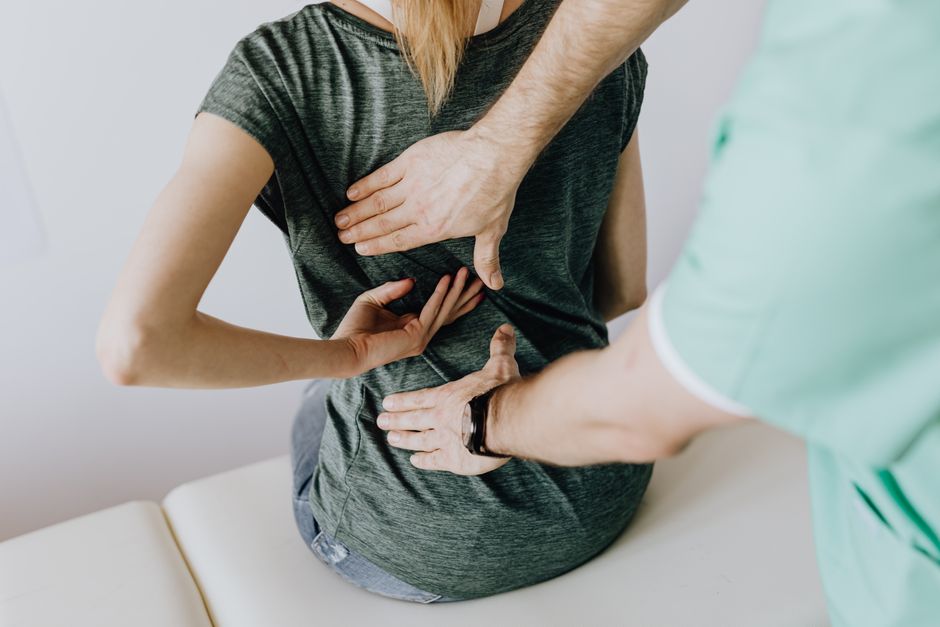
Sneezing and coughing are sudden, forceful actions. They put a lot of pressure on your body, especially your spine. For many people, that pressure turns into a sharp pain in the lower back. This is a common problem, and it usually happens because the muscles and ligaments in your back are working hard to stabilize your spine during the sneeze. The pain is often a sign of strain or an underlying issue with your spine that the extra pressure has exposed.
Why Do I Get Lower Back Pain When Sneezing And Coughing?
When you sneeze or cough, your body creates a sudden increase in pressure in your chest and abdomen. This is called intra-abdominal pressure. To handle this pressure, your back muscles tighten quickly. This is a reflex to protect your spine.
If your lower back muscles are weak, tight, or already strained, this sudden contraction can cause pain. It can also be a sign that the discs between your spinal bones are under stress. The force of a sneeze can push on these discs. If a disc is already weakened, this force can make it bulge or press on a nerve, causing sharp pain.
What Causes the Sharp Pain in Your Lower Back?
There are a few main reasons why this happens. The most common is a simple muscle strain. The muscles in your lower back are not used to that sudden, forceful movement. If they are not conditioned, they can spasm or strain.
Another common cause is a problem with the facet joints in your spine. These are the joints that connect your vertebrae. The sudden pressure from a sneeze can irritate these joints, especially if they have arthritis.
A more serious cause is a herniated disc. This is when the soft center of a spinal disc pushes through a tear in the tougher outer layer. The pressure from a sneeze can make this worse, causing the disc to press against a nerve root. This often causes pain that shoots down the leg, which is known as sciatica.
It is important to know the difference. Muscle pain usually feels like a dull ache or a cramp. Nerve pain from a disc is often sharp, shooting, or burning. If you have numbness or tingling in your leg, that points more toward a nerve issue.
Is This a Sign of a Serious Problem?
Most of the time, lower back pain from sneezing is not a medical emergency. It is often just a sign that your back is vulnerable. However, there are warning signs you should not ignore.
Seek medical attention quickly if you experience any of these:
- Numbness or tingling in your groin or inner thigh
- Sudden weakness in your legs or feet
- Loss of bladder or bowel control
- Pain that is severe and does not go away after a few minutes
- Pain that follows a recent injury or fall
These symptoms can indicate a serious condition called cauda equina syndrome, which requires immediate care. Do not wait to see if it gets better. This is a true emergency.





How Can You Prevent the Pain?
You cannot stop sneezing, but you can change how your body handles it. The goal is to reduce the sudden stress on your lower back.
One effective technique is to brace your core before you sneeze. When you feel a sneeze coming, tighten your stomach muscles. This helps support your spine and takes some of the load off your lower back. You can also place your hand on a wall or a table for support. This gives your body a stable base.
Another technique is to sneeze while standing with your knees slightly bent. This uses your leg muscles to absorb some of the force. Avoid bending forward at the waist when you sneeze. That position puts extra strain on your spinal discs.
Long-term prevention involves strengthening your core and back muscles. Strong muscles support your spine better. Regular walking, swimming, or specific exercises like planks and bridges can help. A physical therapist can give you a program tailored to your needs.
What Are the Best Treatment Options?
Treatment depends on the cause of the pain. For a simple muscle strain, home care is often enough. Applying a heating pad for 15-20 minutes can relax tense muscles. Some people find cold packs help reduce inflammation in the first day or two.
Over-the-counter pain relievers like ibuprofen or naproxen can reduce pain and inflammation. Acetaminophen can help with pain but does not reduce inflammation. Always follow the dosing instructions on the label. If you have other health conditions or take other medications, ask your doctor or pharmacist first.
For pain from a herniated disc, the approach is similar at first. Rest for a day or two is okay, but prolonged bed rest is not recommended. Gentle movement is usually better. Physical therapy is a key treatment for disc problems. It helps strengthen the muscles that support your spine and improve your flexibility.
If the pain does not improve after a few weeks, or if you have nerve symptoms, see a doctor. They may recommend imaging tests like an MRI to see exactly what is happening. In some cases, they may suggest stronger prescription medications or injections. Surgery is rarely needed and is only considered when other treatments have failed or if there are serious neurological symptoms.
When Should You See a Doctor?
You should see a doctor if the pain lasts longer than a few weeks. You should also see a doctor if the pain is getting worse instead of better.
If the pain from sneezing is a new symptom for you, it is worth getting checked. It might be the first sign of a degenerative condition like arthritis or a disc problem. Knowing what you are dealing with helps you manage it correctly. A doctor can give you a proper diagnosis and rule out more serious causes.
Remember that back pain is very common. Most people recover with conservative care. The key is to listen to your body and not push through severe pain.
Frequently Asked Questions
Can sneezing cause a herniated disc?
Yes, the sudden pressure from a sneeze can cause a weakened disc to herniate or bulge. This is more likely if you already have disc degeneration.
Why does my back hurt only when I sneeze?
This usually means a specific structure in your back is vulnerable to sudden pressure. It could be a strained muscle, an irritated joint, or a disc that is under stress.
Is it safe to take pain relievers for this type of back pain?
Over-the-counter anti-inflammatory drugs can be safe for short-term use in most people. Check with your doctor or pharmacist if you have other health conditions or take other medications.
What is the best position to be in when I sneeze?
Stand with your knees slightly bent and brace your core muscles. If you are sitting, keep your back straight and avoid slouching forward.
