
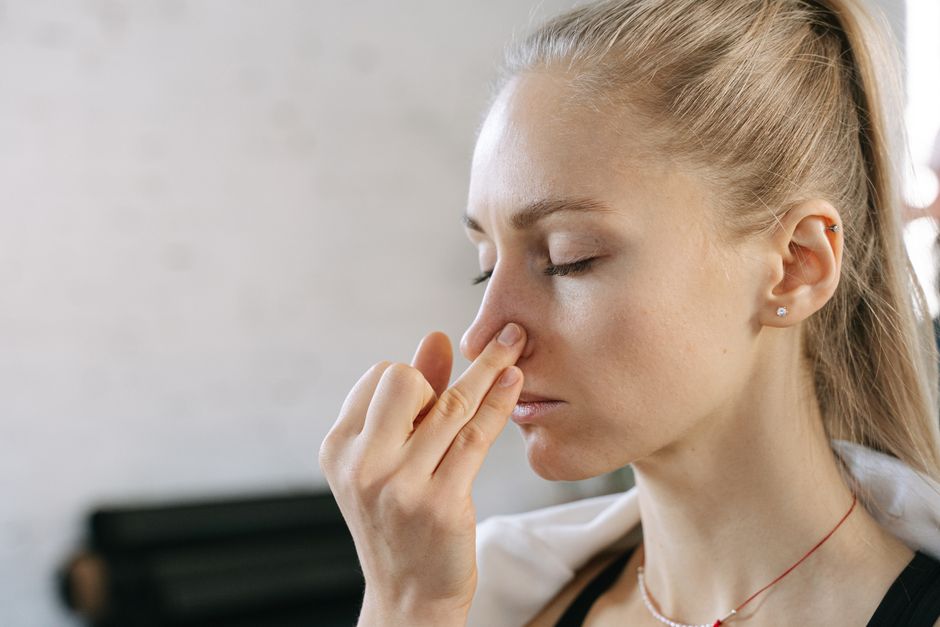
You notice it most at night or when the air is still. Your exhaled breath feels unusually warm against your upper lip or the back of your hand. You wonder if something is wrong. The sensation of breathing hot air from your nose is common, and in most cases it is not a sign of a serious illness. The feeling usually comes from a combination of how warm your body is, how dry the air around you is, and how sensitive the tissues inside your nose have become. Your nose is designed to warm and humidify the air you breathe before it reaches your lungs, so a feeling of heat can simply mean that system is working hard. However, persistent hot air breathing can also point to inflammation, infection, or environmental factors worth addressing.
Why Am I Breathing Hot Air From My Nose?
Your nasal passages are lined with blood vessels that sit close to the surface. These vessels warm incoming air to near body temperature in fractions of a second. When you exhale, that warm, moist air passes back over the same sensitive tissues. If the room is cool, the contrast makes your breath feel warm. If the room is warm or humid, the difference is less noticeable. So the sensation of hot air is often just a matter of temperature contrast, not a change in your actual breath temperature.
Another factor is the speed of your breathing. When you breathe faster or more shallowly, air moves through the nose more quickly and can create more friction. That friction generates a perception of heat. Anxiety, stress, or mild exertion can all increase your breathing rate without you realizing it. If you are breathing through your nose more forcefully than usual, the airflow itself can make the lining of your nostrils feel irritated and warm.
What Causes the Inside of Your Nose to Feel Hot?
The most common cause is inflammation of the nasal lining. When the tissue inside your nose becomes swollen or irritated, the blood vessels dilate. More blood flow means more heat. This is the same reason your skin feels warm when you have a sunburn or a rash. The medical term for this nasal inflammation is rhinitis, and it has several triggers.
Allergic rhinitis is one of the most frequent culprits. Pollen, dust mites, pet dander, or mold can trigger the immune system to release histamine. Histamine causes blood vessels in the nose to widen and leak fluid. The result is congestion, sneezing, and a feeling of heat inside the nostrils. Some research suggests that allergic rhinitis affects up to 30 percent of adults in the United States, making it a very common explanation for this symptom.
Non-allergic rhinitis produces the same symptoms without an allergic trigger. Changes in weather, strong odors, smoke, or spicy foods can all cause the nasal lining to react. Spicy foods are a classic example. Capsaicin, the compound that makes chili peppers hot, activates the same nerve fibers that sense physical heat. Eating a spicy meal can make your nose feel genuinely hot for a short time, even though your body temperature has not changed.
Can a Sinus Infection or Cold Cause Hot Nasal Breath?
Yes. Viral infections like the common cold cause inflammation and increased blood flow to the nasal passages. This is part of your immune response. The extra blood flow brings white blood cells to fight the virus. It also brings warmth. During the first few days of a cold, many people notice their nose feels hot or that their breath seems warmer than usual.
Sinus infections, or sinusitis, can produce the same sensation. When the sinuses become blocked and fluid builds up, pressure increases. That pressure can make the nasal lining feel hot and tender. If you have facial pain, thick nasal discharge, or a fever along with the hot feeling, a sinus infection is a reasonable possibility. Most sinus infections are viral and resolve on their own, but bacterial infections may require medical treatment.
One important point: your breath itself is not actually hotter when you are sick. Your body temperature may be slightly elevated, which warms the air in your lungs. But the main reason your nose feels hot is the increased blood flow and inflammation in the nasal tissues, not a change in the temperature of the air you exhale.





Why Does My Nose Feel Hot at Night?
Nighttime is when most people notice this sensation. There are a few reasons for that. First, your body temperature naturally dips slightly during sleep, but the air in your bedroom may be cooler than your body temperature. The contrast makes your exhaled breath feel warmer. Second, many people breathe more through their mouth at night, which can dry out the throat and nasal passages. Dry tissues are more sensitive to temperature changes.
Another factor is nasal cycle. Your body alternates which nostril does most of the breathing work every few hours. When one side is more congested, air moves faster through the more open side. Faster airflow creates more friction and a stronger sensation of warmth. This is completely normal and not a cause for concern.
If you sleep with a fan or air conditioner blowing directly on your face, that can also dry out your nasal lining. Dry nasal tissue feels warmer because the moisture that normally protects it has evaporated. Using a humidifier in your bedroom can help if this is a recurring issue for you.
When Should You See a Doctor About Hot Nasal Breath?
Most of the time, the feeling of breathing hot air from your nose is temporary and harmless. But there are situations where it deserves medical attention. If the hot feeling lasts more than two weeks without improvement, it is worth getting checked. Persistent inflammation can indicate chronic rhinitis or an underlying condition that needs treatment.
See a doctor if the hot sensation comes with any of these warning signs:
- Fever above 101°F that lasts more than a few days
- Thick, yellow, or green nasal discharge that persists
- Facial pain or pressure that does not go away
- Difficulty breathing through your nose that affects sleep or daily activities
- Nosebleeds that happen repeatedly
- Loss of smell that lasts beyond a week
These symptoms can point to a bacterial sinus infection, nasal polyps, or other structural issues that may need specific treatment. A doctor can examine your nasal passages and determine the cause. In most cases, the treatment is simple and effective.
How Can You Relieve the Hot Feeling in Your Nose?
If the hot sensation is mild and not accompanied by other symptoms, you can try some simple approaches at home. A saline nasal spray can add moisture to dry nasal passages. This is safe to use daily and has no known side effects for most people. Saline rinses, sometimes called neti pots, can also clear irritants from the nasal passages. If you use a neti pot, use distilled, sterile, or previously boiled water. Tap water that has not been boiled can contain organisms that are dangerous if they enter your nasal passages.
Drinking more water can help if dehydration is contributing to dry nasal tissues. Your body needs adequate fluid to keep mucus thin and moist. If you are in a dry climate or heated indoor air, a humidifier can make a meaningful difference. Keeping indoor humidity between 30 and 50 percent is generally recommended for comfort and respiratory health.
If allergies are the cause, over-the-counter antihistamines or nasal steroid sprays may help reduce inflammation. These medications work best when used consistently, not just when symptoms appear. If you are unsure whether allergies are the cause, an allergist can perform skin testing to identify specific triggers. Avoid using decongestant sprays for more than three consecutive days. They can cause rebound congestion, making the problem worse over time.
Is Hot Nasal Breath a Sign of a Fever?
Not necessarily. Your breath is always close to your internal body temperature, which is normally around 98.6°F. When you have a fever, your breath may feel slightly warmer because your body temperature is elevated. But the sensation of hot air from your nose can happen without any fever at all. Inflammation, dry air, and normal temperature contrast can all create the same feeling.
If you are concerned about a fever, use a thermometer rather than relying on how your breath feels. A fever is defined as a temperature of 100.4°F or higher. If you do not have a thermometer and feel unwell, pay attention to other signs like chills, body aches, or sweating. These are more reliable indicators of fever than the temperature of your exhaled breath.
Can Anxiety Make Your Nose Feel Hot?
Yes, anxiety can contribute to this sensation indirectly. When you are anxious, your breathing rate often increases. You may take faster, shallower breaths without noticing. This changes the airflow through your nose and can make you more aware of the temperature of your breath. Anxiety can also cause a flushing sensation, where blood vessels in your face widen and make your skin feel warm. This can extend to the nasal area.
Anxiety does not actually raise your body temperature in a meaningful way. But it can make you hyperaware of normal bodily sensations. If you notice the hot feeling mainly when you are stressed or worried, that pattern is worth paying attention to. Reducing stress through slow, deep breathing exercises may help. If anxiety is affecting your daily life, talking to a healthcare provider is a reasonable step.
What About Menopause and Hormonal Changes?
Hormonal changes can affect the nasal lining. During menopause, declining estrogen levels can cause the nasal mucosa to become drier and more sensitive. Some women report nasal symptoms like congestion, dryness, or a feeling of heat during hot flashes. The connection between hormones and nasal function is real but not widely discussed. If you are in perimenopause or menopause and notice nasal symptoms, they may be related to hormonal shifts. This is not dangerous, but it can be uncomfortable. A humidifier and saline spray can help manage the dryness.
Frequently Asked Questions
Why does my nose feel hot when I breathe in cold air?
Your nose warms incoming air to body temperature before it reaches your lungs. The blood vessels in your nasal lining expand to do this, and that increased blood flow can make your nose feel hot even when the air outside is cold.
Can breathing hot air from your nose mean you have COVID-19?
A hot feeling in the nose is not a specific symptom of COVID-19. Many respiratory viruses cause nasal inflammation, but this sensation alone does not point to any particular infection. If you have other symptoms like fever, cough, or loss of taste or smell, testing may be appropriate.
How long does nasal inflammation usually last?
For a common cold, nasal inflammation typically resolves within 7 to 10 days. Allergic reactions can last as long as you are exposed to the trigger. If the hot feeling lasts more than two weeks, consult a healthcare provider.
Does spicy food cause hot nasal breath?
Spicy foods can make your nose feel hot temporarily. Capsaicin in chili peppers activates nerve fibers that sense heat, creating a genuine burning sensation in the nasal passages. This is harmless and fades as the capsaicin clears from your system.
