
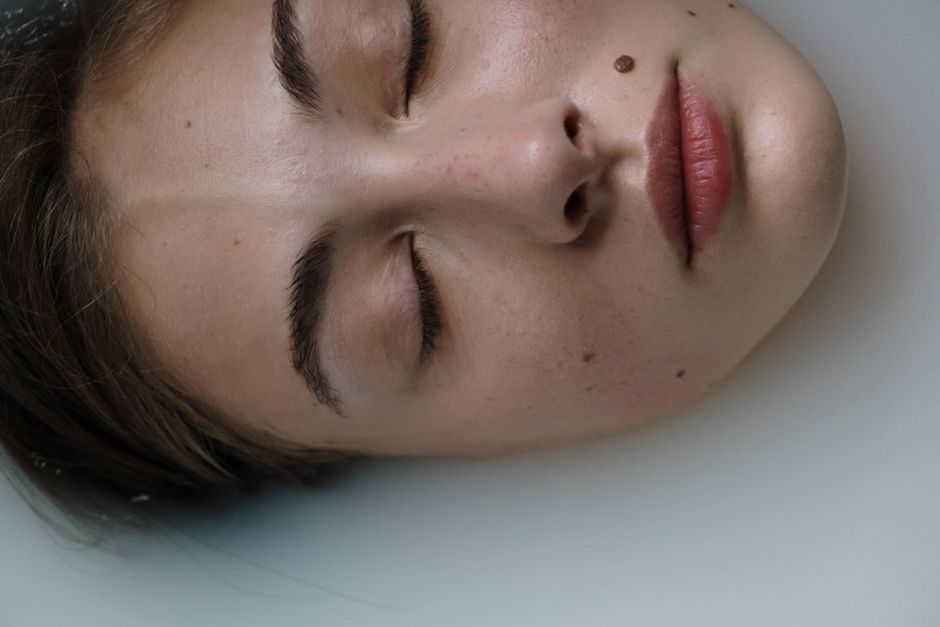
Moles are clusters of pigment-producing cells that have grouped together in one spot instead of spreading evenly through the skin. They form because of a mix of three things: your genes, ultraviolet (UV) light exposure, and hormone shifts at certain life stages. No single factor explains every mole — most are the result of these influences acting together over time.
Almost everyone has moles. Most adults have somewhere between 10 and 40 of them. They usually appear in childhood and the teen years, and new ones tend to slow down after about age 40. Understanding what drives that process helps you know which moles are ordinary and which ones deserve a closer look.
What Causes Moles On Skin UV Hormones Genetics?
Each of these three factors pushes pigment cells, called melanocytes, to multiply and clump together. Genetics sets the stage, UV light acts on it, and hormones can shift the timing.
Melanocytes live in the deeper layer of your skin and make melanin, the pigment that gives skin its color. In most of the skin, these cells are spread out. A mole forms when a small number of them divide and gather in one place. That gathering is what you see as a brown, tan, or pinkish spot.
What triggers the gathering differs from person to person. Some people are born with moles. Others develop them only after years of sun exposure. Still others notice new moles during puberty, pregnancy, or other times when hormone levels change. All three paths can lead to the same result.
How Do Genes Influence Mole Formation?
Genetics is the strongest single factor. If your parents have many moles, you likely will too. Mole count runs in families, and it is one of the more heritable traits in dermatology.
Researchers have identified several gene variants linked to how many moles a person develops. Some of these same genes are involved in regulating how fast melanocytes divide. That overlap is one reason mole count is studied as a marker for skin cancer risk — but having many moles is not the same as having cancer, and most moles never become a problem.
Two broad patterns matter here:
- Ordinary moles — usually round, even in color, and similar to each other. These are common and typically benign.
- Atypical moles — larger, uneven in shape or color, and sometimes inherited in families. Having many of these is associated with higher melanoma risk.
It is worth separating two ideas that often get blurred. Having a lot of moles raises your statistical risk of melanoma. It does not mean any specific mole is dangerous. The great majority of moles, even in people with many of them, stay harmless for life.
How Does UV Exposure Change Your Skin?
UV radiation from the sun and from tanning beds is the main environmental trigger for new moles. It damages the DNA inside melanocytes, and the cells respond by dividing more than they otherwise would.
This is why moles often show up on parts of the body that get the most sun — the face, arms, shoulders, and back. Sunburns, especially in childhood and the teen years, are linked to both higher mole counts and higher melanoma risk later in life. The relationship is not just about total sun exposure. Intense, intermittent burning seems to matter more than steady low-level exposure.
UV also affects existing moles. A mole can darken after sun exposure and then fade again. That short-term color change is usually not a warning sign on its own. What matters more is a change that persists, or one that happens without any obvious sun exposure.
Tanning beds deserve a direct mention. They emit UV radiation, and using them is associated with increased melanoma risk. The idea that a “base tan” protects the skin does not hold up — a tan is itself evidence of DNA damage.





What Role Do Hormones Play?
Hormones can trigger new moles or change existing ones at specific life stages. The clearest examples are puberty and pregnancy.
During puberty, rising levels of estrogen and testosterone are thought to influence melanocytes. Many teenagers notice a burst of new moles during these years. Pregnancy can have a similar effect — some women develop new moles or see existing ones darken or enlarge. These changes are usually temporary, and many moles that appear or darken during pregnancy settle back afterward.
Melanocytes do have receptors that respond to hormones, which gives a biological reason for these patterns. But the exact mechanism is not fully worked out, and the evidence linking specific hormones to specific mole changes is limited. What is well documented is the timing: mole changes cluster around periods when hormone levels shift.
One practical point matters here. Because pregnancy can change moles, a mole that looks different during pregnancy is often nothing to worry about. But a change that is clearly irregular — in shape, color, or border — should still be checked, regardless of hormones.
Which Moles Should You Actually Watch?
Most moles are harmless. The ones worth attention are the ones that change in specific ways. Dermatologists often use a simple checklist called the ABCDE rule:
- A — Asymmetry: one half does not match the other.
- B — Border: edges that are ragged, blurred, or irregular.
- C — Color: more than one color, or uneven shading within a single mole.
- D — Diameter: larger than a pencil eraser (about 6 millimeters), though some melanomas are smaller.
- E — Evolving: any change in size, shape, color, or symptoms like itching or bleeding.
The “E” is the one people most often overlook. A mole that has been stable for years and then starts changing is more concerning than a mole that has always looked a little unusual. New moles after age 40 also deserve a look, since most ordinary moles appear earlier.
This is general guidance, not a diagnosis. If a mole concerns you, a dermatologist can examine it, and in some cases use a tool called a dermatoscope to see structures not visible to the naked eye. A skin biopsy is the only way to confirm whether a mole is benign or malignant.
Can You Prevent Moles From Forming?
You cannot prevent the moles your genes set you up to develop. What you can do is limit the UV exposure that adds to them.
Sun protection is the main lever. That means seeking shade during peak sun hours, wearing protective clothing, and using broad-spectrum sunscreen. The evidence that sunscreen reduces sunburn and skin damage is strong. The evidence that it specifically reduces mole counts is more limited, though some studies suggest it does, particularly in children.
What is clearer is the link between sunburn and skin cancer risk. Reducing burns, especially in childhood, is one of the more reliable ways to lower long-term risk. Avoiding tanning beds matters too, since they add UV exposure without any offsetting benefit.
No product, supplement, or diet has been shown to prevent moles from forming. Claims otherwise are not supported by clinical evidence.
When Should You See a Doctor?
See a dermatologist if a mole is new and stands out from your others, changes in size, shape, or color, or develops symptoms like itching, tenderness, or bleeding. A personal or family history of melanoma also raises the priority of regular skin checks.
Some people benefit from periodic full-body skin exams, particularly those with many atypical moles or a family history of melanoma. How often to have them is a decision best made with a clinician, since recommendations depend on individual risk factors rather than a single rule for everyone.
Frequently Asked Questions
Are moles caused by genetics or sun exposure?
Both play a role, and neither works alone. Genetics sets how many moles you are prone to develop, while UV exposure triggers many of the ones that actually appear.
Can hormones cause new moles to appear?
Yes, hormone shifts during puberty and pregnancy are commonly linked to new moles or changes in existing ones. These changes are often temporary, but any clearly irregular change should still be checked.
Do all moles need to be removed?
No, the vast majority of moles are harmless and do not need removal. A doctor may recommend removing a mole only if it looks unusual or shows signs of change.
Can you stop moles from forming?
You cannot prevent moles your genes predispose you to, but limiting UV exposure and sunburns may reduce how many you develop. No supplement or product has been shown to prevent moles.
