

Malassezia is a type of yeast that naturally lives on the skin of nearly every human being. It is part of the normal skin microbiome, meaning its presence alone is not a problem. The yeast becomes harmful only when conditions on the skin change in ways that allow it to overgrow or trigger an inflammatory response. These changes include excess oil production, high humidity, sweating, or a weakened skin barrier. When those conditions occur, Malassezia shifts from a harmless resident to a driver of common skin conditions like dandruff, seborrheic dermatitis, pityriasis versicolor, and sometimes folliculitis.
What Exactly Is Malassezia?
Malassezia is a genus of fungi that lives on the skin of humans and other warm-blooded animals. It is a lipophilic organism, which means it feeds on lipids, specifically the sebum or oils your skin produces. There are more than a dozen recognized species, and the most common ones on human skin include M. globosa, M. restricta, and M. furfur.
These yeasts are found in higher numbers on areas rich in sebaceous glands — the scalp, face, chest, and upper back. In healthy skin, the immune system and the skin barrier keep the yeast in check. The yeast exists in a yeast form, and under normal conditions it does not cause symptoms. The problem begins when the balance tips.
What Causes Malassezia Overgrowth?
Malassezia overgrowth happens when the skin environment becomes more favorable for the yeast than for the skin’s natural defenses. The most common trigger is excess sebum production. Hormonal changes, especially during puberty or in adults with certain hormonal conditions, can increase oil output. When sebum production rises, Malassezia has more food and multiplies faster.
Humidity and heat also play a major role. Sweating increases skin moisture, and Malassezia thrives in warm, damp environments. This is why seborrheic dermatitis and pityriasis versicolor often flare in hot, humid months or after intense exercise. Occlusive clothing, heavy moisturizers, and not showering promptly after sweating can all trap moisture and oil against the skin, creating ideal conditions for the yeast.
Other contributing factors include stress, which can alter immune function and sebum production, and certain medications. Immunosuppression, whether from disease or medication, can also allow the yeast to grow unchecked. Some research suggests that genetics influence how strongly a person’s immune system reacts to Malassezia, which explains why some people develop symptoms and others do not.
How Does Malassezia Become Harmful?
Malassezia does not damage skin by invading tissue like many other fungal infections. Instead, it causes harm through two main mechanisms: metabolic byproducts and immune response.
As Malassezia feeds on sebum, it breaks down triglycerides into free fatty acids. These free fatty acids are irritating to the skin. They can disrupt the skin barrier, increase water loss, and trigger inflammation. This is the primary mechanism behind dandruff and seborrheic dermatitis. The yeast also produces other metabolites, including indoles and reactive oxygen species, which can further irritate skin cells.
The immune system also responds to the yeast. In some people, the immune system recognizes Malassezia as a threat and mounts an inflammatory response. This response involves immune cells like T cells and the release of inflammatory cytokines. The result is redness, scaling, and itching. The severity of the reaction depends on individual immune sensitivity, not just the number of yeast cells present. Some people can carry high levels of Malassezia without symptoms, while others develop flares with relatively modest overgrowth.

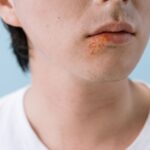


What Skin Conditions Does Malassezia Cause?
Malassezia is linked to several distinct skin conditions. Each has its own appearance and pattern.
Seborrheic dermatitis is the most common condition associated with Malassezia. It appears as scaly, greasy patches of skin, usually on the scalp, eyebrows, sides of the nose, and chest. On the scalp it presents as dandruff. The condition is chronic and tends to flare and remit. It is not contagious and is not a sign of poor hygiene.
Pityriasis versicolor is a different condition caused by Malassezia. It produces patches of skin that are lighter or darker than the surrounding skin, most often on the chest, back, and shoulders. The patches may be slightly scaly and can become more noticeable after sun exposure because the affected areas do not tan normally. This condition is also not contagious.
Malassezia folliculitis is an inflammation of hair follicles caused by the yeast. It appears as itchy, red bumps on the chest, back, and shoulders. It can look similar to acne but does not respond to typical acne treatments. It is more common in young adults and people who sweat heavily.
Less commonly, Malassezia has been associated with conditions like psoriasis flares and some cases of atopic dermatitis, though the role of the yeast in these conditions is less clearly defined.
How Is Malassezia-Related Skin Disease Treated?
Treatment depends on the specific condition and its severity. The goal is not to eliminate Malassezia — that is neither possible nor desirable — but to reduce its numbers and manage the inflammation it causes.
For dandruff and seborrheic dermatitis, antifungal shampoos are the first-line treatment. These contain active ingredients like ketoconazole, zinc pyrithione, selenium sulfide, or ciclopirox. They work by reducing the yeast population on the scalp and skin. They are typically used two to three times per week, and improvement is usually seen within a few weeks. For skin areas beyond the scalp, antifungal creams or lotions can be used.
For pityriasis versicolor, antifungal creams, lotions, or shampoos are also effective. The patches of discoloration may take weeks or months to fade even after the infection is cleared, because the pigment changes are a result of the yeast’s effect on melanocytes. The skin color usually returns to normal eventually, but it can be slow.
For Malassezia folliculitis, oral antifungal medications are sometimes needed because the yeast lives deep inside hair follicles where topical treatments cannot always reach. This is typically a short course of treatment under medical supervision.
In addition to antifungals, managing the underlying triggers is important. Reducing sweating, showering after exercise, wearing breathable fabrics, and managing stress can all help reduce flare frequency. Some dermatologists also recommend gentle skin care routines that do not strip the skin barrier, since a damaged barrier can make the skin more reactive to Malassezia byproducts.
Can Malassezia Be Prevented?
Complete prevention is not realistic because Malassezia is a permanent part of the skin microbiome. However, flare prevention is often achievable with consistent habits.
Regular use of an antifungal shampoo, even once a week, can keep yeast numbers low and prevent dandruff and seborrheic dermatitis flares. Showering promptly after sweating and avoiding heavy, occlusive skincare products on the chest and back can reduce the risk of folliculitis and pityriasis versicolor. For people with recurrent pityriasis versicolor, some dermatologists recommend periodic use of an antifungal cleanser during warm, humid months.
It is important to note that there is no evidence that diet changes can prevent or cure Malassezia-related conditions. Some online sources suggest reducing sugar or carbohydrate intake, but no clinical trials have confirmed that dietary changes affect Malassezia overgrowth. The evidence for probiotics, supplements, or herbal remedies is also limited and not sufficient to support specific recommendations.
When Should You See a Dermatologist?
Over-the-counter antifungal shampoos and creams are effective for many people with mild dandruff or seborrheic dermatitis. However, you should see a dermatologist if symptoms do not improve after several weeks of consistent treatment, if the rash is spreading, if it is painful, or if you are unsure about the diagnosis.
A dermatologist can confirm whether Malassezia is actually the cause of your symptoms. Other conditions can look similar, including psoriasis, contact dermatitis, and bacterial folliculitis. A proper diagnosis matters because treatments differ significantly. For example, using a steroid cream on a fungal infection can sometimes make it worse, and using an antifungal on psoriasis will not help.
If you have a weakened immune system due to disease or medication, you should seek medical advice early rather than trying prolonged self-treatment. Malassezia infections can be more extensive and more difficult to treat in these situations.
Frequently Asked Questions
Is Malassezia contagious?
No, Malassezia is not contagious. It lives naturally on the skin of most people, and the conditions it causes are not transmitted from person to person.
Can Malassezia be cured permanently?
No, because the yeast is a permanent part of your skin microbiome. Treatment reduces its numbers to control symptoms, but it cannot be eliminated entirely.
Does diet affect Malassezia overgrowth?
No clinical evidence confirms that diet changes prevent or treat Malassezia-related conditions. Some people report improvements with dietary changes, but this is not supported by controlled studies.
What is the fastest way to get rid of Malassezia rash?
Antifungal creams or shampoos containing ketoconazole or similar ingredients are the most effective way to reduce the yeast quickly. Improvement is typically seen within one to two weeks of consistent use.
