
Your liver is a chemical processing plant that never clocks out. It filters blood, breaks down drugs and alcohol, builds proteins, stores energy, and packages waste for removal. When it meets more toxins than it can handle — or when its own cells get damaged in the process — that is liver toxicity. The signs range from vague tiredness and nausea to yellowing skin and eyes, dark urine, and pain in the upper right belly. Many cases are mild and reversible. Some are emergencies.
What Causes Liver Toxicity And What Are The Signs?
The word “toxicity” gets used loosely. In medicine, liver toxicity — often called hepatotoxicity — means the liver has been injured by a substance. That substance can be a prescription drug, an over-the-counter medicine, alcohol, a supplement, an industrial chemical, or a plant toxin.
The injury happens in a few ways. Some substances damage liver cells directly. Others force the liver to process them into byproducts that are themselves harmful. Still others trigger an immune reaction, where the body’s own defenses attack liver tissue. A fourth pattern blocks the flow of bile, the digestive fluid the liver makes, causing it to build up.
The signs depend on which pattern is at work and how severe it is. Early on, there may be no signs at all — blood tests can show liver stress before a person feels anything. When symptoms do appear, the most common are:
- Fatigue that does not improve with rest
- Nausea, poor appetite, or a general sense of feeling unwell
- Pain or tenderness in the upper right abdomen
- Dark urine and pale, clay-colored stools
- Yellowing of the skin and whites of the eyes, called jaundice
- Itching, especially with bile-flow problems
Jaundice is the sign most people recognize, but it usually appears after a fair amount of liver injury has already occurred. Waiting for yellow skin before taking symptoms seriously is a mistake.
What Are The Most Common Causes Of Liver Toxicity?
Acetaminophen is the single most common cause of acute liver failure in the United States. This is not a rare drug reaction — it is a well-documented pattern. Acetaminophen is safe at recommended doses for most healthy adults. Problems arise with overdose, whether accidental (taking multiple products that all contain it) or intentional. Alcohol amplifies the danger because it changes how the liver processes the drug.
Prescription medications are another major category. Certain antibiotics, seizure medications, cholesterol-lowering statins in rare cases, and some arthritis drugs can stress the liver. The risk varies enormously by drug and by person.
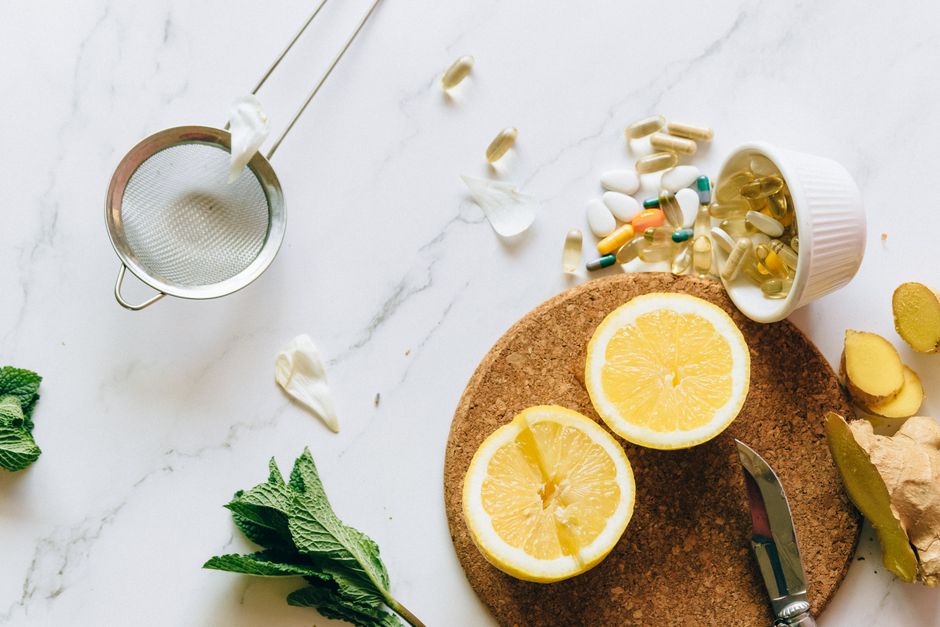
Herbal and dietary supplements deserve direct mention. They are a growing cause of liver injury in the US, partly because they are not held to the same safety testing standards as prescription drugs. Some products marketed for weight loss, bodybuilding, or “detox” have been linked to liver damage. The label “natural” says nothing about safety for your liver.
Alcohol remains a leading cause of liver disease overall. Chronic heavy drinking leads to fat buildup, then inflammation, then scarring. The progression usually takes years, though the timeline varies widely between individuals.
Other causes include industrial solvents, certain mushrooms (some species are severely toxic), and aflatoxins — compounds produced by molds that can grow on poorly stored grains and nuts.
Which Medications And Supplements Can Harm The Liver?
The list is long and changes as new cases are reported. What matters for a reader is knowing the categories, not memorizing every name.
Among over-the-counter products, acetaminophen is the standout. It appears in hundreds of combination products, including cold and flu formulas and sleep aids. Taking a cold medicine and a headache pill together without checking labels is a common path to accidental overdose.
Among prescription drugs, the ones most often flagged include certain antibiotics (such as some used for tuberculosis), anti-seizure medications, some antifungals, and certain drugs for arthritis and autoimmune conditions. Most people take these without liver problems. When injury does occur, it is often detected through routine blood monitoring.
Supplements are trickier. Because they are regulated more like food than like drugs, they can reach the market without proof of safety. Reports of liver injury have involved green tea extract in high-dose supplement form, certain bodybuilding products, and multi-ingredient “liver detox” blends. The irony is real: some products sold to support the liver have been linked to harming it.
If you take any medication or supplement regularly and develop unexplained fatigue, nausea, or jaundice, tell your doctor what you are taking. Do not stop a prescription on your own — some medications cause serious problems if stopped abruptly.





How Does Alcohol Damage The Liver?
Alcohol is processed almost entirely by the liver. In the process, it produces compounds that damage liver cells and promote fat accumulation. The first stage of alcohol-related liver injury is fat buildup, sometimes called fatty liver. At this stage, the liver can often recover if drinking stops.
Continued drinking can lead to inflammation, then to scarring. Scarring that becomes extensive is called cirrhosis, and it is generally not reversible. The amount and duration of drinking that leads to each stage varies a great deal from person to person. Genetics, body weight, diet, and other health conditions all play a role.
One point worth stating plainly: there is no established safe level of alcohol consumption for liver health. Guidance from public health bodies has shifted toward the position that less is better, and that no amount can be called protective.
What Does It Mean If Your Liver Enzymes Are High?
Liver enzymes are proteins measured in a standard blood test. The two most familiar are ALT and AST. When liver cells are injured, these enzymes leak into the bloodstream and the numbers rise.
High enzymes do not automatically mean serious liver disease. They can rise temporarily from a recent illness, intense exercise, certain medications, or even a lab variation. They can also be elevated in people with no symptoms and no underlying problem.
Doctors usually look at the pattern — which enzymes are high, and how high relative to normal ranges — along with other tests to figure out what is going on. A single abnormal result is often repeated before any conclusions are drawn. If you get a high result, the next step is a conversation with your doctor, not a self-diagnosis.
When Should You Seek Medical Care?
Some signs of liver toxicity need urgent attention. Seek care the same day for jaundice, confusion or extreme sleepiness, vomiting blood, black or tarry stools, severe abdominal pain, or a rapid heartbeat with weakness.
Confusion matters especially. When the liver cannot clear waste products from the blood, they can reach the brain and cause changes in thinking or alertness. This is a medical emergency.
For less dramatic symptoms — ongoing fatigue, mild nausea, discomfort under the right ribs — a routine appointment is reasonable. Bring a list of everything you take, including supplements and over-the-counter drugs. That list is often the single most useful piece of information for your doctor.
Can Liver Toxicity Be Reversed?
Often, yes — if the cause is removed in time. The liver has a notable ability to regenerate. When a harmful substance is stopped and no permanent scarring has occurred, liver function frequently returns to normal.
That said, recovery depends on the substance, the dose, how long exposure lasted, and the person’s overall health. Acetaminophen overdose treated early with the antidote N-acetylcysteine has a good outlook. The same overdose treated late can be fatal or require a transplant.
Cirrhosis is a different story. Scar tissue does not go away. When cirrhosis is present, the goal shifts to preventing further damage and managing complications. This is why catching liver injury early matters so much — the window for full recovery narrows as damage progresses.
How Can You Lower Your Risk?
Most steps are unglamorous and well established. Read labels on every over-the-counter product to avoid doubling up on acetaminophen. Follow dosing instructions exactly. Tell your doctor about every supplement you take, even ones marketed as natural.
Limit alcohol. If you drink, less is better for your liver, and the evidence does not support a protective threshold.
Be cautious with products marketed for weight loss, “detox,” or liver support. Many have not been tested for safety, and some have been linked to liver injury.
Keep up with routine blood work if you take medications known to affect the liver. Monitoring catches problems before symptoms start.
None of this guarantees you will never have a liver problem. Some liver conditions are genetic, autoimmune, or caused by viruses like hepatitis B and C. But for the most common causes of toxicity — drugs, alcohol, and supplements — the steps above address the bulk of the risk.
Frequently Asked Questions
What are the early warning signs of liver toxicity?
Early signs often include fatigue, nausea, poor appetite, and discomfort in the upper right abdomen. Many people have no symptoms at all until liver injury is more advanced, which is why blood tests matter.
Can liver toxicity go away on its own?
Yes, in many cases, if the harmful substance is stopped before permanent scarring occurs. The liver can regenerate, but recovery depends on the cause, the dose, and how long the exposure lasted.
Is acetaminophen safe for the liver?
At recommended doses, acetaminophen is safe for most healthy adults. The danger comes from exceeding the recommended dose, taking multiple products that contain it, or combining it with heavy alcohol use.
How long does it take for the liver to recover from toxicity?
Recovery time varies widely depending on the substance and the extent of injury, so no single timeline applies. Some people recover within weeks, while others need months or do not fully recover if scarring has occurred.
