

Puffy eyes from allergies happen when your immune system releases histamine in response to an allergen, causing blood vessels around your eyes to leak fluid into the surrounding tissue. The fastest way to reduce this swelling is to apply a cold compress immediately, rinse your eyes with sterile saline or artificial tears, and take an oral antihistamine. These three steps work together to constrict blood vessels, flush out the allergen, and block the histamine response at the source.
What Causes Puffy Eyes From Allergies?
Allergic conjunctivitis is the medical term for this condition. When pollen, pet dander, dust mites, or mold spores come into contact with your eyes, your immune system mistakes them for a threat. It releases histamine and other inflammatory chemicals to fight off the perceived invader.
Histamine causes the small blood vessels in your eyelids and the thin membrane covering your eyes to dilate. This increased blood flow brings fluid into the area, which accumulates in the loose skin around your eyes. Because eyelid skin is among the thinnest skin on your body, swelling becomes visible quickly.
The swelling is not caused by the allergen itself penetrating the skin. It is an immune response. This matters because treating the puffiness without addressing the immune reaction will only give temporary relief.
How To Treat Puffy Eyes From Allergies Fast
Speed matters when your eyes look swollen and feel irritated. The most effective fast treatment combines three actions: cooling, rinsing, and medicating.
Start with a cold compress. Wrap a few ice cubes in a clean cloth or use a refrigerated gel eye mask. Apply it gently over your closed eyelids for 10 to 15 minutes. The cold narrows blood vessels, which reduces the amount of fluid leaking into the tissue. Do not press hard on your eyes. Pressure can increase discomfort and may temporarily blur your vision.
Next, rinse your eyes. Use sterile saline solution or preservative-free artificial tears. Tilt your head back, pull your lower eyelid down slightly, and apply the drops. This flushes allergens off the surface of your eye before they trigger more histamine release. If you wear contact lenses, remove them first and do not put them back in until symptoms fully resolve.
Finally, take an oral antihistamine. Second-generation antihistamines such as cetirizine, loratadine, or fexofenadine work within one to three hours. They block histamine receptors throughout your body, which stops the allergic reaction from continuing. First-generation antihistamines like diphenhydramine also work but cause significant drowsiness in most people.
This three-step approach addresses the problem from different angles simultaneously. The compress reduces existing swelling. The rinse removes the trigger. The antihistamine prevents the reaction from continuing.
How Long Does Allergy Eye Puffiness Last?
With treatment, most allergy-related eye puffiness improves within a few hours. Without treatment, it can last 12 to 24 hours or longer, depending on how much allergen you were exposed to and how sensitive your immune system is.
The timeline depends on whether you remain exposed to the allergen. If you are allergic to pollen and you stay outside on a high-pollen day, the swelling will persist no matter what you do. Removing yourself from the allergen source is just as important as treating the symptoms.
If swelling lasts more than 48 hours despite treatment, or if it worsens, see a doctor. Persistent swelling may indicate a bacterial infection, a blocked tear duct, or another condition that requires different treatment.



Can You Use Eye Drops For Allergy Puffiness?
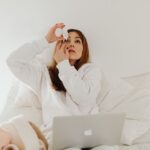
Yes, but not all eye drops are the same. Antihistamine eye drops such as ketotifen or olopatadine work directly on the eye and provide faster relief for itching and redness than oral antihistamines alone. They are available over the counter in most pharmacies.
Decongestant eye drops, which contain ingredients like tetrahydrozoline, reduce redness by constricting blood vessels. They can make your eyes look whiter quickly, but they do not treat the allergic reaction. Using them for more than a few days can cause rebound redness, where your eyes become redder than before when the drops wear off.
Artificial tears are safe to use as often as needed. They lubricate the eye and help wash away allergens. Choose preservative-free formulations if you use them more than four times per day, because preservatives can irritate the eye with frequent use.
Do not use medicated eye drops that contain steroids. These require a prescription and should only be used under a doctor’s supervision. Using steroid eye drops without medical oversight can increase eye pressure and lead to glaucoma.
Home Remedies That Actually Work
Several home remedies genuinely help reduce allergy-related eye puffiness. The evidence for them is mostly based on their physiological effects rather than large clinical trials, but they are low-risk and worth trying.
Chilled cucumber slices or chilled tea bags placed over closed eyes work the same way as a cold compress. The cold reduces blood vessel dilation. Green tea bags contain caffeine, which may have a mild additional effect on reducing fluid retention, though no strong clinical evidence confirms this specific benefit.
A cool, damp washcloth is the simplest option. Keep it in the refrigerator for a few minutes before use. Do not put anything frozen directly on your eyelids. The skin there is thin and can sustain cold injury.
Elevating your head while sleeping can help. Extra pillows keep fluid from pooling around your eyes overnight. This is more helpful for general morning puffiness than for acute allergic reactions, but it can reduce the severity of swelling you wake up with.
Avoid rubbing your eyes. Rubbing feels temporarily soothing because it stimulates tear production, but it also causes more blood vessels to dilate and can push more fluid into the tissue. It can also introduce bacteria from your hands into your eyes.
When To See A Doctor
Most allergy-related eye puffiness resolves with home treatment. Some situations require medical attention.
Seek care if you experience any of the following:
- Swelling that worsens after 24 hours of treatment
- Pain inside the eye rather than surface discomfort
- Vision changes, including blurriness or double vision
- Discharge that is thick, yellow, or green
- Swelling that spreads beyond the eyelid to the cheek or forehead
- Difficulty opening the eye fully
These symptoms can indicate an infection, a severe allergic reaction, or a condition called periorbital cellulitis, which requires prompt medical treatment. Do not wait to see if these symptoms improve on their own.
If you have known severe allergies and experience sudden swelling of the lips, tongue, or throat along with eye puffiness, seek emergency care. This combination can indicate anaphylaxis, a life-threatening reaction.
Preventing Allergy Eye Puffiness
Prevention is more effective than treatment. The goal is to reduce your exposure to allergens before they reach your eyes.
Check daily pollen counts in your area. On high-pollen days, keep windows closed and use air conditioning instead of fans that draw outdoor air inside. Wear wraparound sunglasses when outdoors to create a physical barrier between pollen and your eyes.
Shower and change clothes after spending time outdoors during allergy season. Pollen clings to hair, skin, and fabric. Washing removes it before you transfer it to your pillow or your eyes.
Wash your pillowcases weekly in hot water. Dust mites accumulate in bedding and are a common trigger for eye allergies. Use allergen-proof covers on pillows and mattresses if dust mite allergy is confirmed.
If you know your allergy season, start taking an oral antihistamine daily before symptoms begin. Consistent use prevents the histamine response from building up. This is more effective than waiting until symptoms are severe and then trying to stop them.
What Does Not Work For Allergy Eye Puffiness
Several popular remedies lack evidence and can actually make the problem worse.
Witch hazel and other astringents are sometimes recommended for puffiness. They can dry out the delicate skin around your eyes and cause irritation. No clinical evidence supports their use for allergy-related eye swelling.
Hemorrhoid cream is an old folk remedy for under-eye puffiness. It constricts blood vessels, but it is not formulated for use near the eyes. It can cause severe irritation if it gets into the eye, and it is not approved for this use.
Raw potato slices are another traditional remedy. They provide a cooling effect, but no evidence shows they reduce allergic swelling beyond what a plain cold compress achieves. The starch in potatoes has no demonstrated anti-inflammatory effect on the eye area.
Draining the fluid by pressing on the swollen area does not work. The fluid is not trapped in a pocket that can be squeezed out. It is distributed through the tissue, and pressing on it can damage small blood vessels and worsen bruising.
Frequently Asked Questions
How quickly does a cold compress reduce eye puffiness?
Most people see visible improvement within 10 to 15 minutes of applying a cold compress. The cold narrows blood vessels and reduces fluid leakage, but the effect is temporary unless you also remove the allergen and take an antihistamine.
Can I use regular eye drops for allergy puffiness?
Regular artificial tears are safe and help rinse allergens from your eyes. Decongestant eye drops reduce redness but do not treat the allergy and can cause rebound redness with prolonged use. Antihistamine eye drops are the most effective medicated option.
Is it safe to take an antihistamine every day during allergy season?
Second-generation antihistamines are generally safe for daily use during allergy season and are commonly recommended for this purpose. If you have liver or kidney disease, are pregnant, or take other medications, check with your doctor first.
Why is my eye puffiness worse in the morning?
Fluid redistributes when you lie flat, and gravity allows it to pool around your eyes overnight. Allergens that collected on your pillowcase during the night can also trigger a fresh histamine response while you sleep.
