
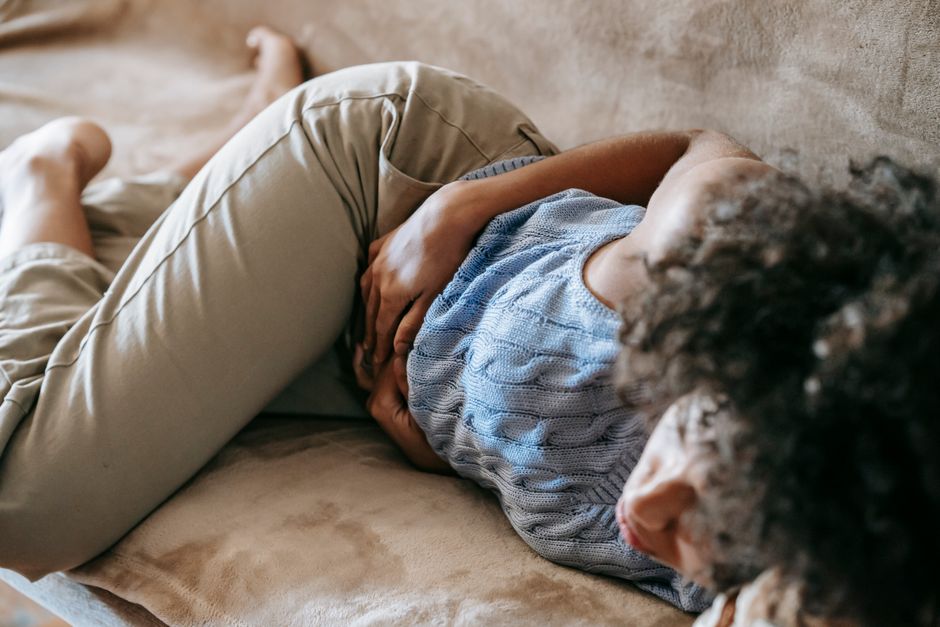
Ovary pain after menopause is not normal, and it is not something to brush off. The ovaries shrink after menopause and stop releasing eggs, so the common causes of pain during the reproductive years — like ovulation or ovarian cysts from a monthly cycle — are no longer the explanation. When pain occurs in the pelvic area after menopause, it signals that something else is going on, and it deserves a medical evaluation.
What Causes Ovary Pain After Menopause?
The most important fact to understand is that postmenopausal ovary pain is a red flag. After menopause, the ovaries produce very little estrogen and no longer ovulate. Any new pelvic pain in this stage of life warrants a doctor’s visit.
Common causes include benign growths, digestive issues, and musculoskeletal problems. But because the risk of ovarian cancer rises with age, persistent pain must be investigated rather than dismissed. A doctor will typically order imaging, usually a transvaginal ultrasound, to see what is actually happening.
Why Ovulation Pain Stops After Menopause
Mittelschmerz is the medical term for ovulation pain. It happens when a follicle stretches the ovary’s surface as an egg is released. This occurs mid-cycle and is completely benign.
After menopause, ovulation stops. The ovaries stop releasing eggs and the hormonal cycle ends. Therefore, ovulation pain cannot occur. If someone experiences pain that feels like mittelschmerz after menopause, the cause is something else entirely.
Ovarian Cysts After Menopause
Ovarian cysts are fluid-filled sacs that form on or inside an ovary. During reproductive years, they are common and usually harmless. After menopause, they are less common but still possible.
Most postmenopausal cysts are benign. However, the risk of malignancy is higher in this age group compared to younger women. A simple cyst with thin walls and no solid areas is usually reassuring. Complex cysts with solid components or irregular borders require closer attention.
Some postmenopausal cysts resolve on their own. Others persist or grow. If a cyst causes pain, ruptures, or twists the ovary, surgery may be necessary. The decision depends on the cyst’s appearance on ultrasound and whether it grows over time.





When Pain Comes from the Bowel or Bladder
Pelvic pain after menopause is often not ovarian at all. The ovaries sit near the bowel and bladder, and pain from these organs can feel identical to ovary pain.
Constipation is a common culprit. The hormonal changes of menopause can slow digestion, making constipation more frequent. Trapped gas can also cause sharp, cramping pelvic pain that comes and goes.
Urinary tract infections can cause lower abdominal pain, along with burning during urination and urgency. Interstitial cystitis, a chronic bladder condition, causes pelvic pressure and pain that worsens as the bladder fills.
Irritable bowel syndrome can cause cramping, bloating, and alternating diarrhea and constipation. The pain often improves after a bowel movement. These conditions are treatable, but they require the right diagnosis first.
Musculoskeletal and Nerve Pain
Not all pelvic pain comes from internal organs. The pelvic floor muscles, hip joints, and lower spine can all refer pain to the area where someone feels “ovary pain.”
Pelvic floor dysfunction is common after menopause. Low estrogen weakens the pelvic tissues, and tight or weakened muscles can cause deep pelvic aching. Physical therapy specifically for the pelvic floor is often effective.
Hip osteoarthritis can cause groin pain that feels like it comes from the ovary. The same is true for lumbar spine issues, including herniated discs or sciatic nerve irritation. A careful physical exam can often distinguish these sources from true ovarian pain.
Endometriosis and Adhesions
Endometriosis is a condition where tissue similar to the uterine lining grows outside the uterus. It is often considered a disease of reproductive-age women, but it can persist after menopause.
If a woman had endometriosis before menopause, the lesions may continue to cause pain even when estrogen levels drop. Hormone replacement therapy can also reactivate dormant endometriosis tissue. This is a real cause of postmenopausal pelvic pain that is sometimes overlooked.
Adhesions are bands of scar tissue that form after abdominal or pelvic surgery. A hysterectomy, appendectomy, or cesarean section can leave adhesions behind. These bands can tug on organs and cause chronic pain that worsens with movement or certain positions.
Ovarian Cancer and Other Serious Causes
Ovarian cancer risk increases with age. Most cases are diagnosed after menopause. The symptoms are often vague, which is why the disease is frequently caught late.
Persistent pelvic or abdominal pain is one of the warning signs. Others include bloating, feeling full quickly, difficulty eating, and urinary urgency or frequency. These symptoms are common and usually benign, but when they are new, persistent, and occur nearly every day for weeks, they warrant investigation.
Other serious causes include ovarian torsion, where the ovary twists on its blood supply. This causes sudden, severe pain and is a surgical emergency. While rare after menopause, it can occur if an ovary is enlarged by a cyst or tumor.
Diverticulitis, an inflammation of pouches in the colon, can also cause left-sided pelvic pain that mimics ovarian pain. A kidney stone passing through the ureter can cause severe flank and pelvic pain as well.
What to Expect at the Doctor’s Appointment
A doctor will start with a thorough history and physical exam. They will ask about the pain’s location, quality, timing, and what makes it better or worse.
A transvaginal ultrasound is the standard first imaging test. It provides detailed images of the ovaries, uterus, and surrounding structures. The doctor will look at the size and appearance of the ovaries and check for cysts, masses, or fluid.
Blood tests may include a CA-125 level. This is a tumor marker that can be elevated in ovarian cancer, but it is not a screening test. Many benign conditions also raise CA-125, and many early ovarian cancers do not elevate it at all. It is most useful when interpreted alongside imaging findings.
If imaging shows a suspicious mass, the next step may be an MRI or CT scan. In some cases, surgery is needed to remove the mass and determine if it is cancerous. This is the only way to get a definitive diagnosis.
Treatment Depends on the Cause
Treatment varies entirely based on what is causing the pain. There is no one-size-fits-all approach.
For benign cysts that are small and simple, a doctor may recommend watchful waiting with a repeat ultrasound in a few months. For larger or complex cysts, surgical removal is often recommended.
For constipation and irritable bowel syndrome, dietary changes, increased fiber, and hydration often help. Pelvic floor physical therapy can address muscle-related pain. Nerve pain may respond to medications like gabapentin, which is prescribed for nerve-related discomfort.
If ovarian cancer is found, treatment typically involves surgery and chemotherapy. The specific plan depends on the stage and type of cancer. An oncologist will guide these decisions.
When to Seek Immediate Care
Sudden, severe pelvic pain is a reason to go to the emergency room. This is especially true if the pain is accompanied by fever, vomiting, or fainting.
These symptoms can indicate ovarian torsion, a ruptured cyst with internal bleeding, or a pelvic infection. These are urgent conditions that require prompt treatment. Do not wait to see if the pain passes.
Less severe but persistent pain — pain that lasts more than a few days or keeps coming back — also requires a medical appointment. It is better to be evaluated and find a benign explanation than to delay and risk missing something serious.
Frequently Asked Questions
Can you still get ovarian cysts after menopause?
Yes, ovarian cysts can form after menopause, though they are less common than during reproductive years. Most are benign, but they require evaluation because the risk of malignancy is higher in this age group.
Is ovary pain after menopause always cancer?
No. Most postmenopausal pelvic pain comes from benign causes like cysts, constipation, bladder issues, or musculoskeletal problems. However, persistent pain must be evaluated to rule out cancer.
What does ovarian cancer pain feel like?
Ovarian cancer pain is typically a dull ache or pressure in the pelvis or abdomen that persists. It often comes with bloating, feeling full quickly, and urinary symptoms that are new and frequent.
How is ovary pain after menopause diagnosed?
Diagnosis starts with a pelvic exam and a transvaginal ultrasound to visualize the ovaries. Blood tests and additional imaging like MRI or CT may follow if the ultrasound shows anything concerning.
