
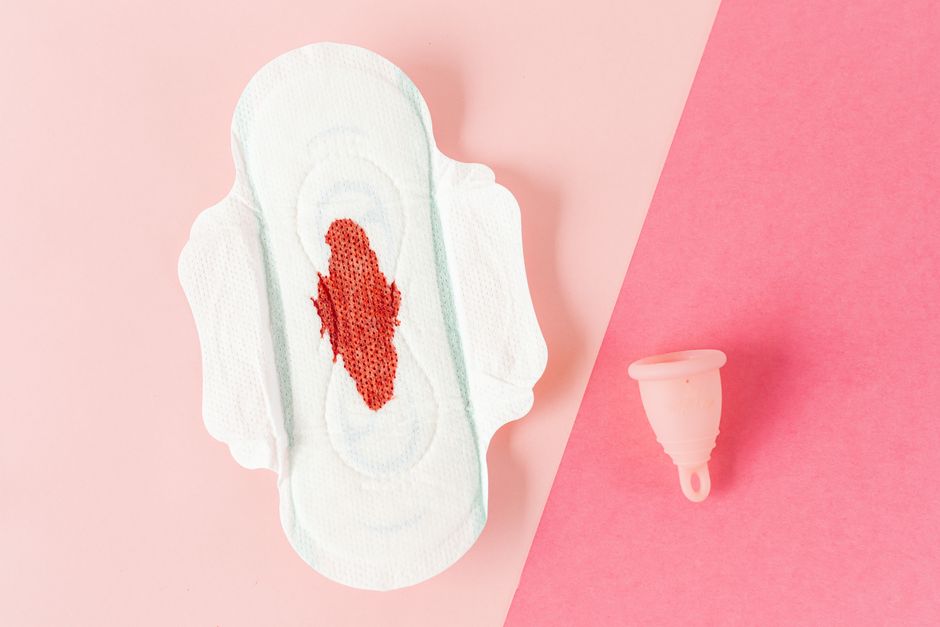
If you are not pregnant and your period is late, you are far from alone. Many things can delay a period, from stress and weight changes to hormonal conditions like PCOS or thyroid problems. The most common causes are ovulation disruptions — if you do not ovulate on schedule, your period will not arrive on schedule either. Let us walk through what the evidence actually shows.
Does Stress Actually Delay Your Period?
Yes, stress can delay your period. Research published in the Journal of Clinical Endocrinology & Metabolism has shown that high levels of cortisol — the main stress hormone — can interfere with the hormones that control ovulation. When ovulation is delayed or skipped, your period follows suit.
The effect is real, but it is not instant. A single stressful day will not shift your cycle. Chronic stress lasting weeks or months is what typically causes a delay. Some women notice a late period after a major life event like a job loss, divorce, or moving.
Stress-related delays are usually short-term. Once stress levels drop, cycles often return to normal within one or two months. If your period is late and you have been under significant pressure, stress is a likely cause. But it is not the only one.
How Does Weight Affect Your Menstrual Cycle?
Both low body weight and rapid weight loss can stop ovulation. The body needs a certain amount of body fat to produce enough estrogen. When fat levels drop too low, estrogen production falls, and ovulation may stop entirely.
Research from the National Institutes of Health has found that women with a BMI under 18.5 are at higher risk for irregular or missed periods. The same is true for women who lose weight quickly through extreme dieting or intense exercise.
On the other end, obesity can also cause late periods. Excess fat tissue produces extra estrogen, which can throw off the balance of reproductive hormones. This can lead to irregular ovulation or anovulation — cycles where no egg is released. The result is a period that comes late or not at all.
Weight-related cycle changes are usually reversible. Gaining or losing weight to reach a healthier range often restores regular cycles, though it may take several months.
What Role Does Polycystic Ovary Syndrome Play?
Polycystic ovary syndrome, or PCOS, is one of the most common causes of late or missed periods. The CDC reports that PCOS affects between 6% and 12% of women of reproductive age in the United States. It is a hormonal disorder where the ovaries produce higher than normal levels of androgens, or male hormones.
This hormone imbalance interferes with ovulation. Many women with PCOS ovulate infrequently or not at all. When ovulation does not happen on a regular schedule, periods become unpredictable. Some women with PCOS have fewer than nine periods per year.
Other signs of PCOS include excess facial or body hair, acne, and thinning hair on the scalp. Not everyone with PCOS has visible cysts on the ovaries, despite the name. Diagnosis is based on having at least two of three criteria: irregular periods, high androgen levels, or polycystic ovaries seen on ultrasound.
Treatment focuses on managing symptoms. Birth control pills can regulate cycles. Metformin, a diabetes medication, may help with insulin resistance that often accompanies PCOS. Lifestyle changes like weight loss can also improve ovulation frequency.





Can Thyroid Problems Delay Your Period?
Yes, thyroid disorders are a well-documented cause of menstrual irregularities. The thyroid gland controls metabolism, and its hormones interact directly with the reproductive system. Both an overactive thyroid (hyperthyroidism) and an underactive thyroid (hypothyroidism) can disrupt your cycle.
Research published in the journal Thyroid has found that hypothyroidism is more commonly linked to heavy, frequent periods, but it can also cause delays. Hyperthyroidism more often leads to light or skipped periods. In both cases, the underlying issue is that thyroid hormones affect how the body produces and regulates estrogen and progesterone.
Thyroid problems are more common in women than men. The American Thyroid Association estimates that 1 in 8 women will develop a thyroid disorder in her lifetime. If you have other symptoms like fatigue, weight changes, feeling cold or hot all the time, or a visible swelling at the front of your neck, a thyroid issue may be causing your late period.
A simple blood test measuring TSH (thyroid-stimulating hormone) can tell you if your thyroid is the problem. Treatment with medication usually restores normal cycles within a few months.
What Causes Late Periods Other Than Pregnancy in Perimenopause?
Perimenopause is the transition period before menopause. It typically starts in a woman’s 40s but can begin as early as the mid-30s. During this time, the ovaries produce less estrogen, and ovulation becomes less predictable.
Periods may come early, late, or skip entirely. Cycles can vary by more than seven days from one month to the next. This irregularity is normal and does not usually require treatment. The average length of perimenopause is about four years, but it can last up to a decade.
The key difference between perimenopause and other causes is the pattern. If you are in your 40s and your cycles are becoming irregular for the first time, perimenopause is the most likely explanation. Other symptoms include hot flashes, night sweats, sleep problems, and mood changes.
Pregnancy is still possible during perimenopause, even with irregular cycles. If you are in this age group and your period is late, a pregnancy test is still worth taking.
What About Birth Control and Medications?
Hormonal birth control is designed to prevent ovulation. Some methods, like the hormonal IUD or the implant, can reduce or eliminate periods entirely. The pill, patch, and ring often make periods lighter and more regular, but missed withdrawal bleeds are common.
This is not a true period. The bleeding you have on hormonal birth control is a withdrawal bleed caused by the drop in hormones during the placebo week. Skipping this bleed is not harmful. Many women on long-acting methods like Depo-Provera or the implant experience no bleeding at all.
Other medications can also affect your cycle. Antidepressants, antipsychotics, blood pressure drugs, and some seizure medications have been linked to menstrual changes. Chemotherapy and radiation therapy can temporarily stop periods. If you started a new medication around the time your period became late, that drug may be the cause.
Always check with your doctor before stopping any prescribed medication. In most cases, the menstrual effects are reversible once the medication is stopped or adjusted.
Common Misconceptions About Late Periods
One widespread myth is that a late period always means something is wrong. In reality, occasional cycle variation is normal. The average menstrual cycle is 28 days, but cycles anywhere from 21 to 35 days are considered normal for adults. A single late period does not mean you have a health problem.
Another misconception is that exercise is always good for your cycle. Moderate exercise supports regular periods. But intense, excessive training — especially combined with low calorie intake — can suppress ovulation. This is common among endurance athletes and dancers.
Some people believe that detox diets or cleanses can regulate periods. There is no clinical evidence that these practices help. In fact, extreme dietary restrictions can delay ovulation further by stressing the body.
The table below summarizes the most common causes of late periods other than pregnancy and their key features:
| Cause | Key Features | How Common |
|---|---|---|
| Stress | Chronic stress, high cortisol | Very common |
| Weight changes | Low BMI or rapid weight loss/gain | Common |
| PCOS | Irregular ovulation, high androgens | 6-12% of women |
| Thyroid disorders | Fatigue, weight changes, temperature sensitivity | 1 in 8 women |
| Perimenopause | Age 40+, cycle variability | All women eventually |
| Birth control | Hormonal methods, missed withdrawal bleeds | Very common |
| Medications | Antidepressants, antipsychotics, others | Less common |
Frequently Asked Questions
How late can a period be before I should worry?
Most doctors recommend taking a pregnancy test if your period is more than seven days late. If it is not due to pregnancy and happens for three or more cycles, see your healthcare provider.
Can the COVID-19 vaccine cause a late period?
Some women report temporary cycle changes after COVID-19 vaccination. Studies from the NIH suggest any change is usually small and resolves within one or two cycles.
Does traveling or jet lag affect your period?
Yes, travel across time zones can disrupt your circadian rhythm, which influences hormone release. This can delay ovulation and make your period late by a few days.
What tests will a doctor run for a late period?
Your doctor will likely start with a pregnancy test, then check thyroid function, prolactin levels, and possibly an ultrasound to look at your ovaries and uterus.
