
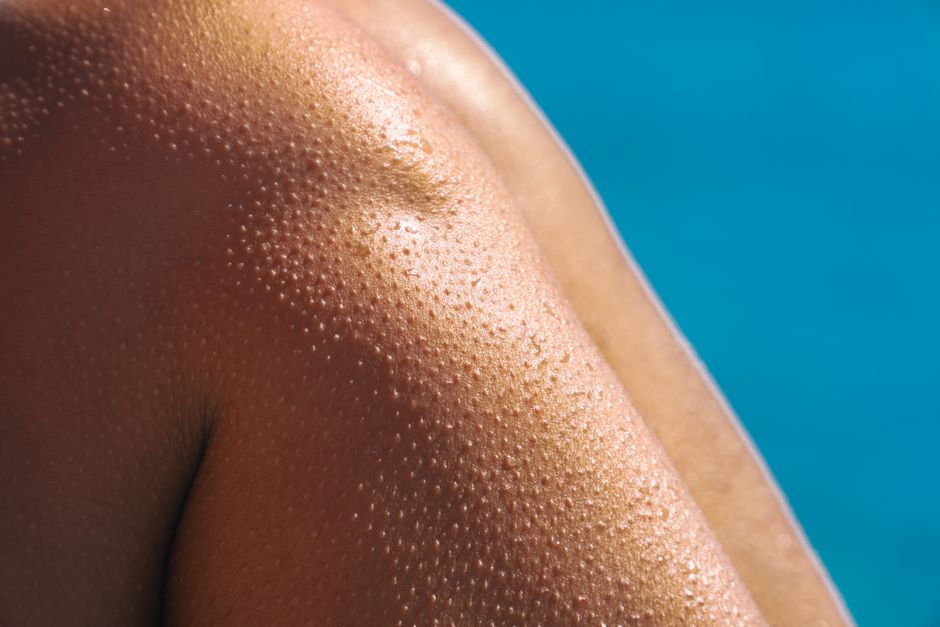
Large pores on the breasts are usually a normal variation of your skin, not a medical problem. Pores are tiny openings for hair follicles and oil glands, and their size is largely determined by genetics, age, and skin type. On the chest, larger pores often appear because the skin there is thinner and more prone to oil production, but they can also become more noticeable due to clogged follicles, hormonal shifts, or sun damage over time.
Why Do Pores On The Chest Look So Large?
Pores do not have muscles to open and close. Their visible size depends on the structure around them. Each pore is an opening to a hair follicle and its attached sebaceous gland, which produces oil called sebum. When that gland is active and produces more oil, the pore can appear wider or more stretched.
On the breasts and upper chest, the skin is naturally thinner than on other body areas. This means the underlying structures are closer to the surface, making any pore appear more obvious. In addition, the chest area often has a higher concentration of oil glands, which can contribute to the appearance of larger openings.
Genetics play a major role. If your parents had visible pores on their chest or face, you are more likely to have them too. This is not something you caused, and it is not a sign of poor hygiene.
What Causes Large Pores On Breasts: Hormones and Oil Production
Hormones directly regulate how much oil your sebaceous glands produce. Androgens, which include testosterone, signal these glands to enlarge and secrete more sebum. This is why pore size can change during puberty, menstrual cycles, pregnancy, and menopause.
During the week before a period, some women notice their chest skin looks oilier and pores appear larger. This is a normal response to rising hormone levels. Pregnancy causes significant hormonal shifts that can increase oil production across the body, including the chest. After menopause, oil production typically drops, and pores may appear smaller but the skin can look drier.
Stress also influences this process. When you are stressed, your body releases cortisol, which can stimulate oil glands temporarily. The effect is usually mild, but it can make existing large pores more noticeable.
Clogged Pores and Keratin Buildup
A pore can look larger when it is clogged. Dead skin cells and sebum can combine inside the follicle, stretching the opening. On the chest, this often appears as small bumps or a rough texture rather than the blackheads you might see on the nose.
This condition is called keratin buildup or occasionally follicular plugging. Keratin is a protein in your skin that normally sheds as new cells form. When it does not shed properly, it can trap oil inside the pore. The result is a visibly enlarged opening that may feel bumpy to the touch.
This is more common in people who sweat heavily, wear tight clothing, or use heavy creams on their chest. The friction from bras and tight shirts can also irritate follicles and make the buildup worse.

Sun Damage and Collagen Loss
Sun exposure breaks down collagen and elastin in the skin. These are the proteins that keep skin firm and tight. When they weaken, the skin loses its supportive structure, and pores can appear larger because the tissue around them sags slightly.
The chest is a common site for sun damage because it is frequently exposed. Even small amounts of unprotected sun exposure add up over years. This is why pore size on the chest often increases with age, even in people who never had prominent pores before.
This process is gradual. It is not something you would notice overnight, but over a decade or more, sun-damaged skin on the chest can look looser and more textured.
Age-Related Skin Changes
As you age, your skin naturally produces less collagen. The skin becomes thinner and less elastic. Pores do not actually stretch open with age, but the surrounding skin loses its firmness, which makes existing pores look more pronounced.
This is the same process that causes fine lines and wrinkles. The chest area is particularly affected because the skin there is already thin. By your 40s and 50s, you may notice that pores on your breasts look larger than they did in your 20s, even if your oil production has decreased.
This is a normal part of aging. It does not indicate a health problem, and it is not a reason for concern.
Can Large Pores On The Breasts Signal A Skin Condition?
Sometimes what looks like large pores is actually a skin condition. Hidradenitis suppurativa is a chronic inflammatory condition that affects areas with many sweat glands, including the chest. It causes painful bumps, tunnels under the skin, and scarring. It is not simply enlarged pores, and it requires medical evaluation.
Folliculitis is another possibility. This is an inflammation or infection of hair follicles that can look like red bumps or enlarged pores. It is often caused by bacteria, and it can occur after shaving, sweating, or wearing tight clothing.
If you have pain, discharge, itching, or spreading redness, this is not normal pore variation. These symptoms warrant a medical evaluation. Large pores alone, without any other symptoms, are almost always a cosmetic issue rather than a medical one.
How To Reduce The Appearance Of Chest Pores
You cannot permanently shrink a pore. Its size is determined by your genetics and skin structure. What you can do is reduce the factors that make pores look larger, such as excess oil, clogged follicles, and sun damage.
Gentle exfoliation can help. Products containing salicylic acid or glycolic acid break down the buildup of dead skin and oil inside pores. Using these a few times per week on the chest can smooth the texture and make pores look smaller. Start with a low concentration to see how your skin reacts.
Sun protection is important. Daily use of a broad-spectrum sunscreen on the chest prevents further collagen breakdown. This will not shrink existing pores, but it stops the skin from losing more structure over time.
Moisturizers can help too. Well-hydrated skin is plumper, which can make pores appear less noticeable. Look for lightweight, non-comedogenic products that will not clog pores further.
Retinoids, available over the counter or by prescription, promote cell turnover and collagen production. Some dermatologists recommend them for improving skin texture on the chest. They can cause irritation at first, so they should be introduced gradually.
No topical product will permanently change your pore size. If a product claims to do so, be skeptical. The evidence supports temporary improvement in appearance, not permanent structural change.
When To See A Dermatologist
Large pores on the breasts do not require medical treatment. However, if you are concerned about the appearance or if you notice changes, a dermatologist can help.
See a dermatologist if you have painful bumps, cysts, scarring, or areas that drain fluid. These can indicate conditions like hidradenitis suppurativa or recurrent folliculitis that need proper diagnosis and treatment.
A dermatologist can also offer professional treatments for cosmetic concerns. Prescription retinoids, chemical peels, and laser treatments are options that some people use to improve chest skin texture. These treatments carry cost and potential side effects, so it is worth discussing whether the expected benefit justifies them.
Frequently Asked Questions
Can large pores on breasts be a sign of cancer?
No. Large pores alone are not a sign of breast cancer. Cancer typically presents as a lump, skin dimpling, discharge, or changes in the nipple, not as enlarged pores.
Do pore strips work on the chest?
Pore strips can temporarily remove surface buildup, but they do not change pore size. They can also irritate the thin skin on the chest, so they are generally not recommended for this area.
Can weight loss make chest pores look larger?
Yes, weight loss can make pores appear more noticeable. When fat tissue decreases, the skin may have less underlying support, which can make existing pores look more prominent.
Are large pores on breasts permanent?
Pore size is largely determined by genetics and does not permanently change with skincare products. However, managing oil production, exfoliating gently, and protecting skin from sun damage can make pores appear smaller.
