
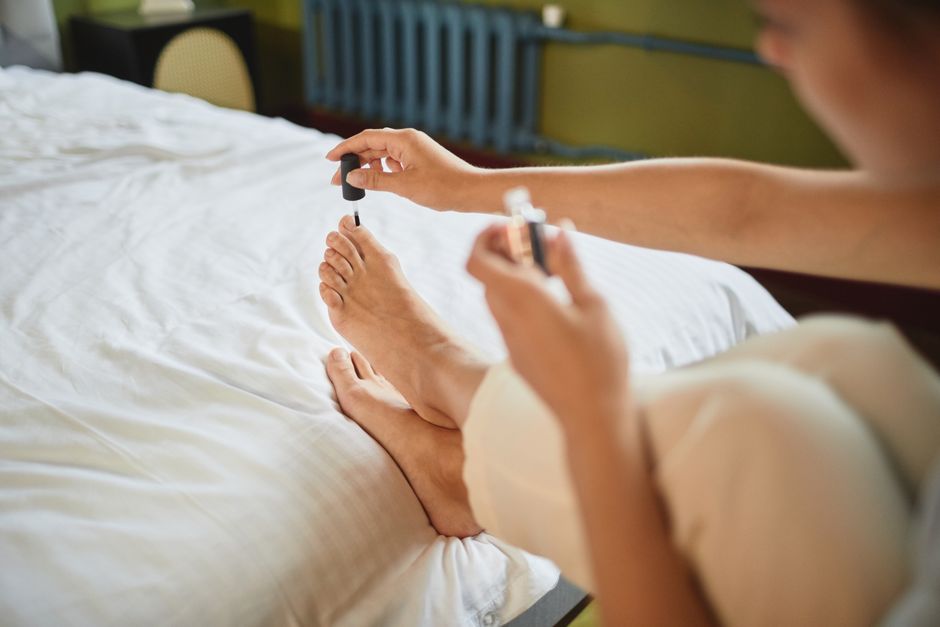
An ingrown toenail happens when the corner or side of a toenail grows into the soft skin next to it. This causes pain, redness, and swelling. The most common causes are improper nail trimming, tight shoes, and injury. Prevention focuses on cutting nails straight across, wearing well-fitted shoes, and keeping feet clean and dry.
What Exactly Is an Ingrown Toenail?
An ingrown toenail is not a nail problem. It is a skin problem that starts with the nail. The medical term is onychocryptosis. When the nail edge cuts into the skin, the body responds with inflammation. That is why you see redness and swelling.
If the skin breaks, bacteria can enter. This can lead to infection. Signs of infection include pus, warmth, and increased pain. The big toe is affected most often. But any toe can get an ingrown nail.
Research published in the Journal of the American Podiatric Medical Association shows that ingrown toenails are one of the most common foot problems seen by podiatrists. They affect people of all ages. But teenagers and young adults get them more often because of sweaty feet and activity levels.
How Do Ingrown Toenails Happen Causes Prevention?
Ingrown toenails happen from a combination of pressure and injury to the nail fold. The nail fold is the skin that surrounds the nail. When something pushes the nail into this skin, it creates a wound.
The most common cause is improper nail trimming. Cutting nails too short or rounding the corners creates a sharp edge. As the nail grows forward, that sharp edge digs into the skin. The American Academy of Dermatology recommends cutting nails straight across, not curved.
Tight shoes are the second major cause. Shoes that squeeze the toes push the skin against the nail. This pressure forces the nail into the skin. High heels and narrow toe boxes are especially problematic. A study in the Journal of Foot and Ankle Research found that 75% of people with ingrown toenails wore shoes that were too narrow.
Injury is another cause. Stubbing your toe, dropping something on it, or repeated pressure from running can damage the nail. The nail may grow back irregularly and dig into the skin. Sports that involve kicking or running increase the risk.
What Are the Early Signs You Should Not Ignore?
Pain along the side of the nail is usually the first sign. It may start as a dull ache and get sharper when you press on it. The skin next to the nail becomes red and puffy.
You might notice the skin growing over the nail edge. This is called hypertrophy. It happens because the skin is trying to heal the irritation. But it makes the problem worse by trapping the nail.
If you see any yellow or green discharge, that is a sign of infection. The area may feel warm to the touch. These symptoms mean the skin barrier has broken and bacteria have entered. The CDC reports that untreated infections can spread to the bone, though this is rare.





What Actually Works for Prevention?
Prevention is straightforward when you know what to do. The evidence supports three main strategies.
Cut nails correctly. Use sharp nail clippers. Cut straight across. Leave the nail long enough that the white tip extends slightly past the skin. Never cut into the corners. File any sharp edges with a nail file so they are smooth.
Wear shoes that fit. Your toes should have room to wiggle. The toe box should be wide enough that no toe is pressed against another. Avoid shoes that are tight across the front. The American Orthopaedic Foot and Ankle Society says you should be able to fit a finger width between your longest toe and the end of the shoe.
Keep feet dry. Moisture softens the skin and makes it easier for the nail to cut through. Change socks if they get sweaty. Dry between your toes after showering. If your feet sweat heavily, consider moisture-wicking socks.
| Prevention Strategy | What to Do | What to Avoid |
|---|---|---|
| Nail trimming | Cut straight across, leave white tip visible | Rounding corners, cutting too short |
| Footwear | Wide toe box, room for toes to move | Narrow shoes, high heels for long periods |
| Foot hygiene | Keep feet clean and dry, change socks | Walking barefoot in public areas, damp socks |
| Activity | Wear protective footwear during sports | Repeated kicking or stubbing without protection |
What Home Treatments Actually Help?
For mild ingrown toenails without infection, home care can work. Soak the foot in warm water with Epsom salt for 15 to 20 minutes, three times a day. This softens the skin and reduces swelling. It also makes the nail easier to lift if needed.
After soaking, gently lift the nail edge. Place a small piece of cotton or dental floss under the corner. This helps the nail grow above the skin instead of into it. Change the cotton daily. Keep doing this until the nail grows past the skin edge.
Some people report that antibiotic ointment helps prevent infection. Evidence for this is weak. But it is unlikely to cause harm if used on broken skin. Avoid using over-the-counter numbing drops. They can mask pain and lead to more damage.
Do not try the “bathroom surgery” approach. Cutting a V-shape into the center of the nail does not help. It does not change how the sides grow. This is a widespread myth with no evidence behind it.
When Should You See a Doctor?
See a doctor if you have signs of infection. Pus, spreading redness, or fever means you need professional care. Also see a doctor if home treatment does not improve the pain within a week.
People with diabetes or poor circulation should see a doctor at the first sign of an ingrown toenail. These conditions increase the risk of serious complications. The American Diabetes Association recommends annual foot exams for all people with diabetes. An ingrown toenail in a diabetic foot requires immediate medical attention.
Podiatrists have several treatment options. Partial nail removal is common. The doctor numbs the toe, removes the ingrown nail edge, and may apply a chemical to prevent regrowth. This procedure has a high success rate. A study in the Journal of the American Podiatric Medical Association found that chemical matrixectomy has a success rate above 95%.
Oral antibiotics are sometimes prescribed for infection. But they do not fix the nail problem. The ingrown piece must still be removed. Antibiotics alone are not enough.
What Common Mistakes Make Ingrown Toenails Worse?
Many people make the problem worse without realizing it. Here are the most common mistakes:
- Cutting a notch in the center of the nail. This does nothing. It does not change how the sides grow.
- Using sharp objects to dig out the nail. This damages the skin and increases infection risk.
- Wearing open-toed shoes to relieve pressure. This exposes the toe to dirt and bacteria.
- Ignoring early pain. Waiting too long allows the skin to grow over the nail.
- Applying heat or ice directly. This can burn or damage the skin further.
Some people believe that ingrown toenails are caused by poor hygiene. This is not accurate. While keeping feet clean helps, the main causes are mechanical — how you cut your nails and what you wear on your feet.
Frequently Asked Questions
Can an ingrown toenail heal on its own?
Mild cases sometimes heal on their own if you stop wearing tight shoes and let the nail grow out. But most need some form of treatment to prevent the nail from digging back in.
What is the fastest way to fix an ingrown toenail at home?
Soaking in warm water and placing a small piece of cotton under the nail edge is the fastest evidence-based home method. Do this consistently for several days.
Does cutting a V in the nail help ingrown toenails?
No. This is a myth with no evidence. Cutting a V does not change how the nail grows or prevent the sides from digging into the skin.
How long does it take for an ingrown toenail to heal after treatment?
After professional treatment like partial nail removal, healing takes one to two weeks. The nail regrows fully in three to six months.
