
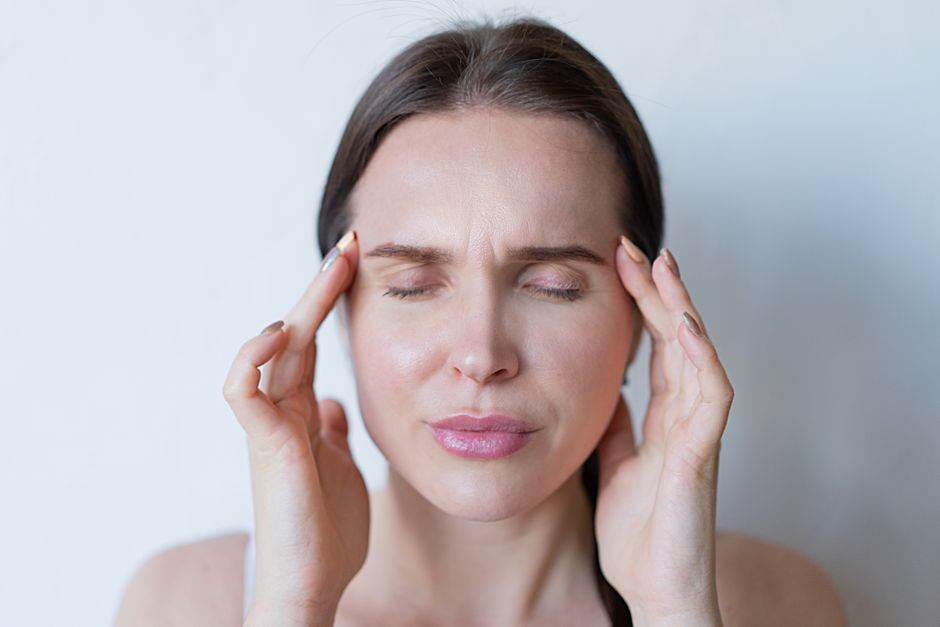
An ice pick headache is a sudden, sharp, stabbing pain in the head that lasts only a few seconds. The medical name is primary stabbing headache, and it is not a sign of a brain tumor or a stroke. These brief jolts of pain can happen once or several times a day, often appearing without any warning.
What Does an Ice Pick Headache Feel Like?
The pain is unmistakable. People describe it as a quick jab, a needle prick, or a sharp stab in the head. It typically lasts between one and ten seconds, though some attacks may linger for a minute or two. The pain is usually felt on the top, front, or sides of the head, and it can move to a different spot with the next attack.
Unlike migraines, ice pick headaches do not come with nausea, vomiting, or sensitivity to light and sound. They are brief, intense, and then gone. Many people have just one or two of these jabs in their lifetime, while others experience them in clusters over several weeks.
What Causes Ice Pick Headaches?
The exact cause is not fully understood, but neurologists believe the pain originates from the trigeminal nerve. This is the main sensory nerve in the face and head. A sudden, brief discharge of pain signals from this nerve produces the stabbing sensation. It is not caused by damage to the brain or by a problem with blood vessels.
In most cases, there is no underlying disease. When a person has these headaches with no other medical condition, doctors call it a primary stabbing headache. This is the most common scenario, and it is generally harmless. However, ice pick headaches can also appear alongside other headache disorders, particularly migraine.
Some research suggests that up to 40 percent of people with migraine also experience ice pick headaches. In these cases, the stabbing pain may occur just before or during a migraine attack. It can also happen between migraines. The connection is not fully clear, but it likely involves shared pathways in the trigeminal nerve system.
Can Other Conditions Trigger These Stabbing Headaches?
Yes, but this is less common. Several medical conditions can produce pain that feels identical to an ice pick headache. This is why a doctor’s evaluation matters. The pain may be a symptom of the underlying condition rather than a primary headache disorder.
Conditions that can cause similar pain include:
- Shingles affecting the head or face, especially before the rash appears
- Inflammation of the arteries in the head, known as temporal arteritis
- Multiple sclerosis, when lesions affect the brainstem
- Certain tumors pressing on nerves, though this is rare
- Meningitis, which causes severe headache with fever and stiff neck
These conditions produce additional symptoms beyond the brief stabbing pain. For example, temporal arteritis causes jaw pain when chewing, scalp tenderness, and vision changes. Meningitis causes fever and neck stiffness. If you have only the brief stabs and nothing else, the likelihood of a serious cause is very low.





When Should You See a Doctor?
Any new or unusual headache deserves medical attention. Even though ice pick headaches are usually harmless, a doctor should confirm the diagnosis. You cannot self-diagnose this condition with certainty, and the consequences of missing a serious cause are significant.
Seek medical care promptly if the stabbing pain is accompanied by any of these warning signs:
- Fever and stiff neck
- Weakness, numbness, or difficulty speaking
- Vision changes or double vision
- Pain that wakes you from sleep
- Headaches that are getting worse over days or weeks
- First headache of this type after age 50
These symptoms may point to a condition that requires urgent treatment. Do not assume a brief stab is automatically an ice pick headache until a professional has evaluated you.
How Are Ice Pick Headaches Diagnosed?
Diagnosis begins with a detailed medical history. Your doctor will ask about the timing, location, and duration of the pain. The key feature is the very short duration of each stab — seconds, not minutes or hours. This alone often points strongly toward primary stabbing headache.
A neurological examination is standard. If the exam is normal and your history fits the pattern, no further testing may be needed. Imaging, such as an MRI or CT scan, is not always required. Your doctor may order imaging if the headache pattern is unusual, if you have other neurological symptoms, or if the headaches started after age 50.
Blood tests may be used to check for inflammation if temporal arteritis is suspected. This is more common in older adults. In younger, otherwise healthy people with classic symptoms, extensive testing is rarely necessary.
What Treatments Are Available?
Most people do not need treatment. The attacks are brief and often infrequent. If you have a few stabs per month, the best approach is usually to simply wait for them to pass. They are painful but not harmful.
For people with frequent attacks that interfere with daily life, treatment options exist. The most commonly used medication is indomethacin, a nonsteroidal anti-inflammatory drug (NSAID). Some studies suggest it is effective for primary stabbing headaches, though the evidence base is not large. It is not a daily preventive for everyone; some people take it only when attacks cluster.
Other options sometimes used include:
- Gabapentin, a nerve pain medication
- Melatonin, which some small studies suggest may help
- Certain tricyclic antidepressants, such as amitriptyline
The evidence for these treatments is limited. No large clinical trials have established a clear first-choice therapy for ice pick headaches. What works for one person may not work for another. If your attacks are frequent, a neurologist can help you weigh the options based on your specific situation.
What Makes Ice Pick Headaches Different From Other Headaches?
Duration is the defining feature. Migraines last hours to days. Tension headaches last 30 minutes to several hours. Cluster headaches last 15 minutes to three hours. Ice pick headaches last seconds. This short duration is what separates them from every other common headache type.
Location also differs. Migraines are often one-sided and throbbing. Tension headaches feel like a tight band around the head. Cluster headaches are intensely painful behind one eye. Ice pick headaches can be anywhere on the head, and the location often changes between attacks.
There is also no aura with ice pick headaches. Aura refers to visual disturbances, such as flashing lights or blind spots, that some people experience before a migraine. Ice pick headaches come without warning and leave just as quickly.
Can You Prevent Ice Pick Headaches?
There is no established trigger to avoid. Unlike migraines, which can be triggered by certain foods, stress, or sleep changes, ice pick headaches do not have known dietary or lifestyle triggers. They seem to occur spontaneously.
If you have migraine, managing your migraine may reduce the frequency of ice pick headaches. Since the two conditions are linked, effective migraine prevention can sometimes reduce the stabbing attacks as well. But this is not guaranteed, and no specific prevention strategy exists for primary stabbing headache itself.
Keeping a headache diary can help. Record when the stabs occur, how long they last, and what you were doing at the time. Over weeks or months, patterns may emerge. If you notice a consistent trigger, you can discuss it with your doctor. For most people, however, no pattern appears.
Frequently Asked Questions
Are ice pick headaches a sign of a brain tumor?
No. Ice pick headaches are almost always harmless and unrelated to brain tumors. A brain tumor causes progressive, persistent headaches, not brief stabs lasting seconds.
How long does an ice pick headache last?
Each stab typically lasts one to ten seconds. Some attacks may last up to a minute, but anything lasting hours is not an ice pick headache.
Can stress cause ice pick headaches?
There is no strong evidence that stress directly triggers ice pick headaches. Unlike tension headaches or migraines, these stabs do not have known lifestyle or emotional triggers.
What is the best medication for ice pick headaches?
Indomethacin is the most commonly prescribed medication, but the evidence is limited. No large trials have established a clear best treatment, so a neurologist should guide any medication decision.
