
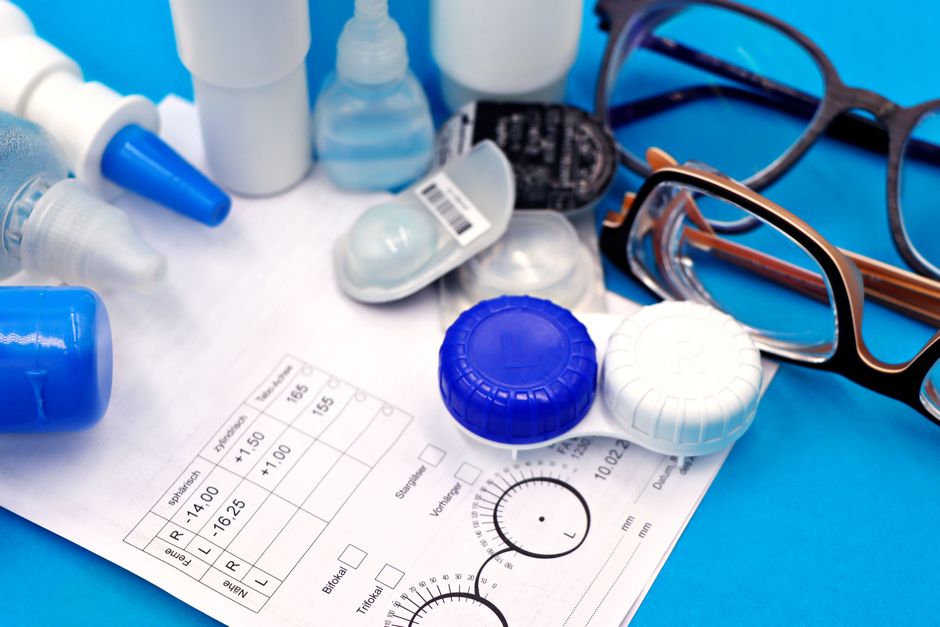
High intraocular pressure (IOP) means the fluid pressure inside your eye is higher than normal. This pressure comes from a clear liquid called aqueous humor, which fills the front part of the eye. When your eye produces this fluid faster than it can drain it, or when the drainage channels become blocked, pressure builds up. Over time, this excess pressure can damage the optic nerve, which is the cable that sends visual information from your eye to your brain. This damage is the core of glaucoma, one of the leading causes of blindness worldwide.
How Does the Eye Maintain Normal Pressure?
Think of the eye like a sink with a faucet running and a drain open. The ciliary body, a structure behind the iris, produces aqueous humor. This fluid nourishes the lens and cornea, which have no blood vessels of their own. After circulating, the fluid exits through a spongy meshwork of tissue located at the angle where the iris meets the cornea.
This drainage angle is critical. If the meshwork — called the trabecular meshwork — becomes clogged or resistant, fluid backs up. The balance between production and drainage determines your pressure reading. A normal reading typically falls between 10 and 21 mmHg, though “normal” varies by person. Some people have pressures above 21 without nerve damage, while others develop damage at pressures below 20.
What Causes High Intraocular Pressure?
The direct cause is always the same: aqueous humor is not draining properly, or it is being produced too quickly. But several underlying conditions and factors lead to that imbalance.
Open-angle glaucoma is the most common form. The drainage angle remains open, but the microscopic channels inside the trabecular meshwork become less efficient over time. The resistance increases gradually, often over years. This is why routine eye exams matter — most people feel no symptoms until significant nerve damage has already occurred.
Angle-closure glaucoma is a different mechanism. Here, the iris bulges forward and physically blocks the drainage angle entirely. This is an emergency. The pressure can spike dangerously within hours, causing severe eye pain, nausea, and blurred vision with halos around lights. This condition requires immediate medical attention.
What Medical Conditions Raise Eye Pressure?
Several health conditions directly influence IOP. Understanding these helps explain why some people develop high pressure and others do not.
- Diabetes: Some research suggests diabetes increases the risk of elevated IOP, though the relationship is complex. High blood sugar can affect the microstructure of the drainage tissue over time.
- High blood pressure: Hypertension can increase the production of aqueous humor in some cases. The connection is not straightforward, but studies have found higher average IOP in people with untreated hypertension.
- Thyroid eye disease: This autoimmune condition causes inflammation and swelling around the eye, which can compress drainage pathways.
- Uveitis: Inflammation inside the eye can produce inflammatory cells that clog the drainage meshwork or cause scarring.
These conditions do not guarantee elevated pressure. They increase risk. Regular monitoring is the practical response, especially if you have one or more of these diagnoses.

Can Medications and Steroids Increase Eye Pressure?
Yes. This is one of the most common reversible causes of high IOP. Corticosteroids — whether taken as eye drops, oral pills, creams applied near the eye, or inhaled forms — can raise pressure in susceptible individuals. Some people are “steroid responders,” meaning their pressure rises significantly with steroid use. This response can develop within weeks of starting treatment.
If you use steroid medications and notice vision changes, tell your doctor. The pressure usually returns to normal after stopping the steroid, but prolonged exposure can cause permanent optic nerve damage. Never stop a prescribed steroid without medical guidance, but do raise the concern with your physician.
Other medications can affect pressure too. Some antidepressants, certain cold medications containing antihistamines, and some bladder control drugs can theoretically influence IOP, particularly in people with narrow drainage angles. Always list your complete medication history during eye exams.
What Lifestyle and Age Factors Matter?
Age is the strongest risk factor for elevated IOP. The drainage system becomes less efficient as we age. The incidence of glaucoma rises significantly after age 60. This is not preventable, but it is detectable through regular screening.
Race and family history also play substantial roles. People of African, Hispanic, and Asian descent have higher rates of glaucoma than Caucasians. Having a sibling or parent with glaucoma roughly doubles to quadruples your risk. These factors are fixed — you cannot change them — but knowing them allows for earlier and more frequent screening.
Physical posture can temporarily raise IOP. Inverting yoga poses, playing wind instruments, or wearing tight neckties can cause brief spikes. These transient increases rarely cause permanent damage in healthy eyes, but people already at risk for glaucoma should be cautious with prolonged inverted positions.
Can Eye Injuries Cause High Pressure?
Yes, trauma can cause both immediate and delayed pressure elevation. A blunt injury can damage the drainage meshwork directly. Blood from internal bleeding can block the channels. In some cases, the pressure rises immediately; in others, it develops months or even years later as scar tissue forms in the drainage pathways.
Chemical injuries and burns can also cause pressure elevation through inflammation and scarring. If you experience any significant eye injury, follow-up exams for months afterward are warranted, even if your vision seems fine. The damage to drainage function can be silent.
What Are the Symptoms of High Eye Pressure?
This is the most dangerous part of the condition: there are usually no symptoms. Chronic elevated IOP does not hurt. It does not make your eyes feel full or pressured. Most people discover they have high pressure only during a routine eye exam with a tonometer — the instrument that measures IOP.
Acute angle-closure glaucoma is the exception. Symptoms come on suddenly and severely:
- Severe eye pain
- Nausea and vomiting
- Sudden blurred vision
- Seeing halos around lights
- Redness in the eye
These symptoms constitute a medical emergency. Permanent vision loss can occur within days if untreated. If you experience these, seek emergency care immediately.
How Is High Eye Pressure Treated?
Treatment aims to lower IOP before the optic nerve sustains damage. The target pressure differs for each person, depending on baseline readings, corneal thickness, and existing nerve damage. Your ophthalmologist sets a specific target for you.
First-line treatment is typically prescription eye drops. These work in one of two ways: reducing fluid production or improving fluid drainage. Common classes include prostaglandin analogs, beta-blockers, alpha agonists, and carbonic anhydrase inhibitors. Many patients require more than one type of drop.
Laser procedures are also effective. Selective laser trabeculoplasty (SLT) uses laser energy to stimulate the drainage meshwork to work more efficiently. It is often used as an adjunct to drops or as initial therapy in some cases. The effect is not permanent and may need repeating.
In more advanced cases, surgical options exist. Trabeculectomy creates a new drainage pathway for fluid. Drainage implants — small tubes placed in the eye — provide an alternative route for fluid outflow. These surgeries carry risks, including infection and low pressure, and are typically reserved for cases where drops and laser are insufficient.
Can Diet or Supplements Lower Eye Pressure?
Some research suggests certain nutrients may support optic nerve health, but no supplement has been proven to meaningfully lower IOP in large clinical trials. The evidence for specific vitamins, minerals, or herbal extracts remains limited or mixed.
One area with some consistency is caffeine. Studies show that drinking caffeinated coffee can cause a temporary increase in IOP lasting one to three hours. For most people, this brief spike is not clinically significant. For those with already elevated pressure or diagnosed glaucoma, moderating caffeine intake may be prudent — but discuss this with your eye doctor before changing habits.
Maintaining a healthy weight and regular exercise may help. Some studies indicate that moderate aerobic exercise can transiently lower IOP. However, certain exercises — particularly those involving head-down positions or heavy lifting with breath-holding — can temporarily raise pressure.
Frequently Asked Questions
Can high eye pressure cause permanent blindness?
Yes, untreated high eye pressure can damage the optic nerve permanently, leading to vision loss and blindness. This damage is irreversible, which is why early detection and treatment are essential.
How often should I get my eye pressure checked?
Adults over 40 should have a comprehensive eye exam every one to two years. If you have risk factors such as diabetes, a family history of glaucoma, or are of African descent, yearly exams are recommended.
Does eye pressure go up and down during the day?
Yes, IOP fluctuates naturally, usually peaking in the early morning hours and reaching its lowest point in the evening. This variation can be significant, which is why a single reading may not capture your true average pressure.
Can drinking water affect eye pressure?
Drinking a large volume of water quickly — a quart or more within minutes — can cause a temporary rise in IOP. Drinking smaller amounts steadily throughout the day does not have this effect.
