
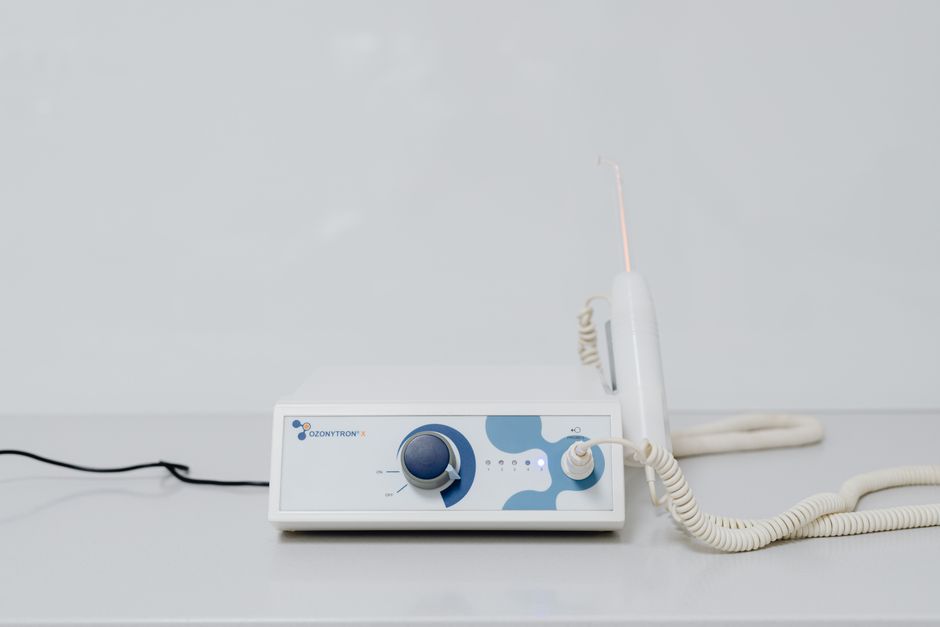
High frequency machines use a mild electrical current through a glass electrode to create a small spark on the skin’s surface. This process generates oxygen and produces a warming effect that some research and many estheticians believe can help reduce the appearance of fine lines. To use one for wrinkles, you apply a conductive layer of product, glide the electrode over the skin for about 5 to 10 minutes, and repeat the treatment 2 to 3 times per week. The goal is to stimulate circulation and encourage cellular turnover, which can improve skin texture over time.
How Does a High Frequency Machine Work on the Skin?
High frequency devices pass an alternating electrical current through a glass tube filled with gas. When the tube touches the skin, it creates a small, controlled discharge that produces oxygen molecules. This process is called oxygenation, and it is the main reason the treatment is used in spas and dermatology offices.
The skin becomes slightly warmer during treatment. That warmth increases blood flow to the area. Better circulation means more oxygen and nutrients reach skin cells, and waste products are removed more efficiently. Over time, this can support the skin’s natural repair processes.
Some clinicians also believe the mild current stimulates fibroblasts, the cells responsible for producing collagen and elastin. Collagen gives skin its firmness, and elastin gives it bounce. As we age, collagen production slows, which leads to wrinkles and sagging. Whether high frequency can meaningfully boost collagen production in humans is not fully proven, but the mechanism is biologically plausible.
What Kind of Wrinkles Can High Frequency Treat?
High frequency is best suited for fine lines and early signs of aging. These are the shallow creases that appear around the eyes, mouth, and forehead. They are usually caused by sun damage, repeated facial expressions, and natural collagen loss.
Deep wrinkles and pronounced creases are less likely to respond to high frequency alone. These wrinkles involve structural changes in the deeper layers of the skin that a surface-level electrical current cannot easily reach. For deep wrinkles, treatments like injectable fillers, laser resurfacing, or prescription retinoids have stronger evidence behind them.
High frequency is also commonly used to treat active acne, because the oxygen produced can help kill acne-causing bacteria. Some people use the device for both acne and wrinkles, but the settings and technique may differ. For wrinkle treatment, the goal is gentle, even coverage across the face.
How To Use A High Frequency Machine For Wrinkles? Step-by-Step
Start with completely clean, dry skin. Remove all makeup, oil, and dirt. Any residue on the skin can interfere with the electrical current and reduce the effectiveness of the treatment.
Apply a thin layer of a conductive product. Many estheticians recommend a serum or gel that contains water or glycerin. Do not use oil-based products, because oils do not conduct electricity well. The product helps the electrode glide smoothly over the skin and prevents the current from feeling too intense.
Turn the device on and set it to the lowest intensity. The glass electrode should be held at a slight angle, with the full surface of the glass touching the skin. Move the electrode in slow, circular motions over each area of the face for 2 to 3 minutes. Do not linger in one spot for too long, as this can cause irritation.
Work through the face in sections: forehead, then each cheek, then the jawline and chin. The area around the eyes requires special care. Use a smaller electrode designed for the eye area and keep the intensity low. Keep the electrode moving and never hold it in one place near the eyes.
Total treatment time should be 5 to 10 minutes. When you are finished, turn the device off before removing the electrode from your skin. Rinse your face with lukewarm water and apply a moisturizer or serum.
Clean the glass electrode with alcohol after every use. This prevents bacteria from building up on the glass and transferring to your skin.





How Often Should You Use It?
Most manufacturers and estheticians recommend using a high frequency machine 2 to 3 times per week. Daily use is generally not necessary and may increase the risk of skin irritation.
Results are not immediate. You may notice a temporary glow after the first treatment because of increased circulation. Visible improvement in fine lines typically takes several weeks of consistent use. Some small studies and clinical observations suggest that 6 to 8 weeks of regular treatment can produce noticeable changes in skin texture, but individual results vary.
If you have sensitive skin, rosacea, or a history of skin reactions, start with once per week. Monitor how your skin responds before increasing frequency. If you experience redness, burning, or peeling that lasts more than a few hours, stop using the device and consult a dermatologist.
Who Should Not Use a High Frequency Machine?
High frequency is generally considered safe for most healthy adults when used according to instructions. However, certain people should avoid it entirely.
Do not use high frequency if you are pregnant. No clinical guidelines exist for this population, and the effect of electrical currents on pregnancy has not been adequately studied. Most manufacturers advise against use during pregnancy as a precaution.
Avoid high frequency if you have a pacemaker, defibrillator, or any implanted electrical device. The current can interfere with these devices and cause serious complications.
Do not use the device over areas of skin that are broken, infected, or healing from surgery. The spark can delay healing and increase the risk of infection. People with epilepsy, metal implants near the treatment area, or a history of skin cancer should also avoid this treatment unless a doctor has approved it.
What Does the Evidence Actually Say?
The evidence for high frequency treatment on wrinkles is limited. Most of the support comes from clinical observations and small studies, not large randomized controlled trials. Some research suggests that the oxygenation and thermal effects can improve skin tone and reduce fine lines, but the quality of this research is modest.
One of the challenges is that high frequency devices vary widely in quality and intensity. A professional device used in a dermatology office may deliver a stronger, more consistent current than an at-home device. This means results from professional treatments may not transfer to home use.
It is also important to distinguish high frequency from other energy-based skin treatments. Radiofrequency devices, for example, heat the deeper layers of the skin to stimulate collagen production. High frequency works more superficially. The two are often confused because both use electrical currents, but they target different depths and have different evidence bases.
No clinical evidence currently confirms that high frequency alone can eliminate wrinkles. It is better understood as a supportive treatment that may improve skin quality when combined with a solid skincare routine that includes sunscreen, moisturizer, and proven anti-aging ingredients like retinoids or vitamin C.
Risks and Side Effects
High frequency is generally low-risk when used properly. The most common side effects are mild redness and warmth that fade within a few minutes to an hour.
More serious side effects are rare but possible. Holding the electrode in one spot for too long can cause a burn. Using the device on broken or irritated skin can worsen inflammation. If the intensity is set too high, the spark can be uncomfortable and may damage the skin barrier.
Choose a device with adjustable intensity levels and start at the lowest setting. Follow the manufacturer’s instructions exactly. If a device does not come with clear instructions, that is a sign it may not be a quality product.
Buying a high frequency device is a purchase that should be made carefully. Look for devices from established brands with customer support and clear safety documentation. Avoid cheap devices with no instructions or certification marks. The glass electrodes should be replaceable, because they can break or become contaminated over time.
Alternatives to High Frequency for Wrinkles
If you are looking for proven treatments for wrinkles, several options have stronger evidence than high frequency.
Topical retinoids are the most well-studied option for reducing fine lines. They work by increasing cell turnover and stimulating collagen production. Prescription-strength tretinoin has the most evidence, but over-the-counter retinol is also effective at lower potency.
Vitamin C serums are well-established for antioxidant protection and can help brighten the skin. They do not directly erase wrinkles, but they can improve overall skin tone and prevent further sun damage.
Sunscreen is the single most important anti-aging product. Most visible wrinkles are caused by sun exposure, not aging itself. Daily use of a broad-spectrum sunscreen with SPF 30 or higher is the most effective way to prevent new wrinkles from forming.
In-office treatments like microneedling, chemical peels, and laser therapy have stronger clinical evidence for wrinkle reduction than home devices. These treatments are performed by professionals and can target deeper layers of the skin.
Frequently Asked Questions
Can high frequency machines remove wrinkles permanently?
No. High frequency treatment can improve the appearance of fine lines, but the effects are temporary and require ongoing use to maintain. Wrinkles will continue to form as part of the natural aging process.
Is a high frequency machine safe to use around the eyes?
Yes, but only with a smaller electrode designed for the eye area and at the lowest intensity setting. Keep the electrode moving and never hold it in one spot near the eyes. If you feel any discomfort, stop immediately.
How long until I see results from a high frequency machine?
You may notice a temporary glow after the first treatment, but visible improvement in fine lines typically takes 6 to 8 weeks of consistent use. Results vary by individual and depend on the quality of the device and your skincare routine.
Can I use a high frequency machine if I have acne and wrinkles?
Yes. High frequency can address both concerns, but the technique differs. For acne, the electrode is often held slightly above the skin to create a stronger spark. For wrinkles, the electrode glides directly on the skin at a lower intensity.
