
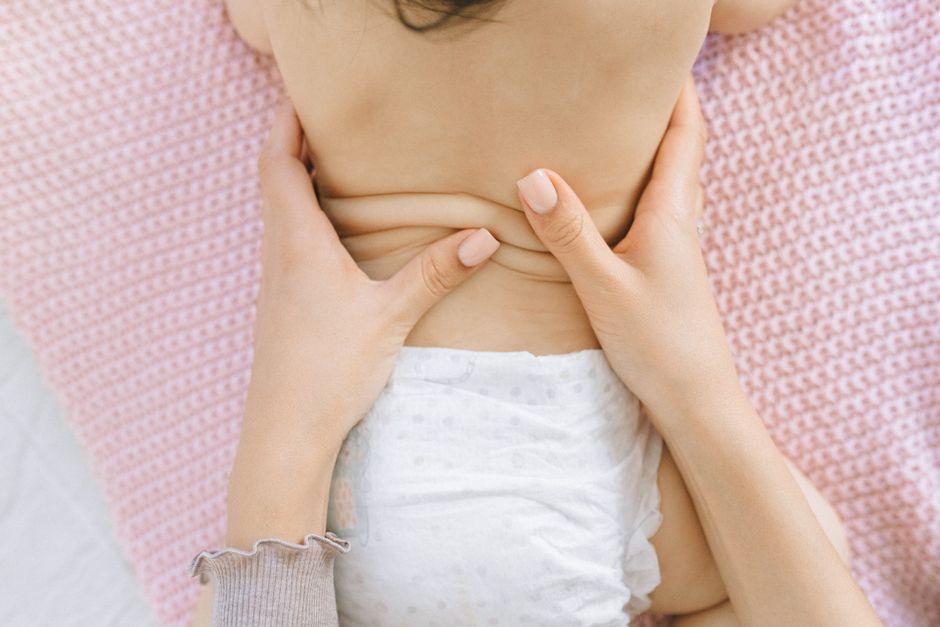
Newborn hiccups are one of the most common things parents see in the first few months, and they are almost always harmless. They happen because a baby’s diaphragm — the dome-shaped muscle below the lungs — suddenly tightens and then relaxes, causing a quick intake of air that snaps the vocal cords shut. That snap is the “hic” sound. In newborns, this reflex is easily triggered by normal feeding and digestion, so frequent hiccups are typically a sign of a developing nervous system, not a problem.
Why Do Newborns Get Hiccups So Often?
Babies get hiccups more often than older children and adults. The main reason is that their nervous system is still maturing. The nerve that controls the diaphragm, called the phrenic nerve, is still learning to send smooth, steady signals. Until that system matures, the diaphragm can spasm easily.
Hiccups are also more common in newborns because of how they eat. They swallow air along with milk. A full stomach pushes up against the diaphragm, which can trigger those spasms. This is a normal part of feeding, not a sign that something is wrong.
Some babies even get hiccups while still in the womb. Many mothers feel rhythmic, pulsing movements late in pregnancy that turn out to be fetal hiccups. This is normal development of the baby’s breathing muscles before birth.
What Causes Hiccups On Newborn After Feeding?
The most common trigger for newborn hiccups is a recent feeding. When a baby drinks, the stomach expands quickly. That expansion can irritate the diaphragm, which sits right above the stomach. The irritation causes the diaphragm to contract in quick, jerky bursts.
Swallowing air during feeding makes this worse. Babies who gulp quickly, have a fast let-down from the breast, or drink from a bottle with too fast a flow tend to swallow more air. More air in the stomach means more pressure on the diaphragm.
Overfeeding can also play a role. A stomach that is stretched fuller than it needs to be is more likely to push against the diaphragm. This is not dangerous, but it explains why hiccups often appear right after a meal or during a burping session.
Are Newborn Hiccups Ever Dangerous?
No. Routine hiccups in a healthy newborn are not dangerous and do not cause pain. They do not interfere with breathing, and they do not harm the baby. A baby can hiccup for several minutes at a time and remain perfectly comfortable.
The only time hiccups deserve attention is when they are part of a larger pattern. If a baby has hiccups along with frequent vomiting, forceful spit-up, arching of the back, or visible distress during feeds, those symptoms may point to gastroesophageal reflux disease, or GERD. Hiccups alone are not a sign of GERD. But hiccups combined with those other signs should be discussed with a pediatrician.
Very rarely, persistent hiccups can be linked to underlying conditions that affect the nervous system. However, in a baby who is feeding well, gaining weight, and otherwise acting normally, isolated hiccups are a normal reflex, not a warning sign.




How Long Do Newborn Hiccups Last?
Most newborn hiccup episodes last between a few seconds and a few minutes. Some babies hiccup several times a day. Others only hiccup occasionally. Both patterns are normal.
Hiccups tend to become less frequent as a baby grows. By the time most infants are several months old, their nervous system has matured enough that the diaphragm responds more smoothly. The hiccups do not stop entirely — adults still get them — but they become less frequent and less easily triggered.
What Should Parents Do When a Newborn Has Hiccups?
In most cases, the best response is to do nothing. Hiccups stop on their own. Picking the baby up and holding them upright for a few minutes can help, especially if the hiccups started right after a feeding. Gravity helps take pressure off the diaphragm.
If the baby is in the middle of a feeding when hiccups start, a short pause can help. Sit the baby upright and give them a gentle burp. Let the stomach settle for a few minutes before offering more milk.
Some parents find that offering a pacifier helps. Sucking can reset the breathing rhythm and relax the diaphragm. There is no strong research proving this works in newborns, but it is a safe and reasonable thing to try.
What Not to Do for Newborn Hiccups
Many old remedies for hiccups are not safe for babies. Never startle a newborn to stop hiccups. Never pull on their tongue, press on their eyeballs, or scare them. These methods are unsafe and unnecessary.
Do not give a newborn water, gripe water, or any home remedy without checking with a pediatrician first. Water can be dangerous for young infants because it can interfere with their electrolyte balance. Gripe water is not regulated as a medicine, and its ingredients vary widely by brand. No solid evidence confirms that it stops hiccups.
Do not try to stop hiccups by holding the baby upside down or by covering their nose and mouth. These actions carry real risks and offer no benefit. The hiccups will end on their own.
When Should Parents Call the Doctor?
Call a pediatrician if hiccups are paired with other symptoms. These include:
- Frequent forceful vomiting after feeds
- Blood or bile in spit-up
- Arching of the back during or after feeding
- Refusing to feed or poor weight gain
- Breathing difficulties or a bluish color around the lips
Hiccups alone, even if they happen daily, are not a reason to call. But if something feels off, parents should trust that instinct. A quick call to the pediatrician’s office can provide peace of mind.
Do Hiccups Bother the Baby?
Most babies do not seem bothered by hiccups at all. Many continue sleeping, feeding, or looking around while hiccuping. Some babies do appear mildly annoyed, but there is no evidence that hiccups cause pain in newborns.
Parents often feel more distressed by the hiccups than the baby does. That is understandable — the jerky movement looks uncomfortable. But the baby’s calm behavior is a good clue that hiccups are a passing reflex, not a source of distress.
Frequently Asked Questions
Can newborn hiccups cause choking or breathing problems?
No. Hiccups do not block the airway or interfere with breathing. They are a reflex of the diaphragm and are not dangerous.
Should I stop feeding my baby to get rid of hiccups?
You can pause the feeding and hold the baby upright for a few minutes. This often helps settle the stomach and stop the hiccups.
Do hiccups mean my baby is overfed?
Not necessarily. Hiccups can happen after any feeding, even a small one. Overfeeding can trigger them, but so can swallowing air or normal digestion.
When do newborn hiccups stop happening so often?
Most babies hiccup less frequently by the time they are a few months old. As the nervous system matures, the diaphragm becomes less easily triggered.
