
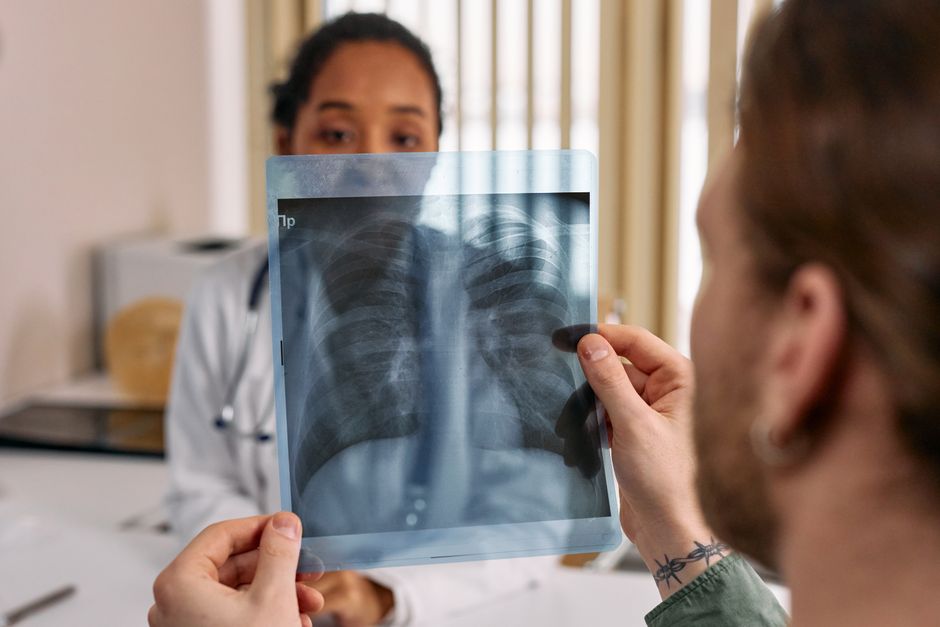
Fluid on the lungs in the elderly is almost always a sign of an underlying medical problem, not a standalone condition. In most cases, it is caused by heart failure, where the heart cannot pump blood efficiently enough, causing pressure to build up and fluid to leak into the air sacs. Other common causes include pneumonia, kidney failure, and certain types of cancer. Because the causes range from treatable infections to chronic organ conditions, identifying the exact trigger quickly is essential for effective treatment.
What Is Fluid On The Lungs?
Fluid on the lungs, medically known as pulmonary edema, means fluid has collected in the air sacs of the lungs. Normally, these sacs fill with air when you breathe. When fluid takes their place, oxygen has a harder time reaching the bloodstream.
This is different from a pleural effusion, which is fluid that collects in the space around the lungs, outside the lung tissue itself. Both can cause shortness of breath, but they are separate conditions with different causes and treatments. For this article, “fluid on the lungs” refers to pulmonary edema.
In older adults, the lungs and heart change with age. The heart muscle can become stiffer, and the lungs lose some elasticity. These normal changes make older bodies less able to compensate for stress, which is why fluid on the lungs appears more often in this age group.
What Causes Fluid On The Lungs In The Elderly?
Heart failure is the leading cause of fluid on the lungs in older adults. When the left side of the heart weakens or stiffens, it cannot pump blood forward effectively. Blood backs up into the veins of the lungs, and pressure forces fluid out of the blood vessels and into the air sacs.
This is often called congestive heart failure. It does not mean the heart has stopped. It means the heart’s pumping action is weaker than it should be. Many older adults live with heart failure for years, but flare-ups can cause sudden fluid accumulation.
Not all causes involve the heart. Other significant causes include:
- Pneumonia — Infection causes inflammation in the lungs, and that inflammation can leak fluid into the air sacs.
- Kidney failure — The kidneys normally remove extra fluid from the body. When they fail, fluid builds up in the bloodstream and can back up into the lungs.
- Acute respiratory distress syndrome (ARDS) — A severe injury or infection triggers widespread inflammation that damages the lung’s lining, causing leakage.
- Lung cancer — Tumors can block lymphatic drainage or cause inflammation that leads to fluid accumulation.
- Pulmonary embolism — A blood clot in the lung can strain the right side of the heart and cause fluid to leak.
Certain medications, including some used for high blood pressure or arthritis, can also contribute to fluid retention. High altitude exposure is a rare cause. In some cases, the cause is a combination of factors, such as a person with mild heart failure who develops pneumonia.
What Are The Symptoms Of Fluid On The Lungs?
Symptoms can appear suddenly or build up slowly over days. In the elderly, the first sign is often shortness of breath with activity. As the condition worsens, breathing becomes difficult even at rest.
Common symptoms include:
- Shortness of breath that worsens when lying flat
- Waking up at night gasping for air
- A feeling of suffocation or drowning
- Coughing that produces frothy, pink-tinged sputum
- Wheezing or a crackling sound in the chest
- Rapid weight gain from fluid retention
- Swelling in the legs and ankles
- Confusion or restlessness, which can result from low oxygen levels
In older adults, confusion or unusual drowsiness can be the only noticeable symptom. This happens because the brain is very sensitive to low oxygen levels. Family members may mistake these signs for fatigue or age-related memory changes, delaying care.
If an older person suddenly cannot catch their breath, or if breathing problems are accompanied by chest pain or bluish lips or fingers, call for emergency help. This is a medical emergency.





How Is Fluid On The Lungs Diagnosed?
Doctors usually start with a physical exam. They listen to the lungs with a stethoscope. Fluid produces a distinctive crackling sound that trained ears can detect. They also check for swelling in the legs and listen to the heart for abnormal rhythms or sounds.
A chest X-ray is the fastest way to confirm fluid on the lungs. It shows the fluid as white areas where the lungs should appear dark. An ultrasound of the heart, called an echocardiogram, can show how well the heart is pumping and whether heart failure is the cause.
Blood tests help identify contributing factors. They can check for signs of a heart attack, measure kidney function, and detect infection. A blood test called B-type natriuretic peptide (BNP) is particularly useful. High levels strongly suggest heart failure is causing the fluid.
In some cases, a CT scan gives a more detailed view. If the doctor suspects an infection, they may take a sputum sample to identify the bacteria. The diagnostic process is usually quick because treatment depends on knowing the cause.
How Is Fluid On The Lungs Treated?
Treatment has two goals: remove the fluid and treat the underlying cause. Oxygen therapy is usually the first step. Extra oxygen helps maintain blood oxygen levels while other treatments take effect.
Diuretics, commonly called water pills, are the main treatment for removing fluid. These medications tell the kidneys to expel more salt and water through urine. This reduces the total fluid in the body, which relieves pressure on the lungs. Furosemide is the most commonly used diuretic for this purpose and is typically given intravenously in hospital settings.
If heart failure is the cause, additional heart medications may be used. These can include drugs that strengthen the heart’s pumping action, relax blood vessels, or slow the heart rate to improve efficiency. For kidney failure, dialysis may be necessary to filter excess fluid from the blood.
Pneumonia is treated with antibiotics. A pulmonary embolism requires blood thinners. Cancer-related fluid may respond to chemotherapy, radiation, or surgical drainage. The specific treatment plan depends entirely on the underlying diagnosis.
Most people with significant fluid on the lungs require hospital care. This allows close monitoring of oxygen levels, fluid balance, and response to medications. Hospitalization also lets doctors adjust treatments quickly if the condition changes.
Can Fluid On The Lungs Be Prevented?
Prevention focuses on managing the underlying conditions that cause fluid to accumulate. For people with heart failure, this means taking medications exactly as prescribed, following a low-sodium diet, and monitoring weight daily. A sudden weight gain of two to three pounds in a day often signals fluid buildup before breathing symptoms appear.
For people with kidney disease, staying on schedule with dialysis and following fluid restrictions is critical. Controlling blood pressure helps protect both the heart and kidneys. Annual flu and pneumonia vaccines reduce the risk of lung infections that can trigger fluid accumulation.
Regular medical follow-up is the most important preventive step. Older adults with chronic conditions should have scheduled visits with their doctor, not just visits when symptoms flare. These visits allow for medication adjustments and early detection of problems before they become emergencies.
What Is The Outlook For Elderly People With Fluid On The Lungs?
The outlook depends on the cause and how quickly treatment begins. Fluid from pneumonia often resolves fully with antibiotics and supportive care. Fluid from heart failure can be managed long-term, but it usually signals a chronic condition that will require ongoing treatment.
For many older adults, treatment successfully removes the fluid and improves breathing. The person returns to their previous level of function. In other cases, particularly when the cause is advanced heart failure or late-stage cancer, the prognosis is more guarded.
Age itself is not the main factor in outcomes. A person’s overall health, the specific cause, and how quickly they receive care matter more. An 85-year-old with pneumonia-related fluid who gets prompt treatment can do very well. A 65-year-old with advanced heart failure may face more challenges.
Some research suggests that early treatment improves outcomes significantly. Delaying care allows more fluid to accumulate and puts more strain on the heart and lungs. This is why acting on the first signs of breathing difficulty is so important.
Frequently Asked Questions
Can fluid on the lungs in the elderly be cured?
It can be treated and often fully resolved if the underlying cause is reversible, such as pneumonia. When the cause is chronic heart failure, the fluid can be managed but the underlying condition remains.
How long can an elderly person live with fluid on the lungs?
Survival depends entirely on the cause and overall health, so no reliable timeline exists. Some people recover fully in days, while others with advanced heart failure face a shortened life expectancy.
Is fluid on the lungs painful for elderly patients?
Fluid itself does not directly cause pain, but it causes severe shortness of breath that many describe as frightening. Chest pain can occur if the underlying cause is a heart attack or pulmonary embolism.
What is the fastest way to remove fluid from the lungs?
Intravenous diuretics are the fastest medical treatment, often producing significant fluid removal within hours. Oxygen therapy helps relieve symptoms while the diuretics work.
