
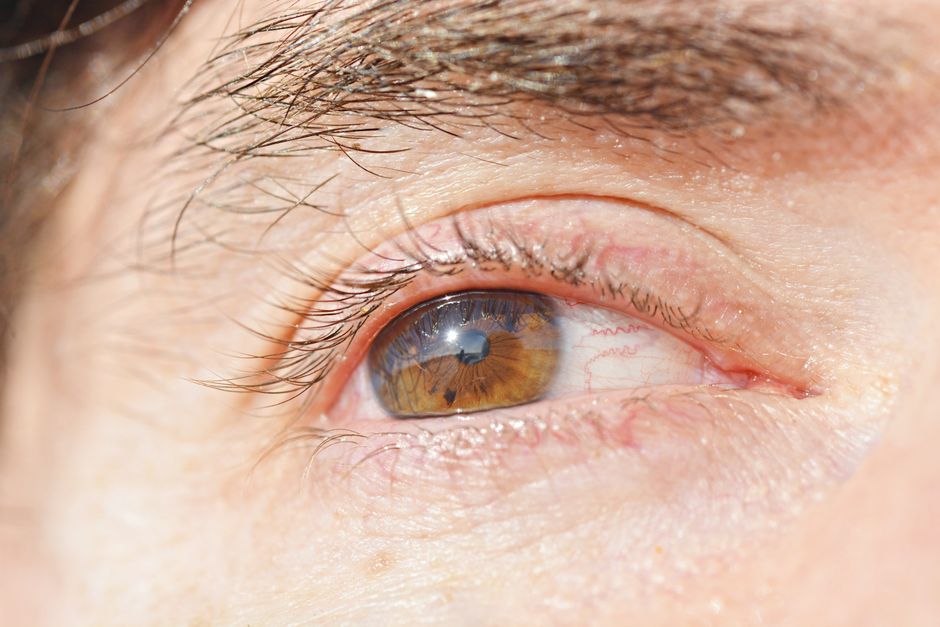
An eye nodule is a lump, bump, or swelling that forms on the eyelid or around the eye. The most common causes range from a blocked oil gland, known as a stye or chalazion, to more serious infections and rare growths. Understanding the difference matters because treatment depends entirely on what the nodule actually is. Most nodules are benign and treatable, but some require medical attention to prevent complications.
What Causes Eye Nodules From Styes To Infections?
The causes of eye nodules fall into a few clear categories. The most frequent is a blocked meibomian gland, which produces the oil layer of your tears. When this gland clogs, oil builds up and forms a firm lump called a chalazion. A stye, medically known as a hordeolum, is different — it is an acute infection of the eyelash follicle or a nearby gland, usually caused by Staphylococcus bacteria.
Infections beyond styes can also create nodules. Bacterial infections like preseptal cellulitis cause spreading eyelid swelling rather than a single lump. Viral infections, including molluscum contagiosum and herpes simplex, can produce small raised bumps on the eyelid margin. Fungal infections are rare but possible, particularly in people with weakened immune systems.
Less common causes include sebaceous gland carcinoma, a rare but serious eyelid cancer that can mimic a recurring chalazion. Cysts, such as epidermoid or pilar cysts, form when skin cells become trapped under the surface. Xanthelasma are flat, yellowish cholesterol deposits that appear on the eyelids, often linked to high blood lipids.
How Can You Tell a Stye From a Chalazion?
A stye is typically painful, red, and tender to the touch. It looks like a pimple on the eyelid margin and often has a small yellow center filled with pus. Styes usually develop over a few days and may cause the entire eyelid to swell.
A chalazion is usually painless or only mildly uncomfortable. It feels like a firm, round lump deeper in the eyelid, often farther from the edge. Chalazia form more slowly, over weeks, and tend to grow larger than styes. They do not have a pus-filled center unless they become secondarily infected.
Both conditions arise from the same general problem: blockage of oil-producing glands in the eyelid. The distinction matters because a stye is an active infection requiring different care than a chalazion, which is primarily an inflammatory response to trapped oil.
What Are the Symptoms of an Eye Nodule?
Symptoms vary by cause but commonly include:
- A visible bump on the upper or lower eyelid
- Redness and swelling of the eyelid tissue
- Pain, tenderness, or a gritty sensation in the eye
- Excessive tearing or blurred vision if the nodule presses on the eye
- Crusting along the eyelid margin, especially in the morning
Some nodules cause no symptoms at all beyond their appearance. A chalazion may grow large enough to distort the shape of the eye and cause mild astigmatism, which can blur vision. This happens when the lump presses against the cornea, the clear front surface of the eye.
Red flags that require prompt medical evaluation include sudden vision changes, severe pain, spreading redness across the cheek or forehead, fever, or a nodule that bleeds, ulcerates, or fails to resolve after several weeks of home care.



How Are Eye Nodules Treated?
For a simple stye or chalazion, warm compresses are the first-line treatment. Applying a clean cloth soaked in warm water to the closed eyelid for 10 to 15 minutes, three to four times daily, can soften the blocked oil and encourage drainage. Gentle massage of the nodule toward the eyelid margin after compressing may help. Most styes drain on their own within a week. Chalazia may take several weeks to a few months to fully resolve.
Over-the-counter pain relievers like acetaminophen or ibuprofen can manage discomfort. Antibiotic ointments are sometimes prescribed for styes, but they are not always necessary because styes often resolve without them. Never attempt to pop or squeeze an eye nodule. This can spread infection deeper into the eyelid or orbit, the bony cavity that holds the eye, which is a serious complication.
If a chalazion does not improve with conservative care, an eye doctor may recommend a steroid injection into the nodule to reduce inflammation or incision and drainage, a minor in-office procedure. Recurring chalazia in the same spot warrant biopsy to rule out sebaceous gland carcinoma, especially in older adults.
What Infections Cause Eye Nodules Besides Styes?
Preseptal cellulitis is an infection of the eyelid and surrounding skin, not a discrete nodule. It causes diffuse swelling, redness, warmth, and pain. It is usually bacterial, often stemming from a wound, insect bite, or spread from a stye or sinus infection. Oral antibiotics are typically effective.
Orbital cellulitis is a more dangerous infection behind the eye’s orbital septum. It causes proptosis (bulging eye), pain with eye movement, double vision, and vision loss. This is a medical emergency requiring intravenous antibiotics and sometimes surgery. It is more common in children than adults.
Molluscum contagiosum is a viral infection that produces small, dome-shaped, pearly bumps with a central dimple. On the eyelid, these bumps can shed virus into the eye and cause chronic conjunctivitis, or pink eye. The bumps often resolve on their own but may require removal if they persist or irritate the eye.
Herpes simplex virus can cause vesicular lesions on the eyelid — small fluid-filled blisters that crust over. These are painful and recurrent. Antiviral medications shorten outbreaks and reduce recurrence.
When Should You See a Doctor?
See a doctor if an eye nodule does not improve after two weeks of warm compresses, if it grows rapidly, or if you have any of the red flag symptoms mentioned earlier. People with recurrent styes or chalazia may have an underlying condition such as blepharitis, chronic inflammation of the eyelid margins, or rosacea, a skin condition that affects the face and eyes.
People with diabetes, weakened immune systems, or a history of skin cancer should have any new eyelid nodule evaluated promptly. A nodule that keeps returning in the exact same spot after treatment is a particular concern. Some studies suggest that sebaceous gland carcinoma, though rare, is frequently misdiagnosed as a chalazion initially. Persistent or recurring lesions in the same location deserve biopsy.
An eye care professional can distinguish between benign and concerning nodules using a slit lamp, a specialized microscope that provides a detailed view of the eyelid and eye. In some cases, imaging or a biopsy is needed to confirm the diagnosis.
Can Eye Nodules Be Prevented?
Good eyelid hygiene reduces the risk of styes and chalazia. Washing your hands before touching your eyes, removing eye makeup thoroughly before sleep, and replacing old cosmetics are basic preventive steps. For people prone to recurrent nodules, daily eyelid scrubs with a mild cleanser and warm compresses can keep oil glands open.
Managing underlying conditions like blepharitis and rosacea is important. Treating dandruff, which can contribute to eyelid inflammation, may also help. Some evidence supports the use of warm eye masks and omega-3 fatty acid supplements for improving meibomian gland function, though results vary and large trials are limited.
There is no way to completely prevent all eye nodules. Some causes, like viral infections and certain cysts, are not related to hygiene. What prevention exists focuses on reducing the common gland-blockage pathway that leads to styes and chalazia.
Frequently Asked Questions
Can an eye nodule be cancer?
Yes, but it is rare. Sebaceous gland carcinoma is a serious eyelid cancer that can look like a chalazion that keeps coming back in the same spot.
How long does an eye nodule last?
A stye usually drains within a week, while a chalazion can take weeks to months to fully resolve even with warm compresses.
Is it safe to pop a stye?
No. Squeezing a stye can push bacteria deeper into the eyelid or orbit and cause a severe infection that requires emergency treatment.
Are eye nodules contagious?
Most are not. Styes and chalazia are not contagious, but viral infections like molluscum contagiosum and herpes simplex can spread to other people through direct contact.
