
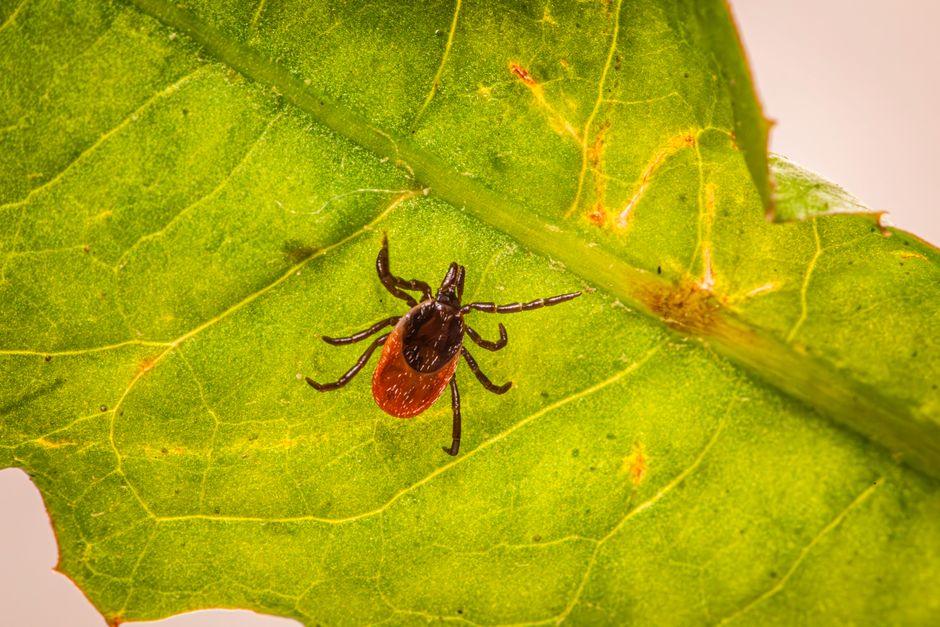
A colonoscopy can detect some intestinal parasites, but it is not designed for that purpose. Parasites are usually found through stool sample testing, not through a colonoscopy. If a large parasite or its segments are present in the colon during the exam, your doctor might notice them, but a negative colonoscopy does not rule out a parasitic infection.
How does a colonoscopy work for detecting parasites?
A colonoscopy uses a flexible camera to look at the lining of your colon and rectum. The exam is done to screen for colon cancer, polyps, and other conditions. During the procedure, the doctor can see the inner surface of the colon clearly after you take a laxative preparation to clear out stool.
If a parasite is large enough—such as a tapeworm segment, a roundworm, or a whipworm—it may be visible on the colon wall or in the liquid left inside the colon. Some parasites attach to the lining, while others move freely in the colon contents. The doctor may notice them and take a biopsy or photograph. But this is a chance finding, not the goal of the exam.
The preparation itself can flush out many small parasites or eggs, so they may no longer be present during the colonoscopy. That is why stool tests remain the standard method for detection.
Which parasites can a colonoscopy detect?
Colonoscopy can detect larger parasites that live in the colon or rectum. Tapeworm segments (proglottids) are often white, flat, and about the size of a grain of rice—they may be seen during the exam. Roundworms like Ascaris lumbricoides can grow 6 to 12 inches long and may be visible. Whipworms (Trichuris trichiura) are smaller, about 1 inch long, but still potentially visible if many are attached to the colon wall.
Pinworms (Enterobius vermicularis) are tiny (about ¼ inch) and usually live in the rectum or around the anus. They are rarely seen during a colonoscopy because they move away or are washed out during preparation. The standard test for pinworms is the “tape test” using clear adhesive tape in the morning.
Microscopic parasites such as Giardia and Cryptosporidium are too small to be seen with the naked eye during a colonoscopy. They require stool microscopy or antigen testing for detection.
Why is stool testing better for parasite detection?
Stool testing is the established, evidence-based method for diagnosing intestinal parasites. A routine ova and parasite (O&P) exam looks at your stool under a microscope for eggs, larvae, and adult parasites. Because parasites shed eggs intermittently, multiple samples on different days are often needed to find them.
Colonoscopy misses microscopic organisms entirely. It also cannot reliably detect most parasites because the preparation clears them out, and the exam only visualizes the surface of the colon, not the entire gastrointestinal tract. Parasites can live in the small intestine, stomach, or bile ducts—areas a colonoscopy does not reach.
For someone with symptoms of parasitic infection—such as chronic diarrhea, abdominal pain, weight loss, or anal itching—a doctor will typically order stool tests first. A colonoscopy is only considered if stool tests are negative and symptoms persist, or if another condition like inflammatory bowel disease is suspected.





What symptoms might suggest a parasite infection?
Symptoms of intestinal parasites vary widely. Common signs include diarrhea that lasts more than a few days, loose stools that may be foul-smelling or contain mucus, stomach cramps, bloating, nausea, and unexplained weight loss. Anal itching is a classic symptom of pinworms, especially at night.
Some people have no noticeable symptoms, especially if the infection is mild. Others develop anemia or nutritional deficiencies if the parasite absorbs nutrients. A tapeworm infection can cause vitamin B12 deficiency, though this is rare in the United States.
None of these symptoms are specific to parasites. Many conditions, including irritable bowel syndrome, celiac disease, and infections from bacteria or viruses, can cause similar symptoms. That is why lab testing is important—it is not possible to diagnose a parasitic infection based on symptoms alone.
When should you specifically test for parasites?
Testing for parasites is appropriate when you have persistent gastrointestinal symptoms and a clear exposure risk. Exposure risks include recent travel to regions with poor sanitation, drinking untreated water from lakes or streams, contact with young children in daycare settings (for pinworms), or living in crowded institutions. Eating undercooked pork, beef, or freshwater fish can also transmit certain parasites.
If you have bloody diarrhea, high fever, or severe dehydration, seek medical care immediately. These symptoms are more often caused by bacteria or viruses, but a parasitic infection can sometimes be serious.
If you are concerned about parasites but have no symptoms, routine testing is not recommended. Stool tests are not part of a standard annual physical. The decision to test should be based on symptoms and exposure history, discussed with your doctor.
Can a colonoscopy miss parasites?
Yes, a colonoscopy can miss parasites—often. This is the most important point to understand. The procedure is not designed to look for parasites, and it only examines the colon, not the small intestine where many parasites live. The bowel preparation flushes out eggs, larvae, and small parasites, so even if they were present, they may be gone by the time of the exam.
A negative colonoscopy does not rule out a parasitic infection. If you still have symptoms, you need stool tests. Relying solely on a colonoscopy to check for parasites gives a false sense of reassurance. Always discuss any ongoing symptoms with your doctor and ask about appropriate testing.
Can a colonoscopy detect other causes of digestive symptoms?
Yes, that is what a colonoscopy is designed for. It can detect polyps, colon cancer, inflammation from Crohn’s disease or ulcerative colitis, and diverticulosis. It can also help diagnose chronic diarrhea by revealing signs of microscopic colitis—a condition that requires biopsies for diagnosis, even if the colon lining looks normal.
But a colonoscopy cannot diagnose conditions like irritable bowel syndrome, celiac disease, or small intestinal bacterial overgrowth. Those require other tests. If you have digestive symptoms, your doctor will choose the most appropriate test based on your specific history and risk factors.
Frequently Asked Questions
Can a colonoscopy detect parasites in all parts of the digestive system?
No. A colonoscopy only examines the colon and rectum. It cannot see the small intestine, stomach, or esophagus, where many parasites live.
How accurate is a colonoscopy for finding worms?
It is not very accurate. Large worms like tapeworm segments or adult roundworms may be seen by chance, but most parasites and their eggs are too small or get flushed out during the preparation.
Should I get a colonoscopy if I think I have parasites?
No. Start with a stool test. A colonoscopy is not recommended for parasite screening and would likely miss them. Your doctor will guide the proper testing.
What is the best test to detect parasites?
Stool microscopy for ova and parasites (O&P) is the standard test. Often three samples on separate days are needed for best accuracy. Antigen tests are also available for specific parasites.
