
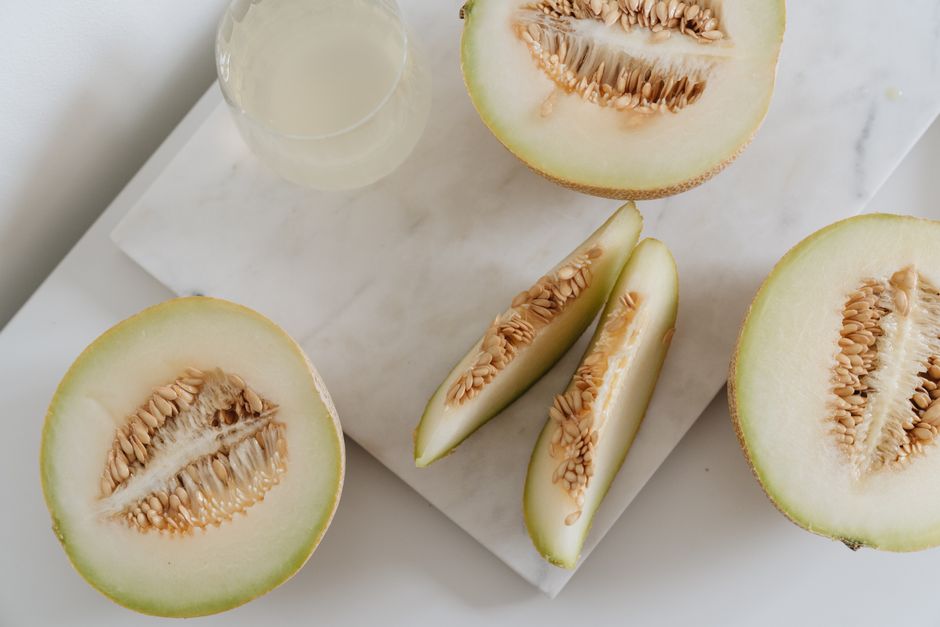
Cantaloupe is a nutritious melon packed with vitamins, minerals, and water. It supports hydration, immune function, eye health, and heart health. The fruit is low in calories and contains important antioxidants like beta-carotene and vitamin C.
What Nutrients Are in Cantaloupe?
Cantaloupe is rich in several key nutrients. A one-cup serving (about 160 grams) provides more than 100% of the daily value for vitamin A, mostly as beta-carotene. It also supplies about 50% of the daily value for vitamin C. The same serving contains around 427 mg of potassium — more than a medium banana — and smaller amounts of folate, vitamin K, and magnesium.
Fiber content is modest at about 1.4 grams per cup. Most of the fruit’s weight is water — roughly 90%. This makes cantaloupe both hydrating and low in energy density.
The orange flesh comes from beta-carotene, which the body converts into vitamin A. Cantaloupe also provides lutein and zeaxanthin, two antioxidants important for eye health.
Is Cantaloupe Good for Hydration?
Yes. Cantaloupe is about 90% water by weight. Eating a cup of cantaloupe provides roughly the same amount of water as drinking a small glass of water. For people who struggle to drink enough fluids, water-rich foods like cantaloupe can help maintain hydration.
The fruit also supplies electrolytes like potassium and magnesium, which support fluid balance. This makes cantaloupe a good choice after light exercise or on a hot day. For more intense or prolonged sweating, plain water or a sports drink may still be needed.
Can Cantaloupe Help with Weight Management?
Yes, it can be helpful. A cup of cantaloupe has about 55 calories. The high water content and modest fiber create a feeling of fullness without many calories. Eating low-energy-density foods like cantaloupe may help reduce total calorie intake at a meal.
However, cantaloupe is not a magic weight-loss food. It fits well into a balanced diet but should not replace other nutrient-dense foods like vegetables, lean protein, and whole grains. Research consistently shows that whole fruits, including cantaloupe, are associated with healthier body weight when eaten as part of an overall healthy diet.





Does Cantaloupe Support Immune Health?
Yes. Cantaloupe is an excellent source of vitamin C. A one-cup serving provides about 50% of the daily value. Vitamin C supports the function of immune cells and helps protect them from damage caused by free radicals. The body cannot make or store vitamin C, so regular intake from food is necessary.
The beta-carotene in cantaloupe also supports the immune system. Beta-carotene is converted to vitamin A, which helps maintain the health of mucous membranes — the body’s first line of defense against germs. Studies have shown that adequate vitamin A levels are important for normal immune function.
That said, getting extra vitamin C or beta-carotene from cantaloupe beyond the recommended amount does not prevent colds or boost immunity further. A balanced diet with a variety of fruits and vegetables is the goal.
What Are the Benefits of Cantaloupe for Eye Health?
Cantaloupe is good for eye health primarily because of its beta-carotene content. Beta-carotene is converted into vitamin A, which is essential for normal vision. Vitamin A deficiency can lead to night blindness and dry eyes, though this is rare in the United States.
The fruit also contains lutein and zeaxanthin — two antioxidants that accumulate in the retina. Some research suggests that higher intake of these compounds is linked to a lower risk of age-related macular degeneration. However, the amount in cantaloupe is lower than in dark leafy greens like spinach or kale. For eye health, cantaloupe is a good addition to a diet that already includes green vegetables.
Can Cantaloupe Help Lower Blood Pressure?
Yes, it may help. Cantaloupe is a potassium-rich food. Potassium helps counteract the effects of sodium on blood pressure by promoting sodium excretion through urine. A one-cup serving provides about 427 mg of potassium, which is roughly 9% of the recommended daily intake for adults.
Clinical guidelines from organizations like the American Heart Association recommend increasing dietary potassium to help manage blood pressure. Cantaloupe is a practical way to add potassium to the diet. However, cantaloupe alone is not a treatment for high blood pressure. It works best within an overall dietary pattern that limits sodium, includes other potassium-rich foods, and supports a healthy weight.
Is Cantaloupe Good for Skin Health?
Yes, in several ways. Vitamin C from cantaloupe is needed to produce collagen, a protein that gives skin its structure and elasticity. Adequate vitamin C intake helps support normal wound healing and may help protect skin from sun damage when combined with other sun protection measures.
The beta-carotene in cantaloupe also acts as an antioxidant in the skin. Some research suggests that eating foods rich in beta-carotene may provide a small amount of natural sun protection, though not enough to replace sunscreen. A diet high in colorful fruits and vegetables is generally associated with healthier-looking skin.
No specific amount of cantaloupe has been shown to improve skin conditions like acne or wrinkles. The evidence comes from overall dietary patterns, not from single foods.
How Does Cantaloupe Compare to Other Melons?
| Nutrient (per 100g) | Cantaloupe | Honeydew | Watermelon |
|---|---|---|---|
| Calories | 34 | 36 | 30 |
| Vitamin C | 36 mg (40% DV) | 18 mg (20% DV) | 8.1 mg (9% DV) |
| Vitamin A (RAE) | 169 mcg (19% DV) | 3 mcg (0% DV) | 28 mcg (3% DV) |
| Potassium | 267 mg | 228 mg | 112 mg |
| Water content | 90% | 90% | 91% |
Percent daily values based on a 2,000-calorie diet. Cantaloupe stands out for its high vitamin A and vitamin C content compared to honeydew and watermelon. All three melons are good for hydration and low in calories.
Are There Any Risks or Side Effects of Eating Cantaloupe?
For most people, cantaloupe is safe and healthy. The main risks come from food safety and individual health conditions.
Cantaloupe can carry bacteria like Salmonella on its rough rind. Always wash the outer skin thoroughly under running water before cutting. Once cut, refrigerate leftover melon within two hours and eat within three to four days. Pregnant women, older adults, and people with weakened immune systems should be especially careful with pre-cut melon.
People with diabetes can eat cantaloupe in moderation. The fruit has a moderate glycemic index of about 65, but a low glycemic load of about 4 per 100 grams because of its high water content. This means it does not cause a large spike in blood sugar when eaten in normal serving sizes (1 cup). As with any fruit, portion control is important.
Some people may be allergic to cantaloupe, though this is uncommon. Oral allergy syndrome — itching or tingling in the mouth — can occur in people with pollen allergies, especially to ragweed or grasses. Cooking cantaloupe usually destroys the proteins that cause this reaction.
How to Choose and Store Cantaloupe
Pick a cantaloupe that feels heavy for its size and has a sweet, fruity smell at the stem end. The stem end should give slightly when pressed. Avoid melons with soft spots, cracks, or mold. The skin color under the netting should be beige or golden, not green.
Uncut cantaloupe can be kept at room temperature for a few days to ripen. Once ripe, refrigerate it in a plastic bag for up to five days. After cutting, store pieces in a sealed container in the refrigerator and use within three days. Cut cantaloupe should not be left at room temperature for more than two hours.
Frequently Asked Questions
Is cantaloupe high in sugar?
A cup of cantaloupe contains about 13 grams of natural sugar. Compared to many fruits, this is moderate — less than grapes or mangoes but more than berries or watermelon. The high water content means the sugar is diluted, so the glycemic load is low.
Can people with diabetes eat cantaloupe?
Yes, in reasonable portions. One cup of cantaloupe provides about 13 grams of carbohydrate. Because it is mostly water, it has a low glycemic load and does not raise blood sugar sharply. Eating the melon as part of a meal or with protein can further blunt the blood sugar response.
Does cantaloupe have any drug interactions?
Cantaloupe is high in potassium. People taking certain blood pressure medications called potassium-sparing diuretics or ACE inhibitors should not suddenly increase their potassium intake without discussing it with their doctor. For most people, the potassium in cantaloupe is beneficial and not a concern.
How do you ripen a cantaloupe after buying it?
Leave the cantaloupe at room temperature for one to three days. Once it smells sweet and the stem end yields to gentle pressure, refrigerate it. Cantaloupe will not get sweeter after it is cut, but it will continue to soften at room temperature.
