
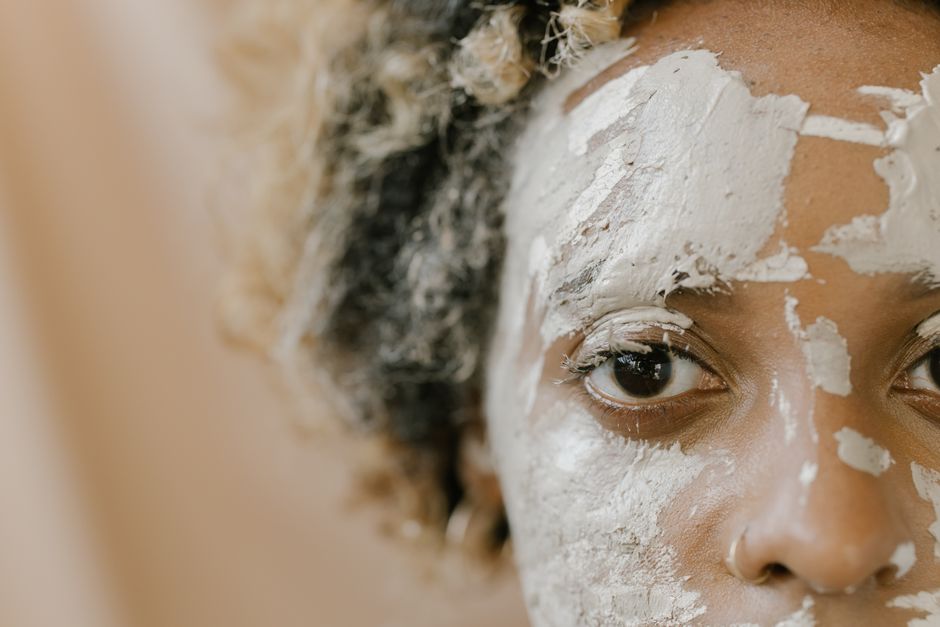
Facial eczema is a common skin condition that causes dry, itchy, inflamed patches on the face. In adults, it is often triggered by skin barrier defects, irritants, allergens, and stress, while in babies, it is frequently linked to genetics and food allergies. The condition is not contagious, and while there is no cure, it can be managed effectively with the right skincare routine and treatment plan.
What Is Eczema and Why Does It Appear on the Face?
Eczema, also known as atopic dermatitis, is a chronic inflammatory skin condition. It happens when the skin’s outer layer does not hold onto moisture well. This weakens the skin barrier, allowing irritants and allergens to penetrate more easily. When these substances get in, they trigger an immune response that leads to redness, itching, and flaking.
The face is especially vulnerable. Facial skin is thinner than skin on the rest of the body. It also has more oil glands and is exposed to the environment constantly. Soaps, weather changes, and even your own sweat can trigger a flare. Because the face is always visible, the condition can also take a toll on emotional well-being.
What Causes Eczema On The Face In Adults And Babies?
The root cause of eczema is a combination of genetics and environmental triggers. People with eczema often have a mutation in a gene called filaggrin. This gene helps create a protein that keeps skin cells tightly packed together. When this protein is missing or defective, the skin barrier becomes leaky. Water escapes, and irritants get in.
In adults, common triggers include harsh skincare products, fragrances, cold dry air, and stress. Hormonal shifts can also play a role. In babies, the triggers are often different. Food proteins passed through breast milk or directly in formula can cause flares. Heat and drool are also major culprits in infants because both irritate the delicate skin around the mouth and cheeks.
It is important to understand that eczema is not caused by poor hygiene. It is an immune system overreaction. Scratching makes it worse by further damaging the skin barrier and introducing bacteria. This is why treatment focuses on repairing the barrier and controlling inflammation rather than just stopping the itch.
How Does Facial Eczema Differ in Babies?
Baby eczema usually appears between 2 and 6 months of age. It typically starts on the cheeks, forehead, and scalp. The skin may look red, dry, and scaly. In darker skin tones, it may look purple or ashen rather than red.
Infant eczema is often linked to food allergies, though not always. The most common triggers are cow’s milk, eggs, and peanuts. If a breastfeeding mother eats these foods, the proteins can pass into her milk. However, food is not the cause for every baby. Many infants outgrow eczema by age 2 or 3 as their skin barrier matures.
One key difference in babies is that they cannot control scratching. This makes secondary infections more common. If you notice yellow crusting, oozing, or blisters on your baby’s skin, that may be a bacterial infection. This requires medical attention promptly.





What Triggers a Facial Eczema Flare?
Triggers vary from person to person. But some are very common across both adults and babies. Knowing your triggers is the first step in prevention.
- Irritants: Soaps, detergents, fragrances, and alcohol-based products strip the skin of natural oils.
- Allergens: Dust mites, pet dander, pollen, and mold can all cause flares when they contact the face.
- Weather: Cold, dry air pulls moisture from the skin. Hot, humid weather causes sweating, which can also irritate.
- Foods: In babies, cow’s milk and eggs are common triggers. In adults, food triggers are less common but still possible.
- Stress: Stress hormones like cortisol can increase inflammation and make the skin more reactive.
- Hormones: Some women notice flares before their menstrual period or during pregnancy.
It is worth noting that not everyone reacts to the same triggers. Keeping a symptom diary can help you identify what is specific to you or your child. Write down what you ate, what products you used, and what the weather was like. Patterns often become clear within a few weeks.
How Is Facial Eczema Treated?
Treatment has three main goals: repair the skin barrier, reduce inflammation, and control itching. No single treatment works for everyone. Most people need a combination of approaches.
Moisturizers are the foundation of all eczema care. Thick creams and ointments work better than lotions because they trap more moisture. Apply moisturizer within three minutes of bathing while the skin is still damp. This locks water into the skin. Look for products without fragrances, dyes, or botanical extracts that can irritate.
Topical corticosteroids are the standard treatment for active flares. These reduce inflammation and itching. They come in different strengths. Over-the-counter hydrocortisone 1% is fine for mild flares. Stronger versions require a prescription. Use them only on affected areas and only for the duration your doctor recommends. Long-term use on the face can cause thinning of the skin.
Topical calcineurin inhibitors are a non-steroid option. Examples include tacrolimus and pimecrolimus. These are particularly useful for the face because they do not cause skin thinning. They are approved for use in children over age 2. Some people feel a burning sensation when they first apply them, but this usually fades after a few days.
For severe cases, doctors may prescribe oral medications or biologic injections. These work by targeting specific parts of the immune system. They are reserved for people who do not respond to topical treatments. Your dermatologist can help determine if these are right for you.
What Skincare Routine Is Best for Facial Eczema?
A simple, consistent routine is more effective than a complicated one. The goal is to minimize irritation while maximizing moisture retention.
Clean the face once or twice daily with a gentle, fragrance-free cleanser. Avoid hot water. Use lukewarm water instead. Hot water strips the skin of its natural oils. Pat the skin dry with a soft towel. Do not rub.
Apply a moisturizer immediately after cleansing. If you use a prescription treatment, apply that first, wait 15 minutes, then apply moisturizer over it. At night, consider a slightly thicker ointment. This gives the skin a longer period to repair while you sleep.
Avoid physical exfoliants like scrubs. They create micro-tears in the skin that worsen inflammation. Chemical exfoliants like salicylic acid or glycolic acid are also generally not recommended during a flare. They can sting and increase irritation. If you want to use them, wait until the skin is calm and only use them on non-eczema areas.
When Should You See a Doctor?
Mild eczema can often be managed at home with moisturizers and lifestyle changes. But there are times when medical care is necessary. If the rash does not improve after two weeks of consistent moisturizing and trigger avoidance, see a doctor.
Seek medical attention immediately if you notice signs of infection. These include yellow crusting, oozing fluid, blisters, or increasing redness and warmth. Fever is another red flag. Infected eczema requires prescription treatment, usually an antibiotic.
For babies, see a pediatrician if the rash is severe, covers large areas of the body, or interferes with sleep. A pediatric dermatologist may be needed if the condition does not respond to standard treatments. Early intervention can prevent complications and improve quality of life.
Can Diet Affect Facial Eczema?
The relationship between diet and eczema is complex. In babies, food allergies are a genuine trigger for some. The most common culprits are cow’s milk, eggs, soy, and wheat. If you suspect a food trigger, talk to your pediatrician before eliminating foods from your or your baby’s diet. Removing foods without medical guidance can lead to nutritional deficiencies.
In adults, the evidence for food triggers is much weaker. Some studies suggest that certain foods can worsen symptoms in people who already have eczema. But true food allergies are only responsible for a small percentage of adult eczema flares. Elimination diets are not recommended unless there is a clear pattern linking a specific food to a flare.
There is no evidence that any single diet cures eczema. Some research suggests that probiotics may help prevent eczema in infants, but the results are mixed. Omega-3 fatty acids found in fish oil may have anti-inflammatory effects, but clinical trials have not consistently shown improvement in eczema symptoms. A balanced diet supports overall health, but it is not a substitute for standard eczema treatment.
Does Stress Cause Facial Eczema?
Stress does not cause eczema, but it can trigger flares and make existing symptoms worse. When you are stressed, your body releases cortisol. This hormone can increase inflammation in the skin. Stress also disrupts the skin barrier function, making it easier for irritants to penetrate.
Some research suggests that people with eczema have a different stress response in their skin. Their skin may produce more inflammatory chemicals when stressed compared to people without eczema. This does not mean eczema is a mental health condition. It is a physical skin disease that is sensitive to emotional states.
Managing stress can help reduce the frequency and severity of flares. This does not mean eliminating stress entirely. It means building habits that help your body recover. Adequate sleep, regular physical activity, and mindfulness practices have all shown benefits for skin health. If stress is overwhelming, consider speaking with a mental health professional.
Can Facial Eczema Be Prevented?
There is no guaranteed way to prevent eczema, especially when it runs in families. However, there is some evidence that early skincare practices can reduce the risk in infants. Regular moisturizing from birth may help strengthen the skin barrier and delay or prevent the onset of eczema in high-risk babies.
Once eczema develops, prevention is about avoiding triggers and maintaining the skin barrier. This means consistent moisturizing, even when the skin looks clear. Many people stop using moisturizer when their skin improves. This is a mistake. The skin barrier remains fragile even between flares. Ongoing care is what prevents the next flare.
For adults, prevention also involves choosing the right products. Avoid anything with fragrance, including “natural” essential oils. These are common irritants. Use a gentle cleanser and a rich moisturizer every day. During winter, use a humidifier to add moisture to indoor air. Wear a scarf over your face in cold windy weather to protect the skin from direct exposure.
Are There Any Home Remedies That Work?
Some home remedies can help soothe symptoms, but none are proven cures. A cool compress applied to the face for 10-15 minutes can reduce itching and inflammation. Colloidal oatmeal baths are commonly recommended for eczema on the body, but they are harder to use on the face. Oatmeal-based creams are a better option for facial use.
Wet wrap therapy can be effective for severe flares. This involves applying moisturizer and then wrapping the area in damp bandages. This is not practical for the whole face, but it can be used on specific patches overnight. It should only be done under medical supervision, especially in children, because it can increase the risk of infection if not done properly.
Be cautious with internet remedies. Coconut oil, apple cider vinegar, and tea tree oil are frequently promoted for eczema. Coconut oil has some moisturizing properties, but it can clog pores and may not be suitable for everyone. Apple cider vinegar is acidic and can burn already irritated skin. Tea tree oil is a known contact allergen in some people. No large clinical trials have confirmed these remedies work.
Frequently Asked Questions
Is facial eczema contagious?
No, eczema is not contagious. It is an inflammatory skin condition caused by genetic and environmental factors, not an infection.
Can eczema on the face leave permanent scars?
Eczema itself does not cause permanent scarring, but repeated scratching can. The skin may temporarily darken where eczema was present, but this usually fades over time.
Should I wash my face more often if I have eczema?
No, washing more often strips the skin of natural oils and worsens eczema. Wash once or twice daily with lukewarm water and a gentle cleanser, then moisturize immediately.
Can adults suddenly develop facial eczema?
Yes, adults can develop eczema for the first time, even without a childhood history. This is called adult-onset eczema and is becoming more common, though the exact reason is not fully understood.
