
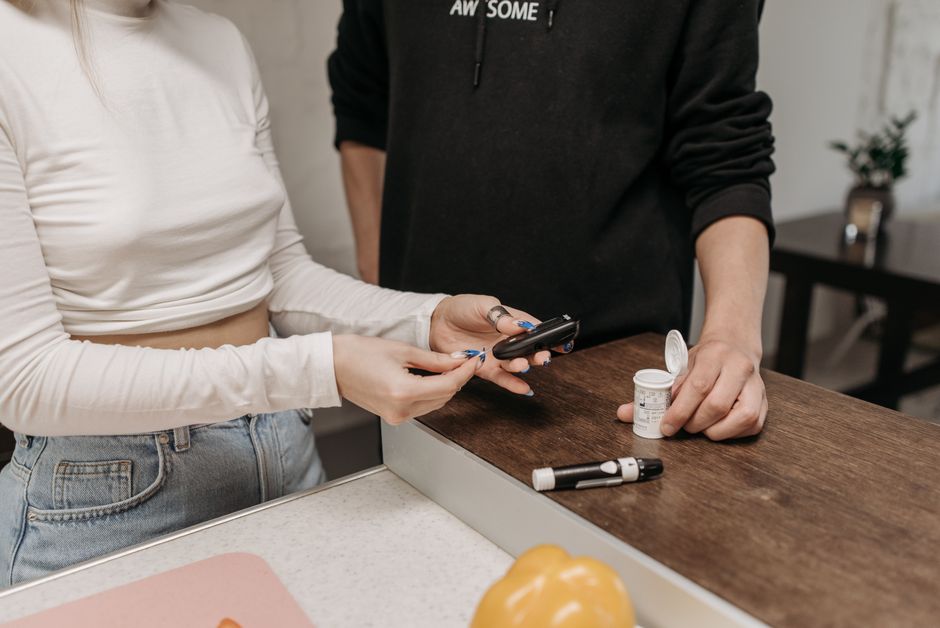
Testing for xylazine typically requires a laboratory method called gas chromatography-mass spectrometry (GC-MS) or liquid chromatography-tandem mass spectrometry (LC-MS/MS). These tests detect the drug in urine, blood, or hair samples. At-home test strips exist, but they have important limits you need to understand before relying on them.
Why Xylazine Testing Matters Right Now
Xylazine is a veterinary sedative that is not approved for human use. It has been found mixed into illicit drugs, especially fentanyl and heroin. The CDC has warned about the rise of xylazine in the drug supply because it can cause severe skin wounds and fatal overdoses.
The drug is dangerous on its own. When combined with opioids, it complicates overdose response because naloxone does not reverse xylazine’s effects. Knowing whether xylazine is present can change how medical professionals treat an overdose or manage withdrawal.
Testing is also important for people who use drugs and want to reduce their risk. If you know xylazine is in your supply, you can take extra precautions. Some harm reduction organizations now distribute xylazine test strips alongside fentanyl test strips.
What Are Xylazine Test Strips and How Do They Work?
Xylazine test strips are small strips of paper that detect the presence of xylazine in a liquid sample. You dissolve a small amount of the drug in water, then dip the strip into the solution. A line appears to show whether xylazine is present.
These strips work through an immunochromatographic method. Antibodies on the strip bind to xylazine molecules if they are present. The test is similar in principle to pregnancy tests or fentanyl test strips.
Test strips are not approved by the FDA for this use. They were originally designed for veterinary purposes. However, harm reduction programs have repurposed them for drug checking, and some research has evaluated their accuracy.
Studies have found that xylazine test strips can detect xylazine in drug samples with reasonable sensitivity. But they are not perfect. Factors like the type of drug, the amount of sample used, and how the drug is cut can affect results.
How To Test For Xylazine Using Test Strips
If you have xylazine test strips, follow the instructions that come with them carefully. The general process is consistent across brands, but always check the specific directions for your product.
Start with a small amount of the drug you want to test. The typical amount is about 10 milligrams, roughly the size of a few grains of salt. Place it in a clean container.
Add a small amount of water. Most instructions suggest about 1 milliliter, which is about a quarter teaspoon. Stir or swirl the mixture until the drug dissolves as much as possible.
Dip the test strip into the liquid. The absorbent end should go into the solution. Wait the amount of time specified in the instructions, usually between 3 and 5 minutes.
Read the results. One line usually means no xylazine detected. Two lines usually means xylazine is present. A faint line can still indicate a positive result.
Do not reuse strips. Dispose of them properly after use. The liquid and drug mixture should also be disposed of safely.
Limitations of Test Strips You Need To Know
Test strips have real limitations. A negative result does not guarantee the drug is free of xylazine. The sample you test may not represent the entire batch, and xylazine can be unevenly distributed in a bag or pill.
Dilution matters. If you use too much water, the test may not detect low levels of xylazine. If you use too little, the strip may not work properly. Finding the right balance takes practice.
Some research suggests that test strips may be less accurate with certain drugs. For example, testing methamphetamine or cocaine samples may produce different results than testing opioid samples. The chemistry of the drug matrix can interfere with the test.
Cross-reactivity is another concern. Test strips may react to substances that are chemically similar to xylazine. This could produce a false positive. It could also mean the strip detects a related compound rather than xylazine itself.
Test strips cannot tell you how much xylazine is present. They only indicate whether it is there. A positive result does not tell you the concentration, which matters for assessing overdose risk.
Laboratory Testing for Xylazine
Laboratory testing is the most accurate way to detect xylazine. These tests use sophisticated instruments that can identify and measure the drug precisely.
GC-MS and LC-MS/MS are the gold standard methods. These techniques separate the components of a sample and identify them by their mass and chemical properties. They can detect xylazine at very low concentrations.
Laboratory tests can be performed on urine, blood, or hair samples. Urine testing detects recent use, typically within a few days. Blood testing reflects current levels. Hair testing can detect use over a longer period, potentially months.
These tests are not available at home. They require specialized equipment and trained personnel. They are typically performed in clinical laboratories, forensic labs, or research settings.
If you need laboratory confirmation, talk to a healthcare provider. They can order the appropriate test. Emergency departments and addiction medicine specialists are familiar with xylazine testing.
The cost of laboratory testing varies. It may be covered by insurance if ordered by a healthcare provider for medical reasons. Forensic testing is typically done in legal or law enforcement contexts.
Interpreting Your Test Results
A positive test result means xylazine is present in the sample. This does not tell you how much is there or how dangerous the batch is. It simply confirms the drug is present.
A negative result means xylazine was not detected in the sample you tested. This is reassuring but not definitive. The drug could still be present at levels below the test’s detection limit, or the sample may not be representative.
If you get a positive result, take extra precautions. Use less than usual. Have naloxone available. Do not use alone. These steps reduce risk even when xylazine is present.
Remember that xylazine is not an opioid. Naloxone will not reverse its sedative effects. If someone stops breathing after using drugs containing xylazine, they need emergency medical care even if naloxone is given.
Xylazine can cause severe skin wounds that appear days or weeks after use. These wounds can become infected and may require medical treatment. If you develop unusual skin lesions after using drugs, seek medical care promptly.
Xylazine Withdrawal and Medical Care
People who use xylazine regularly may experience withdrawal when they stop. Xylazine withdrawal is not the same as opioid withdrawal. It can include anxiety, agitation, and elevated blood pressure.
Medical providers are still learning how to manage xylazine withdrawal. There is no FDA-approved medication specifically for this purpose. Treatment typically focuses on managing symptoms and supporting the person through the process.
If you are seeking treatment for substance use and have been exposed to xylazine, tell your healthcare provider. This information can change how they manage your care. They may adjust your treatment plan to account for xylazine exposure.
Some hospitals and treatment centers now screen for xylazine routinely. This is becoming more common as the drug spreads. If you are admitted for overdose or detoxification, xylazine testing may be part of your evaluation.
Frequently Asked Questions
Where can I get xylazine test strips?
Harm reduction organizations and some online retailers sell xylazine test strips. Many local health departments and community organizations distribute them for free or at low cost.
Are xylazine test strips accurate?
Research suggests they detect xylazine in drug samples with reasonable accuracy, but they are not perfect. False negatives and false positives are possible, so treat results as one source of information rather than a guarantee.
Can I test my urine for xylazine at home?
Home urine test strips for xylazine are not widely available or validated for human use. Laboratory testing through a healthcare provider is the reliable way to detect xylazine in urine.
How long does xylazine stay in your system?
Xylazine has a short half-life in the body, typically lasting hours rather than days. Laboratory tests can detect it in urine for a few days after use, but exact detection windows vary by individual and testing method.
