
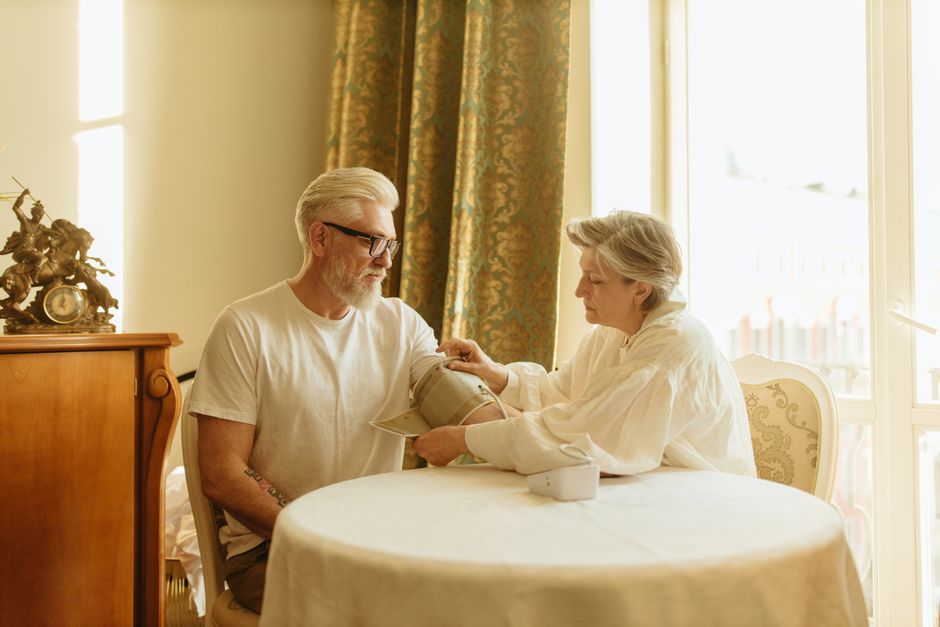
Falls in hospitals are a serious patient safety issue, but they are not inevitable. Preventing patient falls requires a combination of a careful nursing assessment, a safe room environment, and a clear plan tailored to each patient’s specific risk factors. The most effective approach starts the moment a patient is admitted, with a fall risk screening that guides every subsequent decision about their care.
Why Do Patients Fall in the Hospital?
Hospitals are unfamiliar and often disorienting places. Patients are frequently weak from illness, surgery, or new medications. The combination of an unfamiliar environment and a body that does not move as expected is a recipe for falls.
Many falls happen when a patient tries to get out of bed or walk to the bathroom without help. They may feel they can manage on their own, or they may not want to bother the nursing staff. This is a common and dangerous moment. The body may be weaker than the patient realizes, and the floor is hard.
Medications play a large role. Sedatives, blood pressure drugs, and pain relievers can cause dizziness or a sudden drop in blood pressure when standing up. This effect, called orthostatic hypotension, can make a patient feel lightheaded and lose their balance quickly.
Poor vision and age-related muscle weakness add to the risk. So does the presence of medical equipment like IV poles, urinary catheters, or oxygen tubing, which can easily trip a patient who is already unsteady.
How Do Hospitals Identify Patients at Risk for Falls?
Hospitals do not wait for a fall to happen. They actively look for patients who are likely to fall using a standardized fall risk assessment. This is usually done on admission and then repeated at regular intervals or whenever the patient’s condition changes.
These assessments score patients based on several known risk factors. Age is one, with older adults at higher risk. A history of falling before admission is another strong predictor. Current mental status matters too. Patients who are confused, agitated, or disoriented are much more likely to try to get up unsafely.
Mobility issues are a major part of the assessment. A patient who cannot walk steadily, who needs help to stand, or who has a shuffling gait is at high risk. The assessment also looks at how often the patient needs to use the bathroom, because frequent urination increases the chances of a rushed and unsafe trip to the toilet.
Medication review is part of the process. Certain drug classes, especially those that affect the central nervous system, increase fall risk. The nurse will note these and factor them into the overall risk level.
Based on this score, a patient is placed into a low, moderate, or high fall risk category. This category then triggers specific prevention measures. It is not a vague label. It is a direct guide to action.
What Environmental Changes Prevent Patient Falls?
The physical environment of a hospital room can be adjusted to reduce fall risk significantly. These are simple, practical changes that make a real difference.
The bed itself is a key area. Keeping the bed in the lowest position when the patient is resting reduces the distance to the floor if they slide out. Bed rails are a debated topic. For some patients, full rails can act as a ladder and encourage climbing over them, which can lead to a more serious fall. Many hospitals now use half rails or raised side supports that help a patient turn in bed but do not trap them inside.
The floor should be clear of clutter. IV poles, wheelchairs, and personal belongings should be moved out of the walking path. Spills must be cleaned up immediately. The call light should be within easy reach of the patient at all times.
Good lighting is essential. Night lights in the room and bathroom help a patient who gets up in the dark. The path to the bathroom should be unobstructed and well lit.
Non-slip socks are a standard intervention. They provide better grip than bare feet or regular socks on smooth hospital floors. They are a simple, low-cost tool that is widely used.
A clutter-free room with a clear path to the bathroom is the foundation of fall prevention. Without this, even the best nursing care cannot fully protect a patient.





What Role Does the Care Team Play in Fall Prevention?
Technology and room setup only go so far. The human element is central. Nurses, nursing assistants, and even family members all have a role in keeping a patient safe.
Regular rounding is a core strategy. This means nursing staff check on high-risk patients at scheduled intervals, often every hour. The purpose is to anticipate needs, such as offering a trip to the bathroom or repositioning, before the patient tries to do it alone. This proactive approach reduces the number of times a patient feels they have to get up unassisted.
For the highest-risk patients, a bed alarm may be used. This device sounds when the patient shifts their weight or tries to get out of bed. It alerts staff that the patient is moving, allowing them to respond quickly. It does not prevent the fall itself, but it shortens the time a patient may be on the floor and allows staff to assist them sooner.
Patient education is a critical part of the plan. The nurse must explain to the patient why they are at risk and why it is important to call for help. This is not a one-time conversation. It should be repeated, especially if the patient’s condition changes. The message must be clear: do not get up without help.
Family members can help by reinforcing this message. They should also be instructed not to try to catch a falling patient. A patient who is falling is heavy and unpredictable. Attempting to catch them often injures the family member as well.
Some hospitals use visual indicators to alert all staff to a patient’s risk. A colored wristband, a sign on the door, or a marker on the whiteboard in the room tells everyone, from the doctor to the food service worker, that this patient needs extra caution.
How To Prevent Patient Falls In The Hospital Through Care Planning
A fall risk score is only useful if it leads to a personalized care plan. A generic “high fall risk” label is not enough. The plan must address why this specific patient is at risk and what will be done about it.
The plan should include a toileting schedule. Because many falls happen on the way to the bathroom, offering scheduled bathroom trips every two hours can prevent the urgent, rushed attempt that leads to a fall. This is one of the most effective interventions available.
The plan must also address mobility. A physical therapist may be consulted to assess the patient’s strength and balance. They can provide a safe mobility aid, like a walker, and teach the patient how to use it correctly. They can also guide the nursing staff on the safest way to help this specific patient transfer from bed to chair.
Medication review should be ongoing. The doctor or pharmacist may adjust the timing of doses or switch to a less sedating drug if a medication is contributing to dizziness. This is a clinical decision that requires professional judgment.
The care plan should be communicated clearly during every shift change. A patient who was stable in the morning may be weaker and more confused at night. The risk level and the plan need to be reassessed and updated as the patient’s condition evolves.
What Happens After a Fall Occurs?
Despite the best efforts, falls still happen. When they do, the response matters as much as the prevention.
The first step is to assess the patient for injury. Do not move them immediately unless they are in immediate danger. Call for help and let the clinical team evaluate the patient where they are. Moving a patient with a potential hip fracture or head injury can make the injury worse.
After the patient is stabilized, a post-fall review should occur. This is not about blaming anyone. It is about understanding what happened and how to prevent it from happening again. The team looks at the circumstances: Was the call light reachable? Did the bed alarm sound? Was the patient confused? What was different this time?
The findings from this review should lead to an updated care plan. A patient who falls once is at a much higher risk of falling again. The new plan must be more aggressive. This may mean moving the patient closer to the nursing station, increasing the frequency of rounds, or using a different type of bed alarm.
A fall is a serious event, but it is also a learning opportunity for the care team. The goal is to use the information to make the environment and the plan safer for that patient and for all future patients.
Frequently Asked Questions
What is the single most effective way to prevent hospital falls?
Frequent nursing rounds and scheduled toileting are the most effective strategies. They anticipate patient needs and reduce the urge to get up without help.
Do bed alarms actually stop patients from falling?
Bed alarms do not stop a fall, but they alert staff that a patient is moving. This allows for a faster response and can shorten the time a patient is on the floor.
Are bed rails safe for all patients?
No. Full bed rails can be dangerous for confused patients who may try to climb over them. The decision to use rails must be made individually based on the patient’s mental state and mobility.
Can family members help prevent a fall?
Yes. Family can reinforce the message to call for help and keep the room clear of clutter. They should never attempt to catch a falling patient, as this can cause injury to both people.
