
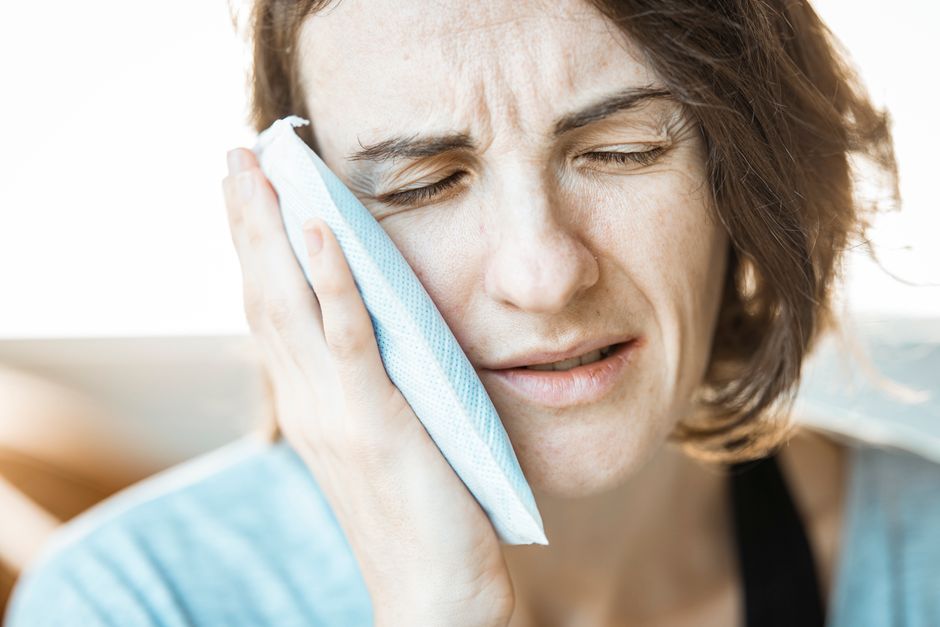
Canker sores are small, shallow ulcers that form inside the lips, cheeks, or under the tongue. Unlike cold sores, they are not contagious and do not appear on the outside of the mouth. The exact cause is not fully understood, but the evidence points to a combination of immune system response, minor mouth injuries, dietary triggers, and stress. In most cases, they are a temporary annoyance that heals on its own within one to two weeks.
What Exactly Is a Canker Sore?
A canker sore, medically known as an aphthous ulcer, is a break in the mucous membrane inside the mouth. The sore is usually round or oval with a white, yellow, or gray center and a red border. They can range from very small—about the size of a pinhead—to larger and deeper sores that take longer to heal.
There are two main types. The most common is a minor canker sore, which is small and heals without scarring. The less common type is a major canker sore, which is larger, deeper, and can take several weeks to heal, sometimes leaving scar tissue. A third, rarer form called herpetiform canker sores involves clusters of tiny ulcers that merge into larger ones. Despite the name, they are not caused by the herpes virus.
The pain is often worse for the first three to four days. Eating spicy, salty, or acidic foods can irritate the sore and make the pain sharper. Many people describe a tingling or burning sensation in the spot a day or two before the sore actually appears.
What Causes Canker Sores Immune System Diet More?
The short answer is that no single cause exists. Researchers view canker sores as a multifactorial condition, meaning several triggers work together to produce an ulcer. The most consistent findings point to an overactive local immune response, physical trauma, nutritional deficiencies, and stress.
Some people inherit a tendency to get them. Studies show that up to 40 percent of people who get recurrent canker sores have a family history of the condition. This does not mean everyone with a family history gets them, but genetics appear to set the threshold for how easily the mouth lining reacts to triggers.
Hormonal changes may play a role in some women. Some report more frequent sores during certain phases of their menstrual cycle, though the evidence for a direct hormonal link is not strong. It is more accurate to say that hormone fluctuations may be one of many contributing factors.
The Immune System Connection
The immune system is central to canker sore formation. The sores are not caused by a bacterial or viral infection. Instead, they appear to result from an immune reaction in the tissue lining the mouth. White blood cells, particularly T-cells, become activated and attack the epithelial cells in the mucous membrane. This localized immune response creates the ulcer.
This explains why people with certain autoimmune conditions get canker sores more frequently. Conditions like Behçet’s disease, Crohn’s disease, and ulcerative colitis are associated with a higher rate of mouth ulcers. In these cases, the sores are a symptom of a broader inflammatory process.
It also explains why some people get canker sores after eating foods they are sensitive to. The immune system may react to certain proteins in food as if they were a threat, triggering the same localized response. This is not a true food allergy in most cases. It is more accurately described as a food sensitivity or intolerance that provokes an inflammatory reaction in susceptible people.
There is no evidence that a weak immune system causes canker sores. The opposite appears to be true. The immune response is overactive, not underactive. Stress may contribute because stress hormones can modulate immune activity, potentially increasing the inflammatory response in the mouth.



Dietary Triggers and Nutritional Deficiencies
Certain foods are commonly reported as triggers. Chocolate, coffee, strawberries, eggs, nuts, cheese, and highly acidic foods like tomatoes and citrus fruits are frequently mentioned in clinical reports. Spicy foods do not necessarily cause a sore, but they can irritate an existing one.
The evidence for specific food triggers is largely based on patient reports rather than controlled trials. This does not mean the reports are wrong. It means the relationship between diet and canker sores is individual. A food that triggers sores in one person may have no effect on another.
Sodium lauryl sulfate, a foaming agent found in many toothpastes, has been studied as a possible trigger. Some research suggests that SLS can irritate the mouth lining and increase the frequency of canker sores in people who are prone to them. Switching to an SLS-free toothpaste is a low-cost change that some people find helpful, though the evidence is not definitive.
Nutritional deficiencies are a more established link. Deficiencies in vitamin B12, folate, iron, and zinc have all been associated with recurrent canker sores. One study found that a significant percentage of people with recurrent sores had low levels of one or more of these nutrients. Correcting the deficiency reduced the frequency of sores in many participants.
If you get canker sores frequently, a blood test to check these nutrient levels is a reasonable step. Do not start high-dose supplements without testing. Excess iron or vitamin B12 can cause health problems, so supplementation should be guided by a blood test result.
Physical Injury and Other Triggers
Minor trauma is one of the most common triggers. Accidentally biting the inside of your cheek, brushing too hard, or eating rough foods like hard bread or potato chips can create a small break in the tissue. In a person prone to canker sores, that injury can develop into a full ulcer.
Dental work can also trigger sores. Braces, sharp teeth, or ill-fitting dentures create repeated friction against the mouth lining. The sores tend to appear near the site of the irritation.
Stress is a well-recognized trigger, though the mechanism is not fully mapped. Some research suggests that psychological stress alters the immune response and increases inflammation. Many people report an increase in sores during exams, job changes, or other stressful periods. The evidence supports this association, though it is difficult to study stress in a controlled way.
Quitting smoking has been linked to a temporary increase in canker sores. Nicotine appears to have a suppressive effect on the mouth’s immune response. When a person stops smoking, the immune response rebounds, and sores may appear more frequently for a few weeks before settling down.
How Are Canker Sores Treated?
Most canker sores heal on their own without treatment. Minor sores typically resolve in 7 to 14 days. The goal of treatment is pain relief and reducing the duration of the sore.
Over-the-counter topical products containing benzocaine or similar numbing agents can provide temporary pain relief. These are applied directly to the sore and are safe for short-term use in adults. Oral gels containing hydrogen peroxide or other antiseptics may help reduce the risk of secondary infection, though they do not speed healing significantly.
For more severe or frequent sores, a healthcare provider may prescribe a corticosteroid ointment. These reduce inflammation and can shorten the healing time. Prescription mouth rinses containing anesthetics or anti-inflammatory agents are another option.
There is no cure for canker sores. Because the exact cause is not fully understood, treatments focus on managing symptoms rather than eliminating the condition. If you have a sore that lasts longer than three weeks, grows unusually large, or spreads, see a healthcare provider. These symptoms can indicate a different condition that needs evaluation.
When to See a Healthcare Provider
Most canker sores do not require medical attention. However, certain signs warrant a professional evaluation. See a provider if the sore lasts more than three weeks, if it is unusually large, if you get new sores before old ones heal, or if the pain is severe enough to interfere with eating or drinking.
Also seek care if you develop a fever, if the sores spread outside your mouth, or if you have difficulty swallowing. These symptoms are not typical of canker sores and may indicate another condition. People with weakened immune systems or those taking immunosuppressive medications should be more cautious and seek advice earlier.
Recurrent canker sores that happen several times a year may warrant a medical evaluation. A provider can check for underlying conditions like inflammatory bowel disease, celiac disease, or nutritional deficiencies. In many cases, no underlying condition is found, and the person simply has a tendency to develop these sores.
Can Canker Sores Be Prevented?
Prevention is not always possible, but identifying your personal triggers can reduce frequency. Keep a simple diary of when sores appear and what you ate, how stressed you were, and whether you had any mouth injury in the days before. Over time, patterns may emerge.
If a specific food consistently precedes your sores, avoiding that food is a reasonable strategy. If you use toothpaste with sodium lauryl sulfate, trying an SLS-free brand for a few weeks is a low-risk experiment. If stress is a clear trigger, stress management techniques like regular exercise, adequate sleep, or mindfulness may help, though the evidence for specific stress-reduction methods preventing canker sores is limited.
Good oral hygiene reduces the risk of secondary infection but does not prevent sores. Using a soft toothbrush and being careful with hard or rough foods can reduce the chance of trauma-induced sores. If you have braces or dental appliances that cause friction, ask your dentist about wax or other protective options.
Frequently Asked Questions
Are canker sores contagious?
No. Canker sores are not contagious and cannot be spread through kissing or sharing food. Cold sores, which appear on the outside of the lips, are caused by the herpes virus and are contagious.
What vitamin deficiency causes canker sores?
Deficiencies in vitamin B12, folate, iron, and zinc have been linked to recurrent canker sores. A blood test can determine if you are deficient before starting any supplement.
How long does a canker sore last?
Minor canker sores typically heal within 7 to 14 days without treatment. Larger sores can take several weeks and may leave a scar.
Can stress cause canker sores?
Yes, stress is a recognized trigger for canker sores in many people. Stress may alter immune activity and increase inflammation in the mouth lining.
