
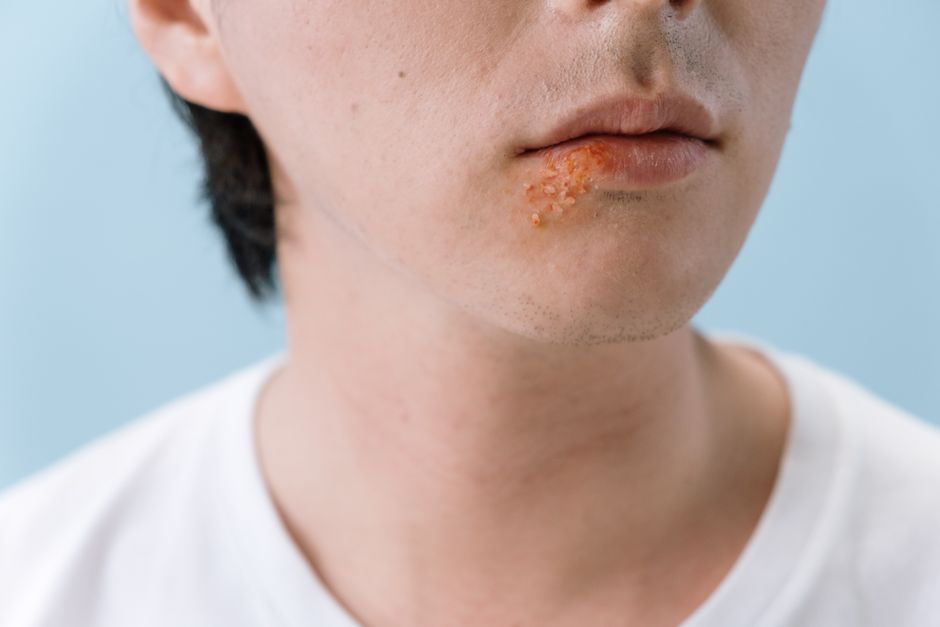
If you get canker sores often, the most effective way to avoid them is to identify and remove your personal triggers — and for most people, those triggers are specific foods, stress, or minor mouth injuries. Avoiding canker sores is not about one magic trick. It is about changing a few habits that directly affect the delicate skin inside your mouth. Research shows that for people who get these sores repeatedly, diet and stress management are the two biggest levers you can pull.
What Actually Causes Canker Sores?
Canker sores are not cold sores. They are not contagious. They are small, shallow ulcers that form on the soft tissue inside your mouth — the inside of your cheeks, your lips, your tongue, or the base of your gums. The medical term is aphthous ulcers.
The exact cause is not fully understood. Researchers at the National Institute of Dental and Craniofacial Research state that most canker sores are linked to a combination of factors. The most common include a minor injury to the mouth, such as biting your cheek, food sensitivities, stress, and certain nutritional deficiencies.
Some people have a genetic predisposition. If your parents got them, you are more likely to get them too. But genetics do not mean you are stuck with them. It means you need to be more careful about triggers.
One thing the research is clear on: canker sores are not caused by poor hygiene. Brushing harder or more often will not help. It can actually make things worse by irritating the tissue.
How To Avoid Canker Sores Diet Stress And More
Let us break this down into the three areas that matter most: what you eat, how you handle stress, and what you put in or near your mouth.
Diet is the most common trigger that people can control. Studies have found that acidic and spicy foods are the biggest offenders. Tomatoes, citrus fruits like oranges and lemons, pineapple, strawberries, coffee, chocolate, and spicy peppers are frequently reported triggers. The American Academy of Oral Medicine notes that these foods can irritate the lining of the mouth and provoke an outbreak in people who are prone to them.
Stress is the second major factor. Research published in the Journal of Oral Pathology & Medicine found that university students had significantly more canker sores during exam periods compared to low-stress times. The link is likely immune-related. When you are stressed, your immune system does not function as well, and that can allow small irritations to become full sores.
Mouth injuries are the third piece. Biting your cheek, brushing too hard, or eating something with a sharp edge like a chip or pretzel can create a tiny wound. In someone prone to canker sores, that wound becomes an ulcer. Using a soft-bristled toothbrush and being mindful while eating can reduce these injuries significantly.
What Foods Should You Avoid or Add?
If you want to test whether diet is a trigger for you, try a two-week elimination of the most common culprits. This is not a permanent diet. It is a diagnostic tool.
Foods to avoid or reduce:
- Citrus fruits and juices (oranges, lemons, grapefruit, pineapple)
- Tomatoes and tomato-based products
- Spicy foods (hot peppers, chili, curry)
- Chocolate
- Coffee and other caffeinated drinks
- Nuts and seeds, especially almonds and walnuts
- Vinegar and foods high in acid
Foods that may help:
- Yogurt and other probiotic-rich foods. Some evidence suggests that Lactobacillus probiotics can reduce the frequency of outbreaks.
- Foods rich in vitamin B12, iron, and folate. Deficiencies in these nutrients are linked to recurrent canker sores.
- Mild, soft foods when you already have a sore — think oatmeal, mashed potatoes, smoothies without citrus, and scrambled eggs.
One study published in Quintessence International found that people who took a vitamin B12 supplement had fewer outbreaks and faster healing times. The dose used was 1,000 micrograms daily. If you suspect a deficiency, a blood test from your doctor is the best way to know for sure.





Does Toothpaste Matter for Canker Sores?
Yes, for some people. Sodium lauryl sulfate, or SLS, is a foaming agent found in most toothpastes. Some research suggests that SLS can irritate the lining of the mouth and trigger canker sores in people who are sensitive to it.
A study in the Journal of Oral Pathology & Medicine compared an SLS-free toothpaste to a regular one. Participants who used the SLS-free toothpaste had fewer and less severe canker sores over the study period. The difference was modest but real.
Switching to an SLS-free toothpaste is a low-cost, low-risk experiment. Try it for one month and see if your outbreaks decrease. If they do not, you can switch back. Many brands now offer SLS-free options. Look for toothpaste labeled “SLS-free” or check the ingredient list.
Also check your mouthwash. Some mouthwashes contain alcohol or strong antiseptics that can dry out and irritate the mouth lining. A gentle saltwater rinse is often a better choice.
How to Handle a Canker Sore Once It Appears
Even with the best prevention, sometimes a sore still shows up. The goal then is to reduce pain and speed healing.
Most canker sores heal on their own within 7 to 14 days. Over-the-counter treatments can help. Products containing benzocaine or lidocaine numb the area temporarily. Oral gels with carbamide peroxide or hydrogen peroxide can clean the sore and reduce bacteria.
A simple home remedy is a saltwater rinse. Mix one teaspoon of table salt in a cup of warm water. Swish for 30 seconds and spit. Do this two to three times a day. It is not a cure, but it can reduce inflammation and keep the area clean.
Another option is a baking soda paste. Mix a small amount of baking soda with a few drops of water to form a paste. Apply it directly to the sore and leave it on for a few minutes. Rinse gently. This can neutralize acids and reduce pain.
If a sore lasts longer than two weeks, is unusually large, or is accompanied by fever or swollen lymph nodes, see a doctor or dentist. They can prescribe stronger treatments like corticosteroid ointments or mouth rinses.
Common Misconceptions About Canker Sores
There is a lot of bad information online. Let me clear up a few things.
Myth: Canker sores are caused by herpes. They are not. Cold sores are caused by the herpes simplex virus. Canker sores are not viral. They are not contagious. You cannot give them to someone else by kissing or sharing a glass.
Myth: You can “cure” canker sores with lysine. Lysine is an amino acid that has some evidence for preventing cold sores. There is no good evidence that it prevents or treats canker sores. Some people report it helps, but clinical studies do not support it.
Myth: Avoiding all acidic foods forever is necessary. It is not. The goal is to identify your specific triggers. Many people can eat acidic foods without issue most of the time. The problem is when they eat them repeatedly or in combination with other triggers like stress or a mouth injury.
Myth: Canker sores mean you have a vitamin deficiency. Not necessarily. Deficiencies in vitamin B12, iron, and folate are linked to recurrent sores, but most people with canker sores have normal blood levels. A deficiency is one possible cause, not the only one.
| Trigger | How It Affects the Mouth | What to Do About It |
|---|---|---|
| Acidic foods (citrus, tomatoes) | Irritate and inflame the lining | Eliminate for two weeks, then test one at a time |
| Spicy foods | Cause physical irritation and inflammation | Reduce or avoid during outbreaks |
| Stress | Weakens immune response | Practice stress management techniques daily |
| Mouth injury (biting, hard brushing) | Creates a wound that becomes an ulcer | Use a soft toothbrush, eat carefully |
| SLS in toothpaste | Irritates sensitive mouth tissue | Switch to SLS-free toothpaste for one month |
| Nutritional deficiency (B12, iron, folate) | Weakens mouth tissue repair | Get a blood test; supplement if needed |
How Stress Management Actually Helps
Stress is not just in your head. It has real physical effects. When you are under chronic stress, your body produces more cortisol. Cortisol suppresses parts of your immune system. That suppression can allow small irritations in your mouth to turn into full canker sores.
The research here is not about “relaxing more” in a vague way. It is about specific, measurable changes. A study in the Journal of Dental Research found that people who practiced daily mindfulness meditation for eight weeks had fewer canker sores compared to a control group. The effect was small but statistically significant.
What works for stress management is what you will actually do consistently. That could be a 10-minute walk, deep breathing exercises, journaling, or talking to a therapist. The key is consistency. Doing something for five minutes every day is better than doing nothing for weeks and then trying to “catch up.”
If you notice that your canker sores flare up during stressful periods, that is your signal. It is not random. It is your body telling you that your stress level is affecting your health. Listen to it.
Frequently Asked Questions
Does toothpaste cause canker sores?
For some people, yes. Sodium lauryl sulfate (SLS) in toothpaste can irritate the mouth lining. Switching to an SLS-free toothpaste may reduce outbreaks.
Can stress alone cause canker sores?
Stress does not directly cause them but weakens your immune system. That makes it easier for a small irritation to turn into a sore.
Are canker sores contagious?
No. Canker sores are not caused by a virus and cannot be spread to another person. They are different from cold sores.
What vitamin deficiency causes canker sores?
Deficiencies in vitamin B12, iron, and folate are linked to recurrent canker sores. A blood test from your doctor can confirm a deficiency.
