
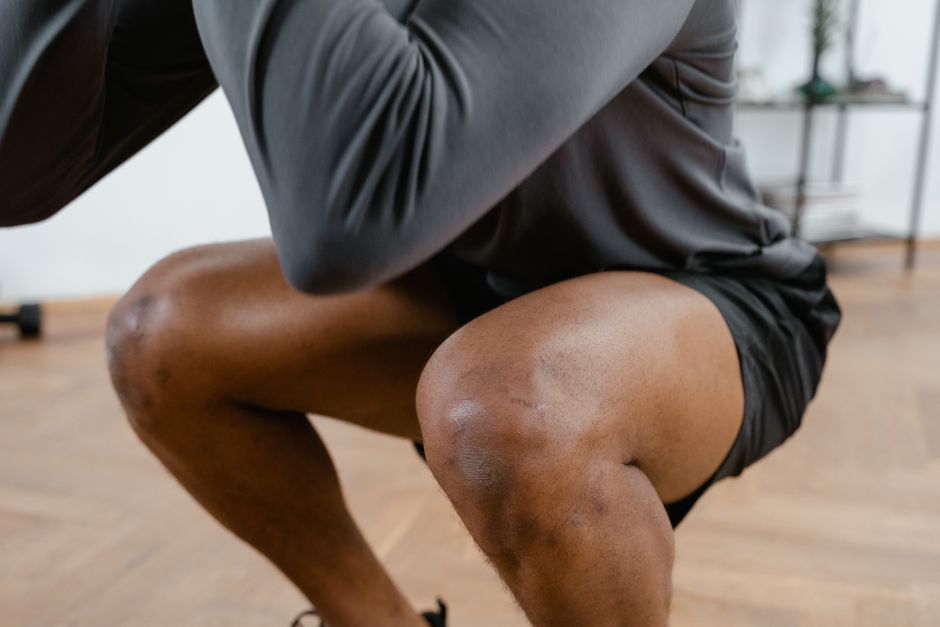
A calf cramp is a sudden, involuntary tightening of the muscles at the back of your lower leg. It can last seconds or several minutes and often leaves the area sore for hours afterward. The most common causes are muscle fatigue, dehydration, electrolyte loss, and nerve signals that misfire during or after strenuous activity. Most cramps are harmless and temporary, but recurring cramps can sometimes point to an underlying medical condition or medication side effect.
What Causes Calf Muscle Cramps?
Most calf cramps come down to one of a few overlapping problems: the muscle is overworked, the nerve controlling it is firing abnormally, or the chemical environment around the muscle is off balance. In many cases, more than one of these is happening at once.
Muscle fatigue is the most common trigger. When a muscle is worked hard or held in the same position for a long time, the nerve endings inside it can become overexcited and fire without a signal from the brain. This is why cramps often strike during the night or right after intense exercise, not during the activity itself.
Dehydration and electrolyte loss play a role too, especially in hot weather or during long bouts of sweating. Sodium, potassium, magnesium, and calcium all help regulate how muscles contract and relax. When levels drop, the balance can tip toward sustained contraction.
Poor circulation is another contributor. If blood flow to the calf is reduced — from narrowed arteries, sitting for long periods, or simply keeping the leg in one position — the muscle can cramp. This is more common in older adults and in people with peripheral artery disease.
Medications and medical conditions can also be responsible. Diuretics, statins, beta-agonists used for asthma, and some blood pressure drugs are linked to muscle cramps. Conditions like diabetes, thyroid disorders, kidney disease, and nerve compression in the spine can cause recurring cramps as well.
Why Do Calf Cramps Happen at Night?
Nighttime cramps are extremely common, particularly in adults over 50. They typically strike during sleep or just as you are falling asleep, waking you with a sharp, tight pain in the calf or foot.
The exact reason is not fully understood, but several factors seem to combine. During sleep, the nervous system cycles through different states, and some of those states appear to make motor neurons more excitable. Holding a leg in a slightly pointed-toe position for hours can shorten the calf muscle and make it more likely to cramp. Dehydration from not drinking overnight, plus natural shifts in electrolyte levels, may add to the problem.
Pregnancy is a well-known trigger for nighttime leg cramps, especially in the second and third trimesters. The cause is not entirely clear, but changes in blood volume, electrolyte balance, and pressure on nerves and blood vessels in the pelvis are all thought to contribute.
If nighttime cramps become frequent — several times a week or more — it is worth mentioning to a doctor. They can check for nerve problems, circulation issues, and medication side effects that might be driving them.
Are Cramps a Sign of Dehydration or Low Electrolytes?
Sometimes, but not as often as most people assume. Dehydration and electrolyte imbalance can cause cramps, but research on athletes has not consistently shown that replacing electrolytes prevents cramps during exercise.
What the evidence does support is that cramps are more likely when you sweat heavily for a long time, especially in heat, and do not replace fluids and salt. This is more of a concern for endurance athletes, outdoor workers, and anyone exercising intensely in hot weather than for someone who gets a cramp while watching TV.
Electrolyte imbalances that cause cramps are usually more significant than everyday sweat loss. Low magnesium, low potassium, or low calcium from medications, kidney problems, or poor intake can lead to recurring cramps. These are typically diagnosed with blood tests, not guessed at.
Drinking water and eating regular meals with fruits, vegetables, and some salt is enough for most people. Sports drinks are useful mainly for long or intense exercise, not for routine hydration.





When Should You Worry About Calf Cramps?
Most cramps are not a reason for concern. You should see a doctor if cramps are frequent, severe, or come with other symptoms that suggest an underlying problem.
Warning signs that warrant a medical evaluation include:
- Cramps that happen most days or wake you from sleep regularly
- Calf pain that does not go away between cramps
- Swelling, redness, or warmth in one calf — this can be a sign of a blood clot and needs urgent care
- Weakness, numbness, or tingling in the leg
- Cramps that started after beginning a new medication
- Cramps along with muscle wasting or twitching
Blood clots in the leg (deep vein thrombosis) are the most urgent concern. A clot can cause a persistent, deep ache or cramp-like pain in one calf, often with swelling or warmth. This is a medical emergency because the clot can travel to the lungs. If you have these symptoms, seek care right away.
Peripheral artery disease is another condition that can cause calf cramping, usually during walking and relieved by rest. This pattern — pain with activity, relief with rest — is different from a typical muscle cramp and should be checked.
What Helps Prevent Calf Cramps?
Prevention depends on what is likely causing them. There is no single fix that works for everyone, and the evidence for many common remedies is limited.
For exercise-related cramps, the most reliable approach is to build up activity gradually and avoid sudden jumps in intensity or duration. Warming up before exercise and stretching the calves regularly may help some people, though studies on stretching for cramp prevention have shown mixed results.
Staying hydrated and eating a balanced diet with enough sodium, potassium, magnesium, and calcium supports normal muscle function. For people who sweat heavily, replacing some salt during long activity can help.
For nighttime cramps, some clinicians recommend stretching the calf before bed or keeping the leg warm. Quinine, once used for cramps, is no longer recommended because of serious side effects including bleeding and heart rhythm problems.
Magnesium supplements are often marketed for cramps. The evidence is mixed. Some studies suggest benefit in pregnancy-related leg cramps, while others show no clear effect in older adults. If you are considering magnesium, talk to your doctor first, especially if you have kidney problems.
If a medication appears to be causing your cramps, do not stop it on your own. Your doctor may be able to adjust the dose or switch to a different drug.
How Do You Stop a Calf Cramp Once It Starts?
The fastest way to stop a cramp is to stretch the muscle and gently massage it. For a calf cramp, straighten your leg and pull your toes toward your shin. This lengthens the muscle and often breaks the cramp within seconds.
Standing up and putting weight on the affected leg can also help, especially for nighttime cramps. Walking it off gently, once the muscle releases, can prevent it from seizing again.
Applying heat to a tight, sore muscle or ice to a muscle that feels inflamed may ease discomfort. Drinking water is reasonable if you have been sweating, though it will not fix a cramp that has already started.
The soreness after a cramp can last a day or more. Gentle movement and rest usually resolve it. If the pain does not fade or the area becomes swollen or discolored, get it checked.
Does Stretching or Pickle Juice Really Work?
Stretching helps relieve a cramp that is already happening. Whether it prevents cramps is less clear. Studies on stretching for prevention have produced mixed results, and no strong evidence shows it stops cramps from occurring in the first place.
Pickle juice has become a popular remedy, and there is some research behind it. Small studies have found that drinking a small amount of pickle juice can shorten cramp duration, possibly by triggering a reflex in the throat that calms the overactive nerve signal. The effect appears to be from the taste and the acid, not from the electrolytes absorbed. The studies are small, and results have not been consistently replicated in larger trials.
Other folk remedies — mustard, apple cider vinegar, tonic water — have little to no clinical evidence supporting them. They are unlikely to cause harm in small amounts, but they are not proven treatments.
Frequently Asked Questions
What causes calf muscle cramps at night?
Nighttime calf cramps are usually caused by nerve overactivity during sleep, combined with muscle fatigue, dehydration, or electrolyte shifts. They are more common in adults over 50 and during pregnancy.
Are calf cramps a sign of a vitamin deficiency?
Sometimes. Low magnesium, potassium, or calcium can cause recurring cramps, but this is usually confirmed with blood tests rather than assumed. Most occasional cramps are not from a deficiency.
When should I worry about a calf cramp?
See a doctor if cramps are frequent, do not go away between episodes, or come with swelling, redness, or warmth in one calf. Those signs can indicate a blood clot, which needs urgent care.
Does drinking pickle juice stop cramps?
Some small studies suggest pickle juice can shorten a cramp, likely by triggering a nerve reflex rather than by replacing electrolytes. The evidence is limited and has not been confirmed in large trials.
