
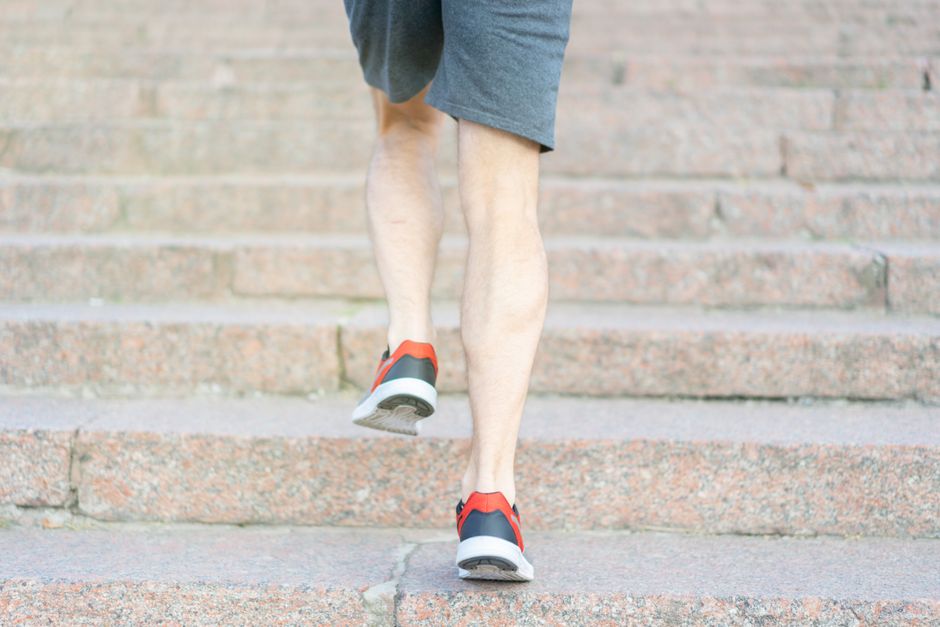
Getting visible abs is about more than doing hundreds of crunches. The muscles are always there, but a layer of fat covers them. To develop abs fast, you need a direct approach that combines targeted strength work with a diet that lowers body fat. The step-by-step method is simple: train the abdominal muscles with progressive resistance, eat in a slight calorie deficit, and prioritize protein. Consistency over six to twelve weeks produces visible change for most people, though genetics influence where fat leaves your body first.
How To Develop Abs Fast: What Actually Works
Developing abs fast requires two things happening at the same time. The abdominal muscles need to grow stronger and thicker. And the layer of fat over them needs to shrink. Neither alone is enough.
Training alone will not reveal abs if body fat stays high. Dieting alone will reveal smaller, flatter abs once fat drops. The fastest visible results come from doing both together.
Most people see meaningful changes within eight to twelve weeks of consistent effort. This timeline assumes you train two to three times per week and maintain a modest calorie deficit. Faster results are possible but usually not sustainable.
What Is the Best Way to Train Your Abs?
Your abdominal muscles respond to resistance like any other muscle group. Progressive overload matters. This means making the exercise harder over time, not just doing more repetitions.
Effective ab training includes exercises that flex the spine, like crunches. It also includes exercises that resist spinal movement, like planks. Both types are needed for complete development.
Weighted exercises build thicker abs faster than bodyweight-only routines. Holding a dumbbell or plate during crunches or using a cable machine adds resistance that forces muscle growth. Bodyweight exercises are fine for beginners but eventually become too easy.
Train your abs two to three times per week with at least one rest day between sessions. Each session should include three to four exercises with three sets of ten to fifteen repetitions. Stop each set when your form begins to break down.
Which Ab Exercises Should You Prioritize?
Not all ab exercises are equal. Some target the upper portion of the rectus abdominis. Others emphasize the lower portion. The obliques along your sides require rotational movements.
These exercises have the strongest evidence for activating the abdominal muscles:
- Crunches — basic spine flexion that targets the upper abs
- Leg raises — emphasize the lower abs and hip flexors
- Planks — build endurance in the deep core stabilizers
- Russian twists — engage the obliques with rotation
- Cable crunches — allow progressive loading with weight
- Hanging leg raises — advanced lower ab work requiring grip strength
Choose two to three of these per session and rotate them. This variety prevents boredom and ensures all regions of the abdominal wall receive attention.
One common mistake is relying only on planks. Planks build endurance but do little for visible muscle size. You need flexion-based movements like crunches and leg raises to actually grow the muscle tissue that shows through as a six-pack.




How Much Cardio Do You Need for Visible Abs?
Cardio helps create the calorie deficit needed to lose fat. But it is not the primary driver. Diet controls body fat more reliably than exercise does.
Moderate cardio three to four times per week supports fat loss. This could be thirty to forty-five minutes of brisk walking, jogging, cycling, or swimming. High-intensity interval training can be effective in shorter durations but is not necessary.
Walking is underrated for fat loss. It burns calories without increasing appetite the way intense cardio sometimes does. Many people find daily walking easier to sustain than scheduled workout sessions.
No amount of cardio reveals abs if your diet puts you in a calorie surplus. Exercise creates a small deficit. Diet creates a large one. Both matter, but they are not equal.
What Should You Eat to Get Abs Faster?
Body fat percentage determines whether your abs are visible. For men, abs typically become visible around 10 to 15 percent body fat. For women, the range is usually 18 to 25 percent. These are general figures and individual variation exists.
A modest calorie deficit of about 300 to 500 calories per day promotes steady fat loss. This translates to roughly one-half to one pound per week. Faster deficits risk muscle loss, which undermines your goal.
Protein intake matters substantially. Higher protein intake preserves muscle during a deficit. A practical target is 0.7 to 1 gram of protein per pound of body weight daily. This is a well-established range for muscle preservation during fat loss.
Whole foods should form the foundation of your diet. Lean meats, fish, eggs, dairy, legumes, vegetables, fruits, and whole grains provide the nutrients your body needs. Processed foods tend to be calorie-dense and less satisfying.
Alcohol can slow progress. It adds empty calories and may reduce muscle protein synthesis. You do not need to eliminate it completely, but limiting intake helps.
How Long Does It Really Take to See Abs?
The honest answer depends on your starting point. Someone starting at 25 percent body fat will take longer than someone starting at 18 percent. Fat loss is not linear, and plateaus are normal.
A reasonable expectation is one to three months for noticeable change and three to six months for fully visible abs. This assumes consistent training and diet adherence. Genetics influence where you store fat and how your abs look when revealed.
Spot reduction is a myth. Doing thousands of crunches does not burn fat over your belly specifically. Fat loss happens throughout the body based on genetics and hormones. You cannot choose where fat leaves first.
Your last few pounds of belly fat are the hardest to lose. The body tends to hold onto abdominal fat stubbornly. This is normal and does not mean your approach is failing.
What Mistakes Prevent People from Getting Abs?
Several common errors stall progress. Recognizing them early saves weeks of wasted effort.
Overtraining is counterproductive. Doing ab exercises daily does not speed results. Muscles grow during recovery, not during the workout itself. Two to three sessions per week is sufficient.
Ignoring diet is the biggest mistake. No exercise program overcomes a poor diet. If your calorie intake exceeds your expenditure, you will not lose the fat covering your abs.
Neglecting other muscles creates imbalance. Strong abs are important, but your back and glutes also support your core. Compound lifts like squats and deadlifts strengthen the entire midsection.
Poor form reduces effectiveness and risks injury. Using momentum to swing through crunches takes tension off the abs. Slow, controlled movements with a mind-muscle connection produce better results.
Expecting perfection sets you up for frustration. Genetics determine ab symmetry and how many segments you can see. Some people naturally have a six-pack. Others have four visible segments or an uneven arrangement. This is normal variation, not failure.
Do Ab Belts or Electrical Stimulation Devices Work?
Marketing for ab belts and electrical muscle stimulation devices is aggressive. The claims often suggest you can build abs while sitting still. The evidence does not support these claims for visible fat loss.
Electrical stimulation can cause muscle contractions. Some research indicates it may produce minor strengthening effects in specific populations. However, no device removes fat or produces visible six-pack abs on its own.
These devices do not create a calorie deficit. They do not reduce body fat. They cannot replace diet and exercise. Treat them as novelty items rather than legitimate training tools.
The same logic applies to vibration plates and other passive devices. If you are not actively working against resistance and managing your diet, you will not see meaningful changes.
Are There Health Risks to Getting Very Lean for Abs?
Pursuing extremely low body fat carries health risks. Men below roughly 8 percent body fat and women below roughly 14 percent may experience hormonal disruptions. This can affect energy, mood, and reproductive health.
For most people, the aesthetic goal of visible abs does not require extreme leanness. A healthy body fat percentage with visible muscle definition is achievable without the risks of contest-level conditioning.
Listen to your body. If you feel constantly fatigued, lose your menstrual cycle, or experience persistent low energy, your fat loss may be too aggressive. These signs warrant adjusting your approach.
Abs are a marker of fitness, not a measure of worth. Sustainable habits that keep you healthy matter more than reaching a specific body fat percentage.
Frequently Asked Questions
Can you get abs in 30 days?
Visible abs in 30 days are only realistic if you already have low body fat and just need to build muscle. For most people, meaningful change takes eight to twelve weeks.
How many days a week should I train my abs?
Train your abs two to three times per week with rest days between sessions. Daily training does not speed results and can interfere with recovery.
Do I need to cut carbs to get abs?
No, carbohydrate restriction is not required. A modest calorie deficit with adequate protein is the evidence-based approach to fat loss.
Why do I have abs but cannot see them?
Your abdominal muscles are covered by a layer of body fat. Lowering your overall body fat percentage through diet and exercise will make them visible.
