
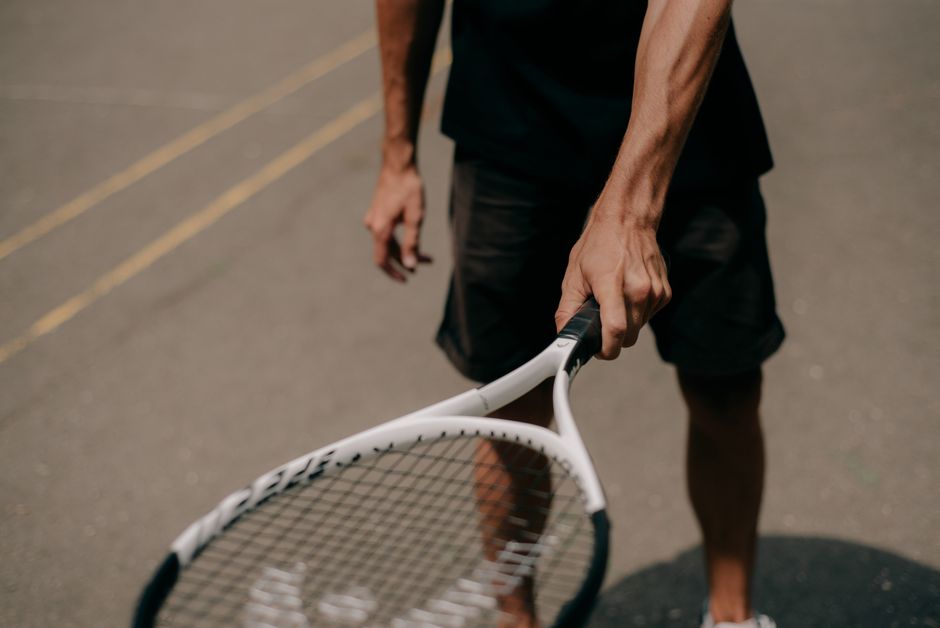
Tennis elbow is a painful condition caused by damage to the tendons on the outside of your elbow. The fix involves a structured approach: rest from the aggravating activity, targeted strengthening exercises, and a gradual return to normal use. For most people, this conservative treatment resolves the problem within several months, though it requires consistency and patience.
What Exactly Is Tennis Elbow?
Tennis elbow is the common name for lateral epicondylitis. That name is actually a bit misleading. The “itis” suggests inflammation, but research shows the problem is more about degeneration of the tendon tissue than active inflammation.
The condition affects the tendons that attach your forearm muscles to the bony bump on the outside of your elbow. These muscles control wrist extension and grip. When they are overused, tiny tears develop in the tendon. Over time, the tendon breaks down and becomes painful.
Despite the name, only about 5 percent of people with tennis elbow actually get it from playing tennis. Anyone who performs repetitive wrist and arm motions can develop it. Painting, plumbing, typing, and using hand tools are common culprits.
What Does Tennis Elbow Feel Like?
The main symptom is pain on the outside of the elbow. The pain may travel down your forearm toward your wrist. It often worsens when you grip objects, twist your wrist, or shake hands.
Simple tasks become difficult. Turning a doorknob, holding a coffee cup, or lifting a grocery bag can trigger sharp pain. Some people notice weakness in their grip. The elbow may feel tender to the touch.
Pain typically develops gradually over weeks or months. It rarely comes on suddenly after a single event. Most people cannot pinpoint the exact moment it started.
How Long Does Tennis Elbow Take To Heal?
This is the most common question people ask, and the honest answer is that it depends. Most people see significant improvement within 6 to 12 weeks of starting proper treatment. However, complete recovery can take 6 to 12 months for some.
The healing timeline depends on several factors. How long you had symptoms before starting treatment matters. Whether you can modify your work or activities matters. Your age and overall health also play a role.
Tendons heal slowly because they have poor blood supply compared to muscles. This is normal. It does not mean your treatment is failing. Consistency matters more than intensity.
What Is the Best Way To Fix Tennis Elbow?
The most effective approach combines relative rest with progressive strengthening exercises. Rest alone often provides temporary relief but does not fix the underlying tendon problem. Exercise alone can worsen the pain if started too aggressively.
Relative rest means reducing or modifying the activity that causes pain, not stopping all movement. You want to avoid gripping, lifting, and repetitive wrist motions that trigger symptoms. But you should keep your arm moving through pain-free ranges.
Physical therapy is the cornerstone of treatment. A therapist can teach you specific exercises that load the tendon progressively. This stimulates the tendon to remodel and become stronger.
The most studied exercise is eccentric strengthening. This involves lowering a weight slowly rather than lifting it. For the wrist extensors, this means using your other hand to lift the wrist up, then slowly lowering it against resistance. Research consistently shows this approach improves outcomes.
What Exercises Help Tennis Elbow?
Starting with isometric exercises is often recommended. These involve contracting the muscle without moving the joint. They build strength without placing excessive strain on the damaged tendon.
One example is the isometric wrist extension. Rest your forearm on a table with your hand hanging off the edge. Make a fist and hold your wrist in a neutral position. Push your hand up against resistance from your other hand, but do not allow movement. Hold for 10 seconds. Repeat several times.
As pain allows, you progress to eccentric exercises. The Tyler twist is a popular option. It uses a flexible bar that you twist with both hands. This exercise specifically targets the wrist extensor muscles involved in tennis elbow.
A physical therapist can guide you on proper form and progression. Doing exercises incorrectly can worsen the condition. Start with light resistance and gradually increase as your pain decreases.
Does Wearing a Brace or Strap Help?
A counterforce brace is a strap worn just below the elbow. It works by changing the angle at which the forearm muscles pull on the tendon attachment. This can reduce stress on the painful area.
Evidence for braces is mixed. Some people find them helpful for reducing pain during daily activities. Others notice little difference. They are generally considered a temporary aid, not a cure.
You can also try a wrist splint that keeps your wrist in a neutral position. This reduces the workload on the forearm muscles. Wearing it at night may help if you sleep with your wrist bent.
When Should You See a Doctor?
See a doctor if the pain lasts more than a few weeks despite home treatment. Also seek medical advice if the pain is severe, if you have numbness or tingling, or if you cannot straighten your arm.
A doctor can confirm the diagnosis and rule out other conditions. Nerve compression in the neck or shoulder can cause referred pain to the elbow. Arthritis can also cause elbow pain, though it typically feels different.
Your doctor may recommend imaging. X-rays are usually normal in tennis elbow. Ultrasound or MRI can show tendon damage, but these are not always necessary for diagnosis.
What Medical Treatments Are Available?
If exercise and activity modification do not resolve the problem, several medical options exist. Physical therapy remains the first-line treatment. The following options are considered when conservative care fails.
Nonsteroidal anti-inflammatory drugs like ibuprofen or naproxen can reduce pain. They do not speed up tendon healing. They are best used short-term to help you tolerate exercises, not as a long-term solution.
Corticosteroid injections provide rapid pain relief. However, research shows they increase the risk of recurrence in the long term. The pain relief is temporary, and the tendon may be more vulnerable to further damage after the injection wears off.
Platelet-rich plasma injections have gained attention. This involves drawing your blood, concentrating the platelets, and injecting them into the damaged tendon. The evidence is mixed. Some studies show benefit, while others show no advantage over placebo. It is not a guaranteed fix.
Surgery is reserved for severe cases that do not improve after 6 to 12 months of conservative treatment. The procedure removes damaged tissue from the tendon. Recovery takes several months, and outcomes are generally good but not perfect.
Can You Prevent Tennis Elbow From Returning?
Prevention focuses on addressing the cause. If your job involves repetitive wrist movements, take regular breaks. Stretch your forearm muscles throughout the day.
Strengthening exercises should continue even after symptoms resolve. Weak forearm muscles make you more susceptible to re-injury. Maintaining strength is the best long-term protection.
If you play racquet sports, check your equipment. A grip that is too small or strings that are too tight can increase strain on the elbow. Consider lessons to improve your technique.
Pay attention to your body. Pain is a warning signal. Pushing through elbow pain during an activity often prolongs the problem rather than building resilience.
What Mistakes Delay Healing?
One common mistake is returning to full activity too soon. Pain relief does not mean the tendon has healed. Tendons need time to remodel after symptoms disappear. A gradual return over several weeks is safer than jumping back in.
Another mistake is relying on pain medication alone. Pills mask the pain without addressing the underlying tendon problem. The pain returns when the medication wears off.
Ignoring the problem entirely is also problematic. Tennis elbow rarely resolves on its own without any intervention. The longer the tendon remains in a degenerative state, the more difficult it becomes to treat.
Frequently Asked Questions
Can tennis elbow heal without treatment?
Some mild cases resolve on their own, but most require at least activity modification and exercise to heal properly. Without treatment, symptoms often persist for months or years.
Is heat or ice better for tennis elbow?
Ice can help reduce pain after activity or exercise, while heat may help loosen the muscles before stretching. Neither ice nor heat repairs the tendon itself.
Should I stop working if I have tennis elbow?
You may need to modify how you perform work tasks, but complete rest is rarely necessary. Ergonomic adjustments and frequent breaks often allow you to continue working while the tendon heals.
How do I know if my elbow pain is tennis elbow or something else?
Tennis elbow pain is specifically on the outside of the elbow and worsens with gripping or wrist extension. Pain on the inside of the elbow suggests golfer’s elbow, and pain with numbness may indicate a nerve problem. A doctor can confirm the diagnosis.
Fix tennis elbow with a consistent program of relative rest and progressive strengthening. Start with isometric exercises, progress to eccentric loading, and modify the activities that caused the problem. If pain persists beyond several months of proper treatment, seek medical evaluation for additional options.
