
Bone overgrowth, also called heterotopic ossification, happens when bone tissue forms where it should not — inside muscles, tendons, or other soft tissues. It is not a tumor. It is not cancer. It is real bone growing in the wrong place. Treatment depends on the cause and severity. Some cases need surgery. Others improve with medication and physical therapy. The key is catching it early and understanding what is driving it.
What Exactly Is Bone Overgrowth?
Bone overgrowth is the medical term for extra bone formation outside the normal skeleton. Doctors call it heterotopic ossification. The word “heterotopic” means “in the wrong place.” This condition can happen after an injury, surgery, or for no clear reason at all.
The extra bone can range from tiny specks to large sheets that lock joints and limit movement. It is not the same as bone spurs, which grow on existing bone. This is new bone forming in soft tissue where bone has no business being. Research published in Bone & Joint Research has shown that the process involves the same cells that build normal bone — they just get activated in the wrong location.
Most cases are mild and cause no symptoms. But when the bone grows large enough to press on nerves or restrict joint movement, it becomes a real problem. The hips, elbows, shoulders, and knees are the most common spots.
What Causes Bone Overgrowth In the First Place?
The causes break down into three main categories: injury, genetics, and surgery. Traumatic injuries like severe burns, head trauma, spinal cord injuries, or major muscle damage can trigger the body to start laying down bone where it is healing. The exact signal is not fully understood, but researchers believe inflammation plays a central role.
Genetic forms exist too. Fibrodysplasia ossificans progressiva is a rare inherited condition where bone forms spontaneously in muscles. It affects about one in two million people worldwide according to the National Institutes of Health. Most cases are not this dramatic.
Surgery is a surprisingly common trigger. Hip replacement surgery, elbow fracture repair, and knee replacement can all stimulate bone overgrowth. The American Academy of Orthopaedic Surgeons estimates that about 5 to 10 percent of patients develop some heterotopic ossification after hip replacement. Most cases are small and do not cause symptoms.
How Do Doctors Diagnose Bone Overgrowth?
Diagnosis usually starts with a physical exam. A doctor will feel for hard lumps under the skin and check the range of motion in nearby joints. If you have pain, swelling, or stiffness after an injury or surgery that is not improving, this is worth bringing up.
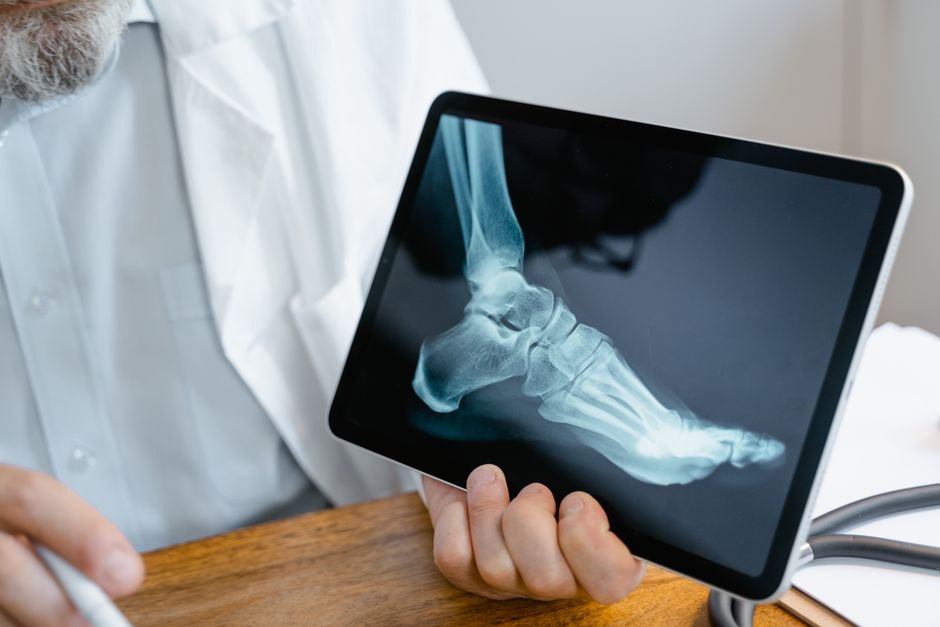
Imaging confirms the diagnosis. X-rays show mature bone clearly. But early bone overgrowth may not appear on X-ray for several weeks. CT scans and bone scans can detect it earlier. Ultrasound is sometimes used to see soft tissue changes before bone fully forms.
Blood tests are not typically helpful. There is no specific marker for bone overgrowth. Doctors rely on your history, physical exam, and imaging to make the call. If you have had a head injury or spinal cord injury and notice new stiffness or swelling in a joint, tell your doctor specifically that you are concerned about heterotopic ossification. Many general doctors do not think of it first.




What Treatments Actually Work for Bone Overgrowth?
Treatment depends on whether the bone overgrowth is causing problems. If it is small and painless, doctors often recommend watching and waiting. Many cases stop growing on their own and never need treatment.
When treatment is needed, the options include:
- Nonsteroidal anti-inflammatory drugs (NSAIDs) like ibuprofen or indomethacin. These reduce inflammation that drives bone formation. Research shows they work best when started soon after injury or surgery.
- Radiation therapy in low doses. This is used to prevent bone overgrowth after high-risk surgeries like hip replacement. It sounds scary but the doses are very small and targeted.
- Surgery to remove the extra bone. This is reserved for cases where the bone is causing pain, limiting movement, or pressing on nerves. Timing matters — surgeons prefer to wait until the bone is mature, usually 6 to 12 months after it forms.
- Physical therapy to maintain range of motion. Gentle stretching and movement can prevent joints from freezing up. Aggressive therapy can make it worse, so work with someone who understands this condition.
There is no medication that stops bone overgrowth completely once it starts. The drugs mentioned above help prevent it from forming in the first place. That is an important distinction. If you already have the bone, NSAIDs will not dissolve it.
Is Surgery Always Needed for Bone Overgrowth?
No. Most people with bone overgrowth never need surgery. A study published in Journal of Orthopaedic Trauma found that only about 15 to 20 percent of patients with symptomatic heterotopic ossification eventually require surgical removal. The rest manage with medication, therapy, or simply adapt to the limited motion.
Surgery becomes necessary when the bone is blocking joint movement to the point where daily activities are hard. For example, bone overgrowth around the elbow can prevent you from straightening your arm fully. Around the hip, it can make walking or sitting uncomfortable.
The surgery itself is called excision. The surgeon cuts out the extra bone. It is not a minor procedure, but it is generally safe. The main risk is that the bone can grow back. Studies suggest the recurrence rate is around 10 to 20 percent. Radiation or NSAIDs after surgery can lower that risk.
What Are the Long-Term Risks of Untreated Bone Overgrowth?
Most untreated bone overgrowth is harmless. It forms, stops growing, and never causes trouble. But in some cases, it can lead to problems that do not go away on their own.
The most common long-term issue is joint stiffness. If the bone bridges across a joint, it can lock that joint in place permanently. This is called ankylosis. It is more common after severe injuries or in people with spinal cord injuries who cannot move the joint normally.
Nerve compression is another risk. Bone growing near a nerve can press on it, causing pain, numbness, or weakness. The sciatic nerve near the hip and the ulnar nerve near the elbow are common spots. This usually requires surgery to relieve the pressure.
Chronic pain is possible but not guaranteed. Some people have large bone growths with no pain. Others have small growths that hurt constantly. There is no way to predict who will have pain and who will not. If you have bone overgrowth and it hurts, do not assume it will resolve on its own. Get it checked.
What Does Research Say About Preventing Bone Overgrowth?
Prevention research focuses on high-risk situations — major trauma, spinal cord injury, and certain surgeries. The strongest evidence supports using NSAIDs right after the injury or surgery. Indomethacin is the most studied drug for this purpose. A 2020 review in Orthopaedics & Traumatology: Surgery & Research found that NSAIDs reduce the risk of heterotopic ossification after hip replacement by about 40 to 50 percent.
Low-dose radiation is another prevention strategy. A single dose of 700 to 800 centigray given within 72 hours of surgery can reduce bone formation. This is used mainly for patients at very high risk, such as those who have already had bone overgrowth after a previous surgery.
What does not work? Calcium supplements, vitamin D, and special diets have no proven role in preventing bone overgrowth. Despite claims online, there is no evidence that magnesium, turmeric, or herbal remedies stop this process. The bone formation here is not related to dietary calcium levels. It is a local tissue response to injury or inflammation.
Can Physical Therapy Make Bone Overgrowth Worse?
Yes. This is an important point that is often missed. Aggressive stretching or forceful manipulation of a joint that has bone overgrowth can irritate the tissue and potentially stimulate more bone formation. The body sees the extra bone as a healing response. If you pull on it, you may trigger more inflammation and more bone.
That does not mean you should avoid movement. Gentle, pain-free range of motion is helpful. The key is working with a physical therapist who understands heterotopic ossification. If your therapist tells you to push through pain, find someone else.
Research on this is limited but consistent. A 2018 study in Archives of Physical Medicine and Rehabilitation found that patients with traumatic brain injury who received gentle passive range of motion had less bone overgrowth than those who received aggressive stretching. Gentle is better.
What Are Common Misconceptions About Bone Overgrowth?
The biggest misconception is that bone overgrowth is the same as arthritis or bone spurs. It is not. Arthritis involves cartilage breakdown in joints. Bone spurs grow on existing bone. Heterotopic ossification is new bone forming in soft tissue. They are different conditions with different treatments.
Another misconception is that calcium supplements cause bone overgrowth. They do not. The extra bone forms because of local cell signals, not because you ate too much calcium. Taking a calcium supplement will not make it worse, and avoiding calcium will not make it better.
Some people believe that surgery always fixes the problem permanently. As mentioned earlier, recurrence rates are real. Surgery is effective but not a guaranteed cure. Following post-surgery prevention protocols matters.
Finally, many people think bone overgrowth is rare. It is not. Mild forms are common after hip replacement and elbow fractures. Most people just never know they have it because it causes no symptoms.
Frequently Asked Questions
Can bone overgrowth go away on its own?
No. Once bone forms, it does not dissolve on its own. But it often stops growing and may stop causing symptoms without treatment.
Is bone overgrowth the same as a bone tumor?
No. Bone overgrowth is not cancer. It is normal bone tissue growing in an abnormal location. It does not spread to other parts of the body.
Does diet affect bone overgrowth?
No evidence shows that diet causes or cures bone overgrowth. It is driven by local tissue signals after injury or surgery, not by what you eat.
Can bone overgrowth come back after surgery?
Yes. Studies show a 10 to 20 percent recurrence rate. Taking NSAIDs or receiving low-dose radiation after surgery can lower this risk.
