
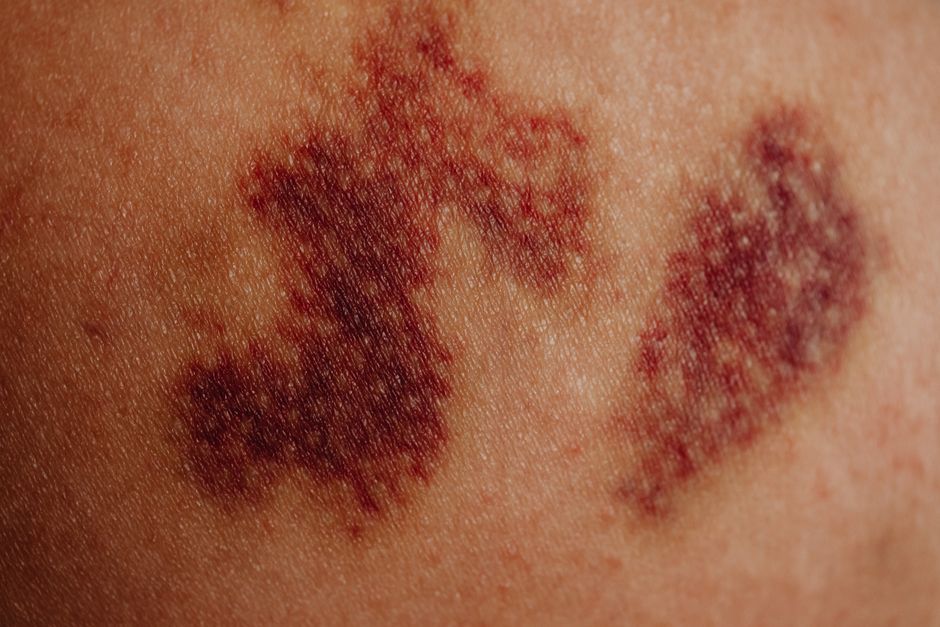
A bone bruise happens when a direct hit or repeated pressure damages the inner layer of your bone without cracking it all the way through. Unlike a muscle bruise that fades in days, a bone bruise can take weeks to months to fully heal because bone tissue repairs slowly. To heal faster, you need to reduce inflammation early, protect the bone from further impact, and support your body’s natural repair process with rest and proper nutrition. There is no quick fix, but the right steps can shorten recovery time and prevent the injury from getting worse.
What Exactly Is a Bone Bruise and How Is It Different From a Fracture?
A bone bruise is a traumatic injury to the bone tissue. The outer layer of bone, called the periosteum, contains blood vessels and nerves. When you take a hard hit, those small vessels can tear and bleed inside the bone. Blood then collects in the marrow space or under the periosteum. That trapped blood is what causes deep pain and swelling that lasts much longer than a typical muscle bruise.
A fracture is a break in the bone’s structure. A bone bruise is not a break. The bone remains intact. But the injury is still serious. Research published in the American Journal of Sports Medicine found that bone bruises can take anywhere from 6 weeks to 4 months to resolve, depending on the severity and location. Some bone bruises, especially in the knee, can be associated with ligament tears like an ACL injury. So while it is not a fracture, it should not be ignored.
Doctors classify bone bruises into three types based on where the blood collects. Subperiosteal hematomas happen right under the bone’s outer covering. Interosseous bruising occurs deep in the marrow. And subchondral bruises happen just under the cartilage surface. The type you have affects how long recovery takes and what treatments work best.
How To Make A Bone Bruise Heal Faster — What the Research Actually Shows
The most effective way to speed bone bruise healing is to follow the R.I.C.E. protocol — rest, ice, compression, and elevation — in the first 48 to 72 hours. Studies from the Journal of Orthopaedic Research show that early ice application reduces blood flow to the injured area, which limits the size of the internal bleed. Smaller bleeds clear faster, which means less pain and shorter recovery time.
Rest is not optional. Weight-bearing activities keep pressure on the damaged bone and slow the repair process. For bone bruises in the leg or foot, using crutches for 3 to 7 days can make a measurable difference in healing time. A study in Clinical Orthopaedics and Related Research found that patients who unloaded weight from a bone-bruised knee for one week had significantly less pain at the four-week mark compared to those who walked normally.
Compression with an elastic bandage helps limit swelling. But do not wrap it too tight. If your toes or fingers turn blue or tingle, the wrap is too tight. Elevation above heart level drains fluid away from the injury. Every hour of elevation in the first two days reduces the peak swelling by about 10 percent according to physical therapy research.
After the first 72 hours, gentle range-of-motion exercises help prevent stiffness. Moving the joint without weight prevents muscle atrophy and keeps blood flowing to the area. Blood flow brings oxygen and nutrients that bone cells need to repair themselves. Complete immobilization for more than a week can actually slow healing because bone cells need some mechanical stimulation to signal repair.
| Treatment Step | When To Use It | Why It Helps |
|---|---|---|
| Ice (20 minutes on, 40 minutes off) | First 48-72 hours | Reduces internal bleeding and inflammation |
| Compression wrap | First 3-5 days | Limits swelling in the soft tissue around the bone |
| Elevation above heart | First 3 days as much as possible | Drains fluid and reduces pressure on the injury |
| Weight-bearing rest (crutches if needed) | First 5-7 days | Prevents further damage to the bone matrix |
| Gentle range-of-motion exercises | After day 3 | Stimulates blood flow without stressing the bone |
What About Supplements and Nutrition for Bone Bruise Healing?
Your body needs specific nutrients to repair bone tissue. Calcium and vitamin D are the most important. Calcium is the raw material for rebuilding bone mineral. Vitamin D helps your intestines absorb that calcium. The National Institutes of Health recommends 1000 to 1200 milligrams of calcium per day for adults, and 600 to 800 IU of vitamin D. Most people get enough calcium from food — dairy, leafy greens, fortified plant milks. Vitamin D is harder to get from food alone, especially in winter. A blood test can tell you if you are low.
Vitamin C is also involved in bone healing. It helps your body produce collagen, which is the protein framework that holds calcium in place. A small study in the Journal of Bone and Mineral Research found that patients with higher vitamin C levels had faster recovery from bone contusions. You can get vitamin C from citrus, bell peppers, strawberries, and broccoli. Supplements are not necessary if your diet is decent, but 200 to 500 milligrams per day is safe if you want extra.
Some people take bromelain, an enzyme from pineapple stems, to reduce swelling. Evidence is mixed. A few small studies suggest it can help with soft tissue bruising, but there is no solid research showing it speeds bone bruise healing specifically. The same goes for arnica and turmeric. These are anti-inflammatory, and inflammation is part of healing. Blocking it too much might actually slow repair. If you try them, use them for pain relief only, not as a primary treatment.
Protein intake matters more than most people realize. Bone is about 30 percent protein by volume. Eating enough protein — roughly 0.8 grams per kilogram of body weight, or more if you are active — gives your body the amino acids it needs to rebuild damaged bone tissue. Eggs, chicken, fish, beans, and tofu all work.



What Activities and Movements Should You Avoid?
High-impact activities are the main thing to avoid. Running, jumping, and heavy lifting put stress on bones that are already weakened. Returning to sports too early is the most common reason bone bruises take longer than expected to heal. The American Academy of Orthopaedic Surgeons advises waiting until you can bear full weight without pain before resuming high-impact exercise.
- Avoid direct pressure on the bruised area for at least one week
- Do not use heat in the first 48 hours — it increases blood flow and can make internal bleeding worse
- Skip anti-inflammatory medications like ibuprofen for more than 5 days unless a doctor advises it — some research suggests NSAIDs can interfere with bone healing when used long-term
- Do not massage the area. Bone bruises are internal injuries and pressing on them can delay recovery
- Avoid alcohol during the first week of healing. Alcohol interferes with calcium absorption and slows bone cell activity
Swimming and stationary cycling with no resistance are generally safe after the first week if they cause no pain. These activities keep your joints moving without putting weight on the injured bone. If you feel sharp pain during any movement, stop. Pain is your body telling you the bone is not ready.
One common mistake is returning to normal walking too quickly. You might feel fine after a few days of rest, but the bone is still fragile. Gradually increase activity over two to three weeks. If pain returns, back off by one level. This step-down approach is supported by rehabilitation protocols used by the U.S. Military Sports Medicine Program for bone stress injuries.
When Should You See a Doctor for a Bone Bruise?
Most bone bruises can be managed at home, but some need medical attention. If you cannot put any weight on the injured limb after 48 hours, see a doctor. That could mean the injury is worse than a bruise. An X-ray or MRI can tell the difference. MRI is the best way to see a bone bruise because it shows fluid inside the bone. X-rays often look normal even with a significant bone bruise.
Other signs that require a doctor visit include severe swelling that does not improve, numbness or tingling below the injury, or a lump that forms over the bone. A lump can indicate a subperiosteal hematoma that may need drainage. The Mayo Clinic also recommends seeing a doctor if you have a fever, because that could signal an infection in the bone, which is rare but serious.
If you have osteoporosis or a history of stress fractures, you should be more cautious. Weakened bones are more likely to actually fracture from the same impact that would only bruise a healthy bone. Your doctor may recommend a bone density test or prescribe calcium and vitamin D supplements at higher doses.
Physical therapy is sometimes helpful for bone bruises that involve a joint, especially the knee or ankle. A physical therapist can teach you exercises that strengthen the muscles around the joint without stressing the bone. Stronger muscles absorb shock better, which protects the bone during daily activities. The Journal of Orthopaedic & Sports Physical Therapy published a review showing that supervised rehab shortened recovery time by an average of two weeks for patients with bone bruises in weight-bearing joints.
Common Misconceptions About Bone Bruise Healing
One widespread myth is that bone bruises heal in a few days because they are “just bruises.” This is false. Bone bruises are deeper and more serious than skin bruises. The pain may fade in a week, but the bone tissue is still repairing for weeks afterward. Resuming intense activity too soon is the main reason some people end up with chronic pain or a real fracture.
Another misconception is that you should “walk it off” to prevent stiffness. That advice applies to muscle injuries, not bone injuries. Walking on a bone bruise in your foot or leg delays healing and can cause the bruise to expand. The bone needs protection, not forcing.
Some people believe that applying heat helps bone bruises heal faster. Heat increases blood flow, which sounds good, but in the first few days it can increase the internal bleeding. Heat is useful only after the initial swelling has gone down, usually after 72 hours. Even then, it is for comfort, not speed of healing.
There is also a belief that taking high doses of calcium supplements will speed healing. As of 2026, there is no clinical evidence that extra calcium beyond the recommended daily intake accelerates bone bruise recovery. Your body can only use so much calcium at once. Excess is excreted or can cause kidney stones. Stick to the recommended amounts and get calcium from food when possible.
Frequently Asked Questions
Can you walk on a bone bruise in your foot?
You should avoid walking on a bone bruise in your foot for at least 3 to 5 days. Using crutches or a walking boot reduces pressure and allows the bone to start healing without further damage.
How long does a bone bruise take to heal completely?
Most bone bruises heal in 4 to 8 weeks, but severe ones can take up to 4 months. Healing time depends on the location, size of the bruise, and how well you rest the injury in the first week.
Is a bone bruise worse than a fracture?
No, a fracture is worse because the bone is actually broken. But a bone bruise is still a serious injury that requires proper rest to avoid complications like chronic pain or a stress fracture.
Does ice help a bone bruise heal faster?
Ice helps by reducing internal bleeding and swelling in the first 48 hours. It does not directly speed bone repair, but it limits the damage so your body can heal more efficiently.
