
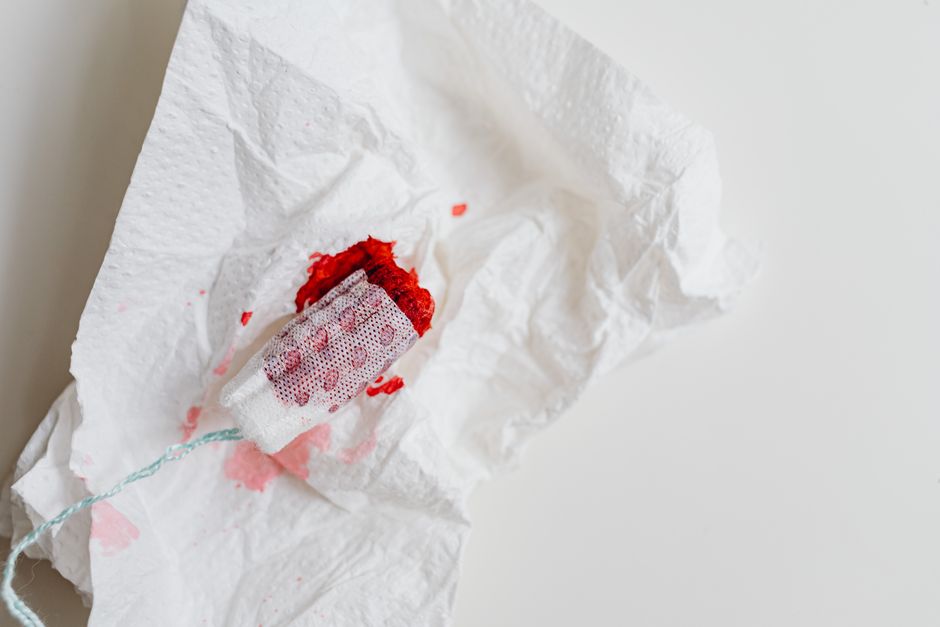
Bleeding during pregnancy is common, especially in the first trimester, and in many cases the pregnancy continues normally. It can come from the cervix, the uterus, or the placenta, and the cause depends heavily on how far along you are. The key question is not whether there is bleeding, but how much, what it looks like, and what other symptoms come with it.
What Causes Bleeding During Pregnancy And When To Worry?
Most early bleeding is not a sign that something is wrong. Studies suggest that roughly one in four pregnant women experiences some bleeding in the first trimester, and the majority go on to have healthy pregnancies.
The causes fall into a few broad groups. Some are harmless changes that happen as the body adjusts. Others are serious and need care right away. Timing is the single most useful clue for sorting them out.
First trimester bleeding (weeks 1 through 12) is most often linked to implantation, hormonal changes, or the cervix. Second and third trimester bleeding (weeks 13 through birth) is more likely to involve the placenta or preterm labor, and it deserves faster attention.
One clarification that surprises many people: the amount of blood is not always proportional to the danger. A small amount of bright red blood can signal something serious, while a larger amount of brown discharge is often old blood that is on its way out. Color and quantity both matter, but neither tells the whole story on its own.
What Causes Bleeding in Early Pregnancy?
Early pregnancy is when bleeding is most common and, counterintuitively, most often benign. Here are the usual causes.
Implantation bleeding. When a fertilized egg attaches to the lining of the uterus, it can cause light spotting. This typically happens around the time a period would be due, which is why some women mistake it for a period. It is usually light, pink or brown, and lasts a short time.
Hormonal changes. Rising hormones can make the cervix more sensitive and more likely to bleed, particularly after sex or a pelvic exam. This is not dangerous.
Ectopic pregnancy. This is when a fertilized egg implants outside the uterus, most often in a fallopian tube. It cannot survive there, and it can become life-threatening for the mother if the tube ruptures. Ectopic pregnancy is a medical emergency. Warning signs include sharp or stabbing pain on one side, shoulder pain, dizziness, and heavy bleeding.
Miscarriage. Bleeding is the most common sign of miscarriage, but bleeding alone does not mean a miscarriage is happening. Many women who bleed in early pregnancy carry to term. Cramping that feels like strong menstrual cramps, passing tissue, or bleeding that gets heavier over time are more concerning.
Molar pregnancy. This is a rare condition where abnormal tissue grows inside the uterus instead of a normal pregnancy. It is uncommon but serious and requires medical treatment.
What Causes Bleeding in Later Pregnancy?
Bleeding after the first trimester is less common and generally needs faster evaluation. The placenta is usually involved.
Placenta previa. This is when the placenta sits low in the uterus and covers or nears the cervix. It can cause sudden, painless, bright red bleeding. It is often found on ultrasound before it causes bleeding.
Placental abruption. This is when the placenta separates from the wall of the uterus before birth. It typically causes bleeding along with constant abdominal pain and a hard, tender belly. Abruption is a medical emergency for both mother and baby.
Preterm labor. Bleeding can sometimes be a sign that labor is starting early. It may come with contractions, pressure in the pelvis, or a change in vaginal discharge.
Other causes. Cervical changes, infection, and, rarely, a condition called vasa previa (where fetal blood vessels cross the cervix) can also cause bleeding late in pregnancy.





How Do You Tell the Difference Between Normal and Concerning Bleeding?
There is no single rule, but a few features help separate spotting that can be watched from bleeding that needs a call or a trip to the emergency room.
Color matters to a degree. Brown or dark discharge is usually old blood. Bright red blood is fresher and more likely to be active bleeding. Light pink spotting is often minor.
Amount matters more. Spotting that only shows when you wipe is different from bleeding that soaks a pad.
What comes with it matters most. Pain, cramping, dizziness, fainting, fever, or passing tissue all raise the concern level.
| Feature | Often less urgent | Needs prompt care |
|---|---|---|
| Color | Brown, dark, or light pink | Bright red |
| Amount | Spotting, only when wiping | Soaking a pad, clots |
| Pain | None or mild | Sharp, constant, or one-sided |
| Other signs | None | Dizziness, fainting, fever, tissue |
This table is a guide, not a diagnosis. When in doubt, call your provider. It is always reasonable to be checked.
When Should You Call a Doctor or Go to the Emergency Room?
Some situations need care without delay. Do not wait to see if they improve on their own.
Go to the emergency room or call emergency services if you have:
- Heavy bleeding that soaks through a pad in an hour or less
- Severe or constant abdominal pain
- Sharp pain on one side, especially with shoulder pain or dizziness
- Fainting, lightheadedness, or a racing heart
- Fever with bleeding
- Passing tissue or large clots
Call your provider the same day if you have light bleeding that continues, bleeding that gets heavier, or any bleeding after the first trimester.
One point worth stating plainly: bleeding during pregnancy is never something to simply ignore, even when it turns out to be harmless. Getting checked is the safe move, and it also gives you information and peace of mind.
What Happens When You Get Evaluated for Bleeding?
Doctors have a fairly standard approach to pregnancy bleeding. Knowing what to expect can make the visit less stressful.
Your provider will likely ask about the timing, color, and amount of bleeding, plus any pain or other symptoms. They will check your vital signs and may do a pelvic exam.
An ultrasound is the main tool. It can show whether the pregnancy is in the uterus, how far along it is, whether a heartbeat is present, and where the placenta sits. Blood tests can measure pregnancy hormones and check your blood count. In some cases, a test called a speculum exam helps look at the cervix directly.
What the evaluation finds determines the next step. Some causes need monitoring. Others need treatment or immediate care. Many cases turn out to have no clear cause, and the bleeding stops on its own with the pregnancy continuing normally.
Does Bleeding Mean You Are Having a Miscarriage?
No. Bleeding during early pregnancy does not mean a miscarriage is happening, and it does not mean one will happen.
Many women who bleed in the first trimester go on to have healthy babies. That said, bleeding is more common in pregnancies that do end in miscarriage, so it should always be evaluated rather than dismissed.
The most reliable way to know what is happening is an ultrasound and, sometimes, blood tests over time. If a heartbeat is seen and the pregnancy looks normal on ultrasound, the outlook is generally good, though follow-up may still be recommended.
Can You Prevent Bleeding During Pregnancy?
Most causes of pregnancy bleeding cannot be prevented, because they come from implantation, hormones, or the position of the placenta. There is no proven way to stop implantation bleeding or prevent placenta previa.
What you can do is manage risk factors that are within your control. Not smoking, avoiding heavy alcohol use, and getting regular prenatal care are all linked to better pregnancy outcomes. If you have had bleeding in a past pregnancy, tell your provider early so they can monitor you.
Some clinicians recommend avoiding intercourse and strenuous activity when bleeding has occurred, but the evidence that this changes outcomes is limited. Follow your own provider’s guidance rather than general advice.
Frequently Asked Questions
Is it normal to bleed a little in early pregnancy?
Light spotting in early pregnancy is common and often harmless, and many women who experience it have healthy pregnancies. It should still be reported to your provider so the cause can be checked.
How much bleeding is too much during pregnancy?
Bleeding that soaks through a pad in an hour or less, or that comes with clots or tissue, needs emergency care. Any heavy bleeding should be treated as urgent.
What does brown discharge during pregnancy mean?
Brown discharge is usually old blood that has taken time to leave the body, which often means the bleeding has slowed or stopped. It is generally less concerning than bright red blood, but it should still be mentioned to your provider.
Can you bleed during pregnancy and still have a healthy baby?
Yes. Many women who bleed in early pregnancy go on to deliver healthy babies. Bleeding is a reason to get checked, not a prediction of the outcome.
