
Seeing a few drops of blood on your underwear during pregnancy is frightening, and the first question most people ask is whether something is wrong. Spotting in early pregnancy is common, and in many cases it lasts only a day or two and stops on its own. But the length of time it lasts is not what matters most — what matters is how heavy the bleeding is, whether it comes with pain or cramping, and how far along you are.
There is no single “normal” number of days for spotting. Some spotting resolves within 24 to 48 hours. Some continues lightly for several days. The pattern matters more than the clock. Any bleeding that soaks a pad, comes with strong cramping, or continues to get heavier needs medical attention right away, regardless of how long it has been going on.
What Counts as Spotting Versus Bleeding?
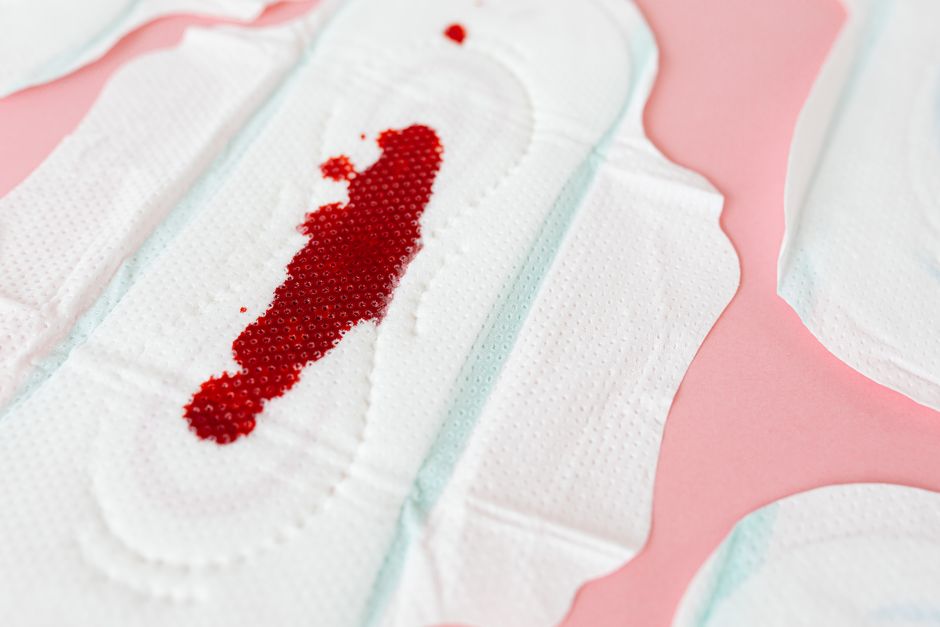
Spotting is light blood loss that does not fill a panty liner. It usually looks pink, brown, or light red. You might see it only when you wipe, or as a few small marks on your underwear.
Bleeding is heavier. It fills a panty liner or pad. It may be bright red and flow like a period. The difference matters because spotting and bleeding point to different concerns and different levels of urgency.
Brown spotting is often older blood that took time to leave the uterus. Pink or red spotting is usually fresher blood. The color alone does not tell you whether something is wrong. A person with brown spotting can still have a problem, and a person with red spotting can be perfectly fine.
What you should track:
- How much blood there is — drops, a liner, or a full pad
- The color — brown, pink, or bright red
- Whether it is getting heavier, lighter, or staying the same
- Any pain, cramping, or tissue passing
- Dizziness, fainting, or a racing heartbeat
Those last symptoms are not about spotting at all. They suggest significant blood loss and are a reason to seek emergency care.
How Long Is Spotting Normal During Pregnancy?
For light spotting with no other symptoms, a short course is common. Many cases last a day or two. Some last up to several days. The key phrase is “with no other symptoms.”
There is no research-based cutoff that says spotting is safe for exactly three days and dangerous on day four. That number does not exist. What clinicians watch is the trend. Spotting that is light, stable, and painless is generally less concerning than spotting that is increasing, changing color to bright red, or paired with cramps.
If spotting continues for more than a few days, or if it comes and goes over a week or more, that is worth a call to your provider. It may still turn out to be harmless. But a pattern that keeps returning deserves a look.
One clarification that surprises many people: spotting is not automatically a sign of miscarriage. Research consistently shows that a large share of pregnancies with early light bleeding continue normally. The presence of bleeding raises the question, but it does not answer it.
What Causes Spotting in Early Pregnancy?
Several things can cause light bleeding in the first trimester. Most are not dangerous.
Implantation bleeding happens when the fertilized egg attaches to the lining of the uterus. It is often described as light spotting around the time a period would be due. Not everyone has it, and some researchers question how common it truly is. The evidence on how often it occurs is not strong.
Hormonal changes can make the cervix more sensitive. The cervix has more blood flow during pregnancy, so minor irritation can cause a small amount of bleeding.
Sex or a pelvic exam can trigger spotting for the same reason. A sensitive cervix may bleed a little after contact.
Subchorionic hematoma is a collection of blood between the uterine wall and the membranes around the embryo. It is a known cause of first-trimester bleeding and is usually found on ultrasound. Many small hematomas resolve on their own, though larger ones are linked to higher risk of complications.
Ectopic pregnancy is when the embryo implants outside the uterus, most often in a fallopian tube. This is a medical emergency. It can cause light bleeding along with one-sided pain, and it can become life-threatening if not treated. Any combination of bleeding and sharp or one-sided pain needs immediate care.
Miscarriage is the loss of a pregnancy before 20 weeks. Bleeding is a common sign, but bleeding alone does not confirm it. Cramping and passing tissue are more suggestive. An ultrasound and blood tests are needed to know for sure.




Does Spotting Mean Miscarriage?
No. Spotting does not mean you are having a miscarriage. It means there is bleeding that needs to be evaluated.
Light bleeding in early pregnancy is common, and many people who have it go on to have healthy pregnancies. At the same time, bleeding is also one of the signs of miscarriage. The two facts sit together. That is why the symptom is taken seriously without being treated as a verdict.
Signs that raise concern more than light spotting on its own:
- Bleeding that gets heavier instead of lighter
- Bright red blood rather than brown or pink
- Cramping that feels like strong period cramps
- Passing clots or grayish tissue
- Pain on one side of the lower belly
If any of these are happening, contact your provider or go to an emergency department. Do not wait to see if it improves on its own.
What About Spotting Later in Pregnancy?
Spotting in the second or third trimester is treated differently. It is not expected, and it should always be reported.
Later bleeding can come from the cervix, from the placenta, or from the onset of labor. Two serious causes are placenta previa, where the placenta covers the cervix, and placental abruption, where the placenta separates from the uterine wall. Both can cause bleeding and both need urgent evaluation.
Any bleeding after 20 weeks should be checked the same day. This is not a wait-and-see situation.
A small amount of bloody discharge near your due date can be part of the mucus plug passing or early labor. Even so, it is worth a call, because only an exam can tell the difference between normal pre-labor changes and something that needs attention.
When Should You Call Your Provider?
Call your provider any time you are unsure. That is a valid reason on its own, and no one will think you are overreacting.
Call promptly if:
- Spotting lasts more than a few days or keeps returning
- The bleeding becomes heavier or turns bright red
- You have cramping, pelvic pain, or back pain
- You pass clots or tissue
- You feel dizzy, faint, or unusually weak
Go to an emergency department right away if you have heavy bleeding, severe pain, shoulder pain with belly pain, or you feel like you might pass out. Shoulder pain combined with abdominal pain can be a sign of internal bleeding from an ectopic pregnancy and is an emergency.
When you call, your provider may ask about how much you are bleeding, the color, and any pain. They may recommend an ultrasound, a blood test to check pregnancy hormone levels, or both. Sometimes a repeat test a couple of days later is needed to see whether levels are rising as expected.
What you should not do is search for an answer that fits and then wait. Spotting has many causes, and only an exam can sort them out.
What to Expect at Your Appointment
Your provider will likely start with questions and a physical exam. An ultrasound can show whether the pregnancy is in the uterus, whether a heartbeat is visible, and whether there is a hematoma or other cause of bleeding.
Blood tests can measure hCG, a hormone the placenta makes. A single value tells you less than two values taken a day or two apart. How the number changes over time gives more information than any single result.
In very early pregnancy, sometimes it is simply too soon to see much on an ultrasound. In that case, the plan is usually to wait and repeat testing. That waiting period is hard, and it is normal to find it hard.
If a cause is found, treatment depends on what it is. Many small hematomas need no treatment and are monitored. Ectopic pregnancy requires treatment, which may be medication or surgery. Miscarriage may be managed by waiting, medication, or a procedure, depending on the situation and your preferences.
For many people with light spotting and no other findings, the answer is monitoring. That is not a brush-off. It reflects the fact that early pregnancy bleeding often has no identifiable cause and often resolves without any intervention.
Frequently Asked Questions
How long does implantation bleeding last?
Implantation bleeding, when it happens, usually lasts from a few hours to a couple of days. It is typically very light and often brown or pink rather than bright red.
Is brown spotting safer than red spotting?
Brown spotting usually means older blood, which is often less concerning than fresh red blood. But color alone does not confirm that everything is fine, so any spotting should be reported to your provider.
Can spotting be normal and the pregnancy still be healthy?
Yes. Many pregnancies with light early spotting continue normally. Light bleeding on its own does not mean the pregnancy is failing, but it does need to be checked.
When should I go to the emergency room for spotting?
Go right away if bleeding is heavy, soaks a pad, comes with severe or one-sided pain, or you feel dizzy or faint. These signs can point to an ectopic pregnancy or significant blood loss.
