
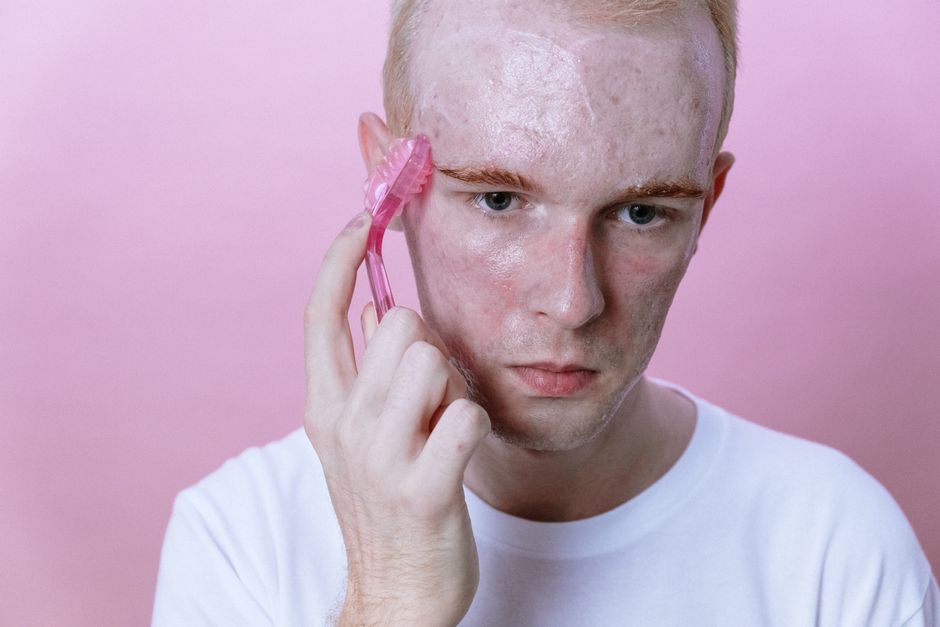
Chest acne is common, and in most cases it comes down to a mix of hormones and sweat. Hormones drive oil production in the skin, and sweat traps that oil and dead skin against your chest. Together they can clog pores and cause breakouts. It is not usually a sign of poor hygiene, and it is rarely dangerous. But the pattern of your breakouts can tell you something about what is driving them.
What Does Acne On Chest Mean Hormones Sweat More?
Acne on the chest means hair follicles and oil glands in that area are getting blocked and inflamed. Hormones and sweat are two of the most common reasons that happens.
Your chest has a high density of sebaceous glands — the glands that make sebum, the skin’s natural oil. Hormones, mainly androgens like testosterone, signal these glands to produce more oil. Sweat does not cause acne by itself. What it does is create a warm, moist environment and mix with oil and dead skin cells, which makes it easier for pores to clog.
This is why chest acne often shows up in people who sweat heavily, wear tight clothing, or work out often. The sweat is not the direct cause. It is the amplifier.
How Do Hormones Cause Chest Acne?
Androgens are the main hormonal driver of acne anywhere on the body, including the chest. These hormones — testosterone and its relatives — stimulate the sebaceous glands to make more sebum.
More oil does not automatically mean acne. But when excess sebum combines with dead skin cells that are not shedding normally, it plugs the follicle. A common skin bacterium called Cutibacterium acnes, which lives on most people’s skin, can then multiply in the blocked pore and trigger inflammation. That is the redness and swelling you see.
Hormonal acne tends to cluster in areas with the most oil glands — the face, chest, upper back, and shoulders. That distribution is one reason chest acne often has a hormonal component.
Adolescence and the teenage years are the most obvious example, when androgen levels rise sharply. But adults can see hormonal chest acne too. Some women notice breakouts tied to the menstrual cycle, and hormonal conditions like polycystic ovary syndrome (PCOS) can drive persistent acne. Hormonal acne in adults is not always tied to a diagnosed condition, though. Many people have normal hormone levels and still get breakouts.
Does Sweat Actually Cause Chest Acne?
Sweat alone does not cause acne. This is one of the most common myths about chest breakouts.
What sweat does is create conditions that make acne more likely. When you sweat, moisture sits against your skin, especially under tight clothing or a sports bra. That warm, damp environment softens the outer layer of skin and can make it easier for pores to block. Sweat mixed with sebum and dead skin cells becomes a plug waiting to happen.
There is another factor people often miss. Friction matters. Tight straps, synthetic fabrics, and heavy backpacks rub against the chest and shoulders. That repeated rubbing irritates follicles and can make breakouts worse. So the issue is often sweat plus friction plus trapped heat, not sweat on its own.
This is why chest acne is common in athletes, people who work in hot environments, and anyone who spends long stretches in sweaty clothing.



Is It Acne Or Something Else?
Not every bump on the chest is acne. Several other skin conditions look similar but have different causes and need different care.
Two conditions are worth knowing about because they are often confused with acne:
- Folliculitis is inflammation or infection of the hair follicles, often caused by bacteria or friction. It looks like small red bumps or pus-filled spots, similar to acne.
- Keratosis pilaris is a harmless condition that causes small, rough bumps, usually on the upper arms and sometimes the chest. It is not acne and does not involve infection.
Other possibilities include heat rash (also called prickly heat), which comes from blocked sweat ducts and looks like tiny itchy bumps. A fungal infection on the chest can also cause a rash that some people mistake for acne.
Because these conditions can look alike, a dermatologist is the right person to tell them apart. If your chest breakouts are itchy, do not respond to standard acne care, or keep coming back, getting a proper diagnosis matters. Treating folliculitis or a fungal rash with acne products will not fix it and can irritate your skin further.
What Makes Chest Acne Worse?
Several everyday habits make chest breakouts more likely. Most are easy to adjust.
- Staying in sweaty clothes. Changing out of workout gear or damp clothing promptly reduces the time sweat sits against your skin.
- Tight, non-breathable fabrics. Synthetic materials trap heat and moisture. Loose, breathable clothing helps.
- Friction from straps and bags. Repeated rubbing irritates follicles.
- Not showering after heavy sweating. Rinsing off after exercise removes sweat, oil, and bacteria.
- Harsh scrubbing. Aggressive washing irritates skin and can make inflammation worse. Gentle cleansing is better.
- Some skincare and body products. Heavy lotions, oils, and comedogenic (pore-clogging) products on the chest can contribute.
One clarification worth making: dirty skin is not the cause of acne. Acne is driven by oil, hormones, and blocked pores, not by poor hygiene. Over-washing and scrubbing can actually backfire by irritating the skin.
How Is Chest Acne Treated?
Treatment depends on how severe the acne is and what is driving it. For mild chest acne, some clinicians recommend over-the-counter options first.
Common approaches include:
- Benzoyl peroxide washes or creams, which help reduce acne bacteria and inflammation. These can bleach fabric, so keep that in mind with clothing.
- Salicylic acid, which helps unclog pores.
- Gentle, non-comedogenic cleansers and moisturizers.
For moderate to severe acne, or acne that does not improve, a dermatologist may recommend prescription treatments. These can include topical retinoids, topical or oral antibiotics, or in some cases hormonal treatments for women. Oral isotretinoin is reserved for severe cases and requires medical supervision.
The evidence for these treatments varies by option and by severity. Benzoyl peroxide and topical retinoids have a solid body of clinical evidence behind them for acne generally. That said, most acne research has been done on facial acne, and chest acne is studied less directly. Many treatments are used on the chest based on how they work on acne in general, which is reasonable but worth knowing.
If you suspect a hormonal cause — for example, persistent acne along with irregular periods or other symptoms — talk to a doctor. Hormonal acne sometimes needs a different approach than standard acne care.
When Should You See A Doctor?
Most chest acne is not a medical concern. But some situations call for a professional look.
See a doctor or dermatologist if:
- The acne is severe, painful, or leaving scars
- It does not improve after several weeks of consistent over-the-counter care
- You have signs of a hormonal condition, such as irregular periods or unusual hair growth
- The bumps are itchy, spreading, or look different from typical acne
- You are unsure whether it is acne at all
Scarring is the main reason not to wait too long. Acne that scars can leave lasting marks, and earlier treatment tends to work better than waiting.
Frequently Asked Questions
Does sweating cause chest acne?
Sweat does not cause acne directly, but it makes breakouts more likely by trapping oil and dead skin against your skin. Changing out of sweaty clothing and showering after heavy sweating helps reduce the risk.
How do I know if my chest acne is hormonal?
Hormonal acne tends to appear in areas with many oil glands, like the chest, back, and face, and may flare around your menstrual cycle. A doctor can help determine whether hormones are playing a role.
Should I shower every time I sweat to prevent chest acne?
Rinsing off after heavy sweating helps remove sweat, oil, and bacteria. If a full shower is not possible, changing out of damp clothing promptly is a practical step.
Can chest acne be a sign of something serious?
Chest acne is usually not serious and is rarely a sign of a medical problem. See a doctor if it is severe, scarring, not improving, or comes with other symptoms like irregular periods.
