
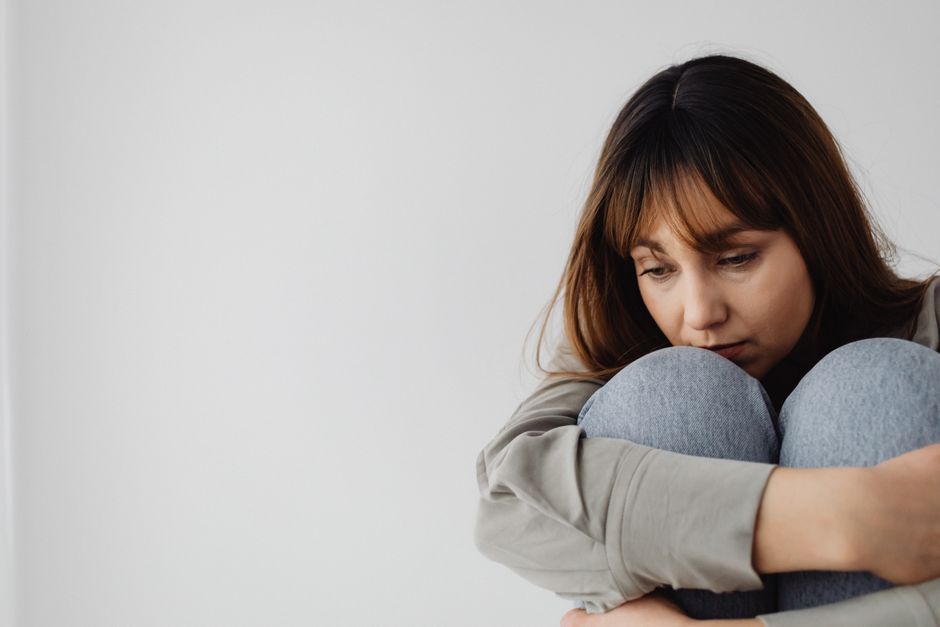
Anxious attachment is a pattern of relating to loved ones that is rooted in the early bond between a child and their primary caregiver. In children, it shows up as intense distress when separated from a parent and difficulty being soothed upon their return. In adults, it often appears as a constant need for reassurance, fear of abandonment, and worry that a partner’s affection might disappear. These patterns do not appear randomly; they develop from specific, repeated caregiving experiences and can persist into adulthood if not addressed.
What Causes Anxious Attachment In Children And Adults?
The primary cause of anxious attachment is inconsistent caregiving during infancy and early childhood. When a parent or primary caregiver sometimes responds warmly and promptly to a child’s needs but at other times is distant, distracted, or unavailable, the child learns that comfort is unpredictable. The child cannot rely on the caregiver’s presence, so they become hypervigilant about monitoring that person’s availability and emotional state.
This inconsistency does not have to be extreme or neglectful. It can be as subtle as a parent who is loving but frequently stressed, a caregiver who alternates between engagement and withdrawal, or a household where emotional expression is discouraged but physical needs are met. The child’s developing brain registers that safety is not guaranteed, so the attachment system stays in a state of heightened alert.
In adulthood, this same learned pattern transfers to romantic partners and close friends. The adult does not trust that love will remain steady, so they seek constant proof of it. This is not a personality flaw; it is a learned survival strategy that once made sense in childhood but now creates relationship distress.
How Does Inconsistent Parenting Shape Attachment?
The attachment system develops in the first two to three years of life, but it continues to be shaped throughout childhood. Repeated experiences with a caregiver form what researchers call an internal working model. This is the child’s mental template for how relationships work. If the template says that caregivers sometimes stay and sometimes leave, the child grows up expecting that pattern in all close relationships.
Specific parenting behaviors that contribute to anxious attachment include:
- Responding to a crying infant quickly sometimes, but ignoring them other times for no clear reason
- Using withdrawal of love or attention as a discipline tactic
- Being emotionally overwhelmed by the child’s distress and either lashing out or shutting down
- Leaving the child with different caregivers frequently without a stable primary figure
- Parental anxiety that makes the parent clingy toward the child, sending mixed signals about independence
None of these behaviors are malicious. Most parents who create anxious attachment patterns are doing their best under difficult circumstances. The child, however, does not understand the parent’s stress or mental state. They only understand that comfort is not dependable.
Can Anxious Attachment Develop Later In Life?
Yes, but the cause is different. Adults who had secure attachments in childhood can develop anxious attachment after a traumatic relationship event. A sudden betrayal, a partner who repeatedly threatens to leave, or growing up in an environment where emotional needs were mocked can all shift an adult’s attachment style toward anxiety.
Adult relationship experiences can also reinforce an existing anxious pattern. If someone with a secure baseline enters a relationship with a partner who is avoidant or emotionally distant, they may become preoccupied and anxious. This is often called attachment system activation. The secure person starts to behave in anxious ways because the relationship itself is unpredictable.
Life events that increase general vulnerability, such as grief, illness, or major transitions, can also make a person more sensitive to abandonment cues. The attachment system is not fixed. It is a dynamic system that responds to current circumstances, even if its baseline was set in childhood.





How Does Anxious Attachment Show Up In Daily Life?
In children, anxious attachment looks like intense separation anxiety that goes beyond typical developmental stages. A child with anxious attachment may refuse to go to school, have tantrums at daycare drop-off that last much longer than a few minutes, or constantly ask where their parent is even when the parent is in the next room. They may also be difficult to comfort after a minor injury or disappointment because their distress is amplified by the fear that comfort will not come.
In adults, anxious attachment appears in specific behavioral patterns:
- Checking a partner’s phone or social media activity to monitor for signs of withdrawal
- Sending multiple texts when a reply is delayed and feeling physical panic
- Overinterpreting small changes in tone or enthusiasm as signs of impending rejection
- Staying in unsatisfying relationships because leaving feels more terrifying than staying
- Feeling jealous or possessive even when there is no evidence of a threat
These behaviors are not manipulative. They are driven by a genuine fear that the attachment figure will disappear. The anxious person is not trying to control their partner; they are trying to manage their own overwhelming distress.
Is Anxious Attachment The Same As Separation Anxiety?
No, but they are related. Separation anxiety is a specific condition most commonly diagnosed in childhood. It involves developmentally inappropriate distress about being away from home or attachment figures. Anxious attachment is a broader relational pattern that persists into adulthood and affects how a person manages closeness and distance in all relationships.
A child can have separation anxiety without having anxious attachment, and an adult can have anxious attachment without meeting criteria for any anxiety disorder. The two overlap in their focus on fear of abandonment, but anxious attachment is about the quality of the bond itself, not just the physical separation.
It is also important to distinguish anxious attachment from clinginess. Clinginess implies a personality trait. Anxious attachment is a response pattern that is activated by perceived threat to a relationship. The same person can be highly independent in work or friendships but become anxious only in romantic relationships.
Can Anxious Attachment Change Over Time?
Yes. Research consistently shows that attachment style is not permanent. People can move from anxious to secure attachment through several pathways. The most well-documented pathway is a corrective relationship experience. This happens when an anxious person enters a relationship with a partner who is consistently responsive, patient, and emotionally available. Over time, the brain learns a new template for how relationships work.
Psychotherapy, particularly attachment-based or emotion-focused approaches, can also help. Therapy provides a safe relationship where the person can practice expressing needs without fear of rejection. This is not about becoming a different person. It is about updating the internal working model so that closeness no longer feels dangerous.
Self-awareness and deliberate behavior change matter too. An anxious person can learn to recognize when their fear is being triggered and choose a different response. This is difficult work, and it does not happen quickly. But the evidence is clear that attachment patterns are responsive to experience, which means they are not a life sentence.
What Should Parents Know About Preventing Anxious Attachment?
The most protective factor is not perfect parenting. It is repair. Every parent will miss cues, get distracted, or respond poorly at times. What matters is what happens after. When a parent notices they were unavailable and reconnects with warmth, the child learns that ruptures in connection can be healed. This is called rupture and repair, and it is the foundation of secure attachment.
Parents who are worried about their child’s attachment should focus on consistency rather than intensity. A parent who is calm and predictable 70% of the time creates a more secure base than a parent who is intensely affectionate but erratic. The child needs to know what to expect, not to receive constant perfect attention.
If a parent recognizes their own anxious attachment pattern, addressing their own needs is the most effective way to help their child. Parents who are preoccupied with their own attachment fears may unintentionally model anxiety for their children. Seeking therapy for one’s own attachment style is not selfish; it is one of the most direct ways to prevent passing the pattern to the next generation.
Frequently Asked Questions
Can anxious attachment be inherited genetically?
No single gene causes anxious attachment, but temperament does have a heritable component. A child with a more sensitive or reactive temperament may be more affected by inconsistent caregiving than a child with an easier temperament, but the caregiving environment remains the primary driver.
Does anxious attachment always come from bad parenting?
No. Inconsistent caregiving is the main cause, but it often stems from a parent’s own stress, mental health struggles, or unresolved attachment issues rather than neglect or malice. A parent can be loving and still create anxious patterns if their own availability is unpredictable.
Can a secure person become anxiously attached in a specific relationship?
Yes. A relationship with a partner who is emotionally distant, unpredictable, or threatening to leave can activate anxious attachment even in someone with a secure baseline. This is often situational and may resolve if the relationship ends or becomes more stable.
How long does it take to change from anxious to secure attachment?
There is no fixed timeline because change depends on the intensity of the pattern, the quality of current relationships, and whether therapy is involved. Some people notice shifts within months of a secure relationship experience, while others need years of intentional work to feel consistently safe in closeness.
