
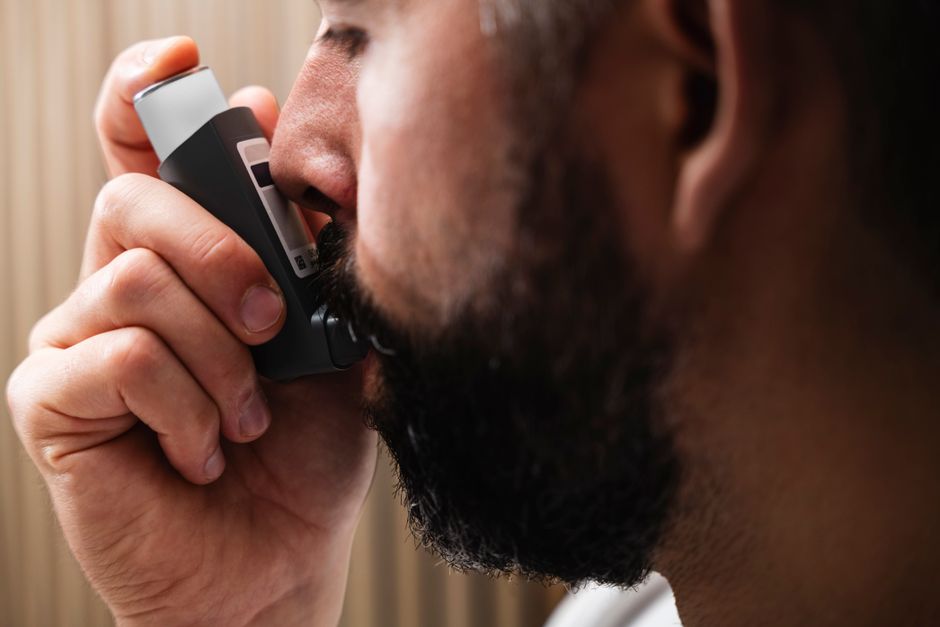
An asthma attack happens when the airways in your lungs narrow and swell, making it hard to breathe. The muscles around the airways tighten, and the lining produces extra mucus. This combination blocks airflow. The main triggers are things you breathe in, like pollen, dust, smoke, or cold air. Viral infections, exercise, and strong emotions can also set off an attack. For most people, an attack is not random — it is a reaction to a specific trigger that inflames sensitive airways.
How Do Allergens Trigger Asthma Attacks?
Allergens are the most common cause of asthma attacks. When you have asthma, your immune system treats harmless substances like pollen or pet dander as threats. It releases chemicals like histamine to fight them off. Those chemicals cause inflammation and swelling in your airways.
Common allergens include pollen from trees, grass, and weeds. Dust mites, mold spores, and cockroach droppings are also frequent triggers. Pet dander — tiny flakes of skin from cats, dogs, or other animals — can set off symptoms within minutes. The American College of Allergy, Asthma, and Immunology notes that about 60 percent of people with asthma have allergic asthma. That means allergens are their primary trigger.
Indoor allergens often cause more problems than outdoor ones because you spend more time inside. Dust mites live in bedding, carpets, and upholstered furniture. Mold grows in damp areas like bathrooms and basements. Reducing exposure to these allergens can lower the frequency of attacks. Using allergen-proof covers on pillows and mattresses helps. Keeping indoor humidity below 50 percent also reduces dust mites and mold.
Can Respiratory Infections Cause Asthma Attacks?
Yes. Viral infections are a major trigger, especially in children. The common cold, influenza, and respiratory syncytial virus (RSV) can all set off an attack. The virus infects the lining of your airways, causing inflammation. For someone with already sensitive airways, this extra swelling can be enough to block airflow.
Research published in the Journal of Allergy and Clinical Immunology found that respiratory viruses are detected in up to 80 percent of asthma attacks in children. In adults, the number is lower but still significant. The viruses do not just trigger attacks — they can make asthma harder to control for weeks after the infection clears.
Getting a yearly flu shot is one practical step. The CDC recommends the flu vaccine for everyone with asthma over six months old. It does not prevent all respiratory infections, but it lowers your risk for the ones most likely to cause severe attacks. Washing hands regularly and avoiding close contact with sick people also helps.
What Role Does Exercise Play in Triggering Asthma?
Exercise can cause asthma symptoms in many people. This is called exercise-induced bronchoconstriction (EIB). It happens when you breathe faster during physical activity, pulling in air that is cooler and drier than the air inside your lungs. That change irritates the airways and makes them tighten.
EIB is not a separate condition — it is a sign that your asthma is not fully controlled. The symptoms usually start 5 to 15 minutes into exercise and can last for 30 to 60 minutes after you stop. Running outdoors in cold weather is a common trigger. Swimming in a warm, humid pool tends to cause fewer problems because the air is moist.
Using a short-acting inhaler about 15 minutes before exercise can prevent symptoms. Warming up slowly before intense activity also helps. The American Thoracic Society states that with proper management, most people with asthma can exercise without problems. Avoiding exercise because of asthma is usually unnecessary — the goal is to treat the asthma well enough that exercise does not trigger it.




Does Weather or Air Quality Cause Asthma Attacks?
Yes, weather changes and poor air quality can trigger attacks. Cold air is a direct irritant to the airways. When you breathe in cold, dry air, the moisture in your lungs evaporates quickly. That cooling and drying effect makes the airway muscles tighten. Hot, humid air can also be a problem because it traps pollutants and allergens close to the ground.
Air pollution is a well-documented trigger. Ozone, nitrogen dioxide, and particulate matter from car exhaust and industrial sources inflame the lungs. A study in the New England Journal of Medicine showed that high ozone levels increase the risk of asthma attacks and hospital visits. Wildfire smoke is another growing concern — it contains fine particles that reach deep into the lungs.
Thunderstorms are a less obvious but real trigger. When pollen grains get wet during a storm, they burst into tiny fragments. Those fragments are small enough to be inhaled deep into the lungs. Emergency room visits for asthma attacks spike during thunderstorm seasons in places with high pollen counts, like Australia and parts of the United States.
Can Stress and Strong Emotions Trigger Asthma?
Yes. Emotional stress does not cause asthma, but it can trigger attacks in people who already have it. When you feel stressed, scared, or angry, your body releases hormones like adrenaline and cortisol. These hormones speed up your breathing and can make your airways tighten. Crying, laughing hard, or yelling can also set off symptoms because they change your breathing pattern.
This is not “all in your head.” The physical response to stress is real. A study in the journal Chest found that college students with asthma who faced exam stress had more inflammation in their airways than those who did not. The stress itself caused measurable changes in lung function.
Managing stress does not cure asthma, but it can reduce how often attacks happen. Deep breathing exercises, meditation, and regular sleep help keep the nervous system calm. Some people report that learning to recognize their emotional triggers gives them more control over their condition. The evidence for this is moderate — it helps some people more than others, and it does not replace medication.
What Medications and Substances Can Trigger Attacks?
Some medications can trigger asthma attacks in people who are sensitive to them. Aspirin and other nonsteroidal anti-inflammatory drugs (NSAIDs) like ibuprofen and naproxen are common triggers. About 5 to 10 percent of adults with asthma have what is called aspirin-exacerbated respiratory disease (AERD). These people often also have nasal polyps and chronic sinusitis.
Beta-blockers are another medication class that can worsen asthma. These drugs are used for high blood pressure, heart conditions, and migraines. They block the receptors that keep airways open. Even eye drops containing beta-blockers for glaucoma can cause problems. If you have asthma, your doctor should know before prescribing any new medication.
Sulfites are food preservatives that can trigger attacks in some people. They are found in dried fruits, wine, beer, pickled foods, and some processed potatoes. The FDA estimates that about 1 in 100 people with asthma are sulfite-sensitive. The reaction can be severe, so reading food labels is important if you know you are sensitive.
How Do You Identify Your Personal Triggers?
Identifying what specifically causes your attacks takes time and attention. The best tool is a symptom diary. Write down when you have symptoms, what you were doing, where you were, and what you ate or drank. Over a few weeks, patterns often become clear. Allergy testing by a doctor can confirm triggers like pollen or dust mites.
Peak flow meters can help. These small devices measure how fast you can blow air out of your lungs. Using one daily gives you a baseline number. When your peak flow drops, it often means a trigger is affecting you before you feel symptoms. This can help you connect cause and effect more accurately.
| Trigger Category | Common Examples | How to Reduce Exposure |
|---|---|---|
| Allergens | Pollen, dust mites, mold, pet dander | Use air filters, wash bedding weekly, keep pets out of bedroom |
| Infections | Cold virus, flu, RSV | Get flu shot, wash hands, avoid sick people |
| Exercise | Running in cold air, intense sports | Use inhaler before exercise, warm up slowly |
| Weather | Cold air, humidity, thunderstorms | Cover mouth with scarf in cold, stay indoors during storms |
| Emotions | Stress, crying, laughing hard | Practice breathing exercises, manage stress |
| Medications | Aspirin, NSAIDs, beta-blockers | Tell all doctors you have asthma, check labels |
Most people have more than one trigger. The key is knowing which ones matter most for you. An allergist or pulmonologist can help you figure this out. Once you know your triggers, you can avoid them or prepare for them. That is how you reduce attacks — not by avoiding life, but by knowing what your body reacts to.
Common Misconceptions About Asthma Attack Triggers
A common myth is that food allergies are a major cause of asthma attacks. True food allergies can cause severe reactions, but they are not a common trigger for asthma specifically. The National Institute of Allergy and Infectious Diseases states that food triggers asthma attacks in less than 2 percent of people with asthma. Focus on inhaled triggers first.
Another misconception is that asthma attacks are always sudden. Many attacks build slowly over hours or even days. Symptoms get worse gradually — a little more coughing here, a little more tightness there. If you catch the early signs, you can often prevent a full attack by using your rescue inhaler or adjusting your controller medication.
Some people believe that if you have asthma, you should avoid exercise entirely. That is wrong. Exercise is good for lung health. The goal is to treat the asthma well enough that exercise does not trigger symptoms. Avoiding activity weakens your lungs over time and makes asthma harder to control. Work with your doctor to find a plan that allows you to stay active.
Frequently Asked Questions
Can stress alone cause an asthma attack?
Stress can trigger an asthma attack in someone who already has asthma, but it does not cause asthma on its own. The physical changes from stress — faster breathing and hormone release — can make airways tighten.
Is it possible to have an asthma attack without any trigger?
It is rare. Most asthma attacks have a clear trigger like an allergen, infection, or irritant. If attacks seem to happen randomly, it often means a trigger is present but not yet identified.
Can perfume or strong smells trigger an asthma attack?
Yes. Strong fragrances from perfume, cleaning products, air fresheners, and scented candles can irritate sensitive airways. These are not allergens but irritants that cause airway narrowing in some people.
Does weather really affect asthma that much?
Yes, especially cold air and thunderstorms. Cold air directly irritates airways, and thunderstorms can burst pollen into tiny fragments that are inhaled deep into the lungs. Both are well-documented triggers.
