
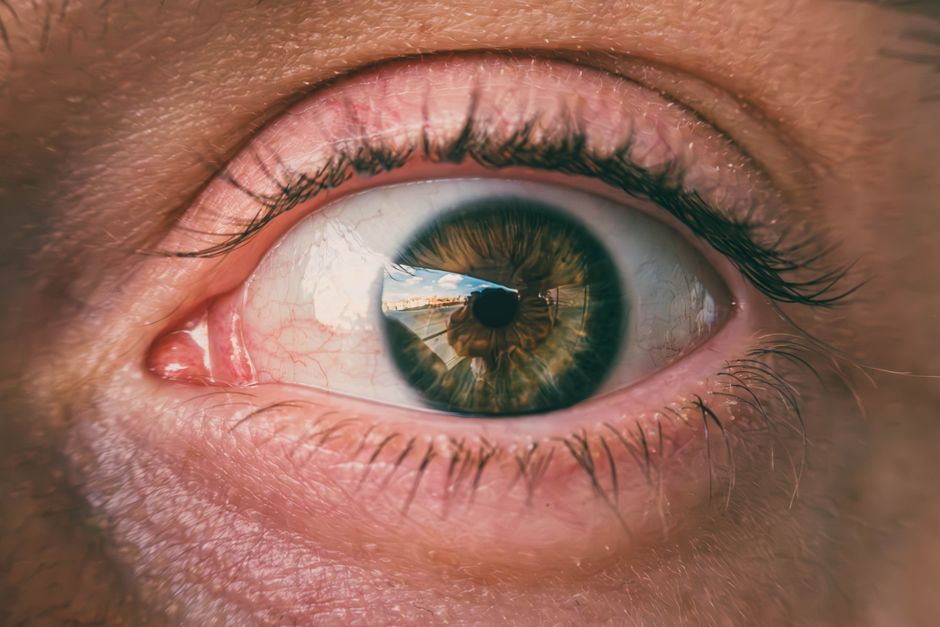
A stye is a small, painful lump that forms on the edge of your eyelid. It happens when a bacterial infection, usually from staphylococcus bacteria, gets into the oil glands at the base of your eyelashes. You get a stye when bacteria from your skin or hands travel to that gland and cause it to swell and fill with pus.
What Exactly Causes a Stye to Form?
The most common cause is a blockage in one of the tiny oil glands along your eyelid margin. These glands produce oil that lubricates your eye. When the opening of a gland gets clogged, bacteria can multiply inside it. This triggers inflammation, and the gland becomes a tender red bump.
Most styes are caused by Staphylococcus aureus, a type of bacteria that lives harmlessly on human skin. The problem starts when that bacteria enters the blocked gland. A stye is basically an infected, blocked oil gland.
There are two types of styes. An external stye forms at the base of an eyelash follicle. An internal stye forms deeper inside the eyelid, on the oil-producing gland itself. Internal styes are often more painful because they are pressed against the surface of your eye.
How Do You Get A Stye In Your Eye Causes Triggers: The Main Risk Factors
Bacteria are everywhere on your body. But certain habits and conditions make it more likely that bacteria will reach a gland and cause an infection.
The single biggest trigger is touching your eyes with unwashed hands. When you rub your eyes, you transfer bacteria from your fingers directly to the delicate eyelid margin. This is especially risky if your hands have come into contact with surfaces that carry high bacterial loads, like doorknobs, phones, or keyboards.
Using old or contaminated eye makeup is another major trigger. Mascara wands and eyeliner pencils collect bacteria every time you use them. When you apply makeup, you are pushing those bacteria directly into the openings of your oil glands. Sharing makeup with another person multiplies this risk significantly.
Leaving eye makeup on overnight is a common cause. Makeup particles can block the oil gland openings during sleep, setting up the perfect environment for infection.
Other triggers include:
- Chronic blepharitis, a condition where the eyelid margins are constantly inflamed
- Hormonal changes that alter oil production in the skin
- Stress, which can change how your body manages inflammation
- Certain skin conditions like rosacea or seborrheic dermatitis
- Not removing contact lenses properly or wearing them longer than recommended
Some research indicates that people with diabetes or conditions that weaken the immune system may get styes more often. The body’s ability to fight off the bacterial infection is reduced, so the gland becomes infected more easily.
Are Styes Contagious?
Styes are not contagious in the way a cold or pink eye is. You cannot catch a stye from looking at someone who has one. The bacteria that cause styes are already present on most people’s skin.
However, the bacteria can be transferred from one person to another through shared items. Sharing towels, washcloths, or pillowcases with someone who has an active stye can spread the bacteria. If that bacteria enters your oil glands, you could develop a stye of your own.
The infection itself is contained inside the eyelid gland. It does not spread easily to other people. But good hygiene around shared items is still wise when someone in your household has an active stye.





How Long Does a Stye Last?
A typical stye follows a predictable course. It usually swells and becomes painful for the first two to three days. The bump may come to a head and drain on its own. Most styes resolve completely within seven to ten days.
Some styes do not drain on their own. Instead, they form a firm, painless lump called a chalazion. A chalazion is a blocked oil gland that has not become infected. It can last for several weeks or even months. Many chalazia eventually shrink without treatment, but some require medical attention.
Styes that do not improve within a week, or that become increasingly painful and swollen, should be examined by a doctor. An internal stye that does not drain can sometimes require a minor procedure to open and drain it.
What Helps a Stye Heal Faster?
Warm compresses are the most effective home treatment for a stye. Applying a clean cloth soaked in warm water to the closed eyelid for ten minutes, three to four times a day, helps the blocked gland drain naturally. The heat softens the hardened oil and encourages the pus to come to the surface.
It is important to use a fresh, clean cloth for each compress. Reusing the same cloth without washing it can reintroduce bacteria to the area.
You should never squeeze or pop a stye. Squeezing can push the infection deeper into the eyelid tissue. It can also spread the bacteria to other glands, leading to multiple styes or a more serious infection called cellulitis.
Over-the-counter pain relievers like acetaminophen or ibuprofen can help with the discomfort. Some pharmacists recommend antibiotic ointments for styes, but the evidence that these speed up healing is limited. If the stye does not improve with warm compresses after a few days, a doctor may prescribe an antibiotic ointment or drops.
Stop wearing eye makeup and contact lenses until the stye has completely healed. Both can irritate the area and delay recovery.
How to Prevent Styes From Coming Back
Prevention focuses on keeping bacteria away from your eyelid glands. The most important habit is washing your hands before you touch your face or eyes. This single action prevents most styes.
If you wear eye makeup, replace mascara every three months. Eyeliner pencils should be sharpened regularly, and the tip should be wiped clean before each use. Never share eye makeup with anyone, even family members.
Remove all eye makeup every night before bed. Use a gentle cleanser designed for the eye area. Make sure no residue remains along the lash line.
If you have blepharitis, a daily eyelid scrub can reduce the bacteria and oil buildup that lead to styes. Your doctor can recommend a specific eyelid cleanser or a safe dilution of baby shampoo.
Wash your pillowcases and towels frequently. Bacteria from your skin and eyes can accumulate on fabric and transfer back to your face.
When Should You See a Doctor?
Most styes are harmless and resolve on their own. But some situations require medical evaluation.
See a doctor if the stye does not improve after 48 hours of warm compresses. Also seek care if the stye becomes very large, extremely painful, or starts to affect your vision. Redness spreading from the stye to your cheek or the rest of your eyelid can indicate a spreading infection that needs treatment.
Recurrent styes are worth discussing with a doctor. If you get styes several times a year, there may be an underlying condition like blepharitis or rosacea that needs management. In some cases, a doctor may recommend a course of antibiotics to reduce the bacterial load on your eyelids.
Swelling of the entire eyelid, fever, or chills alongside a stye are warning signs of a more serious infection. These symptoms require prompt medical attention.
Frequently Asked Questions
Can lack of sleep cause a stye?
Lack of sleep does not directly cause a stye, but it can weaken your immune system and make you more likely to rub your eyes. Poor sleep also increases overall inflammation in the body, which may make an existing gland blockage more likely to become infected.
Is it safe to wear makeup with a stye?
No, you should stop wearing eye makeup until the stye has completely healed. Makeup can further block the oil gland and introduce more bacteria to the infected area.
Can stress cause a stye?
Stress does not directly cause a stye, but it can trigger behaviors and bodily changes that increase your risk. Stress may lead to more eye rubbing, altered oil production, and a less effective immune response to the bacterial infection.
Should I pop a stye to drain it?
Never squeeze or pop a stye yourself. This can push the infection deeper into your eyelid and cause serious complications. Let the stye drain naturally or have a doctor drain it in a sterile setting if needed.
