
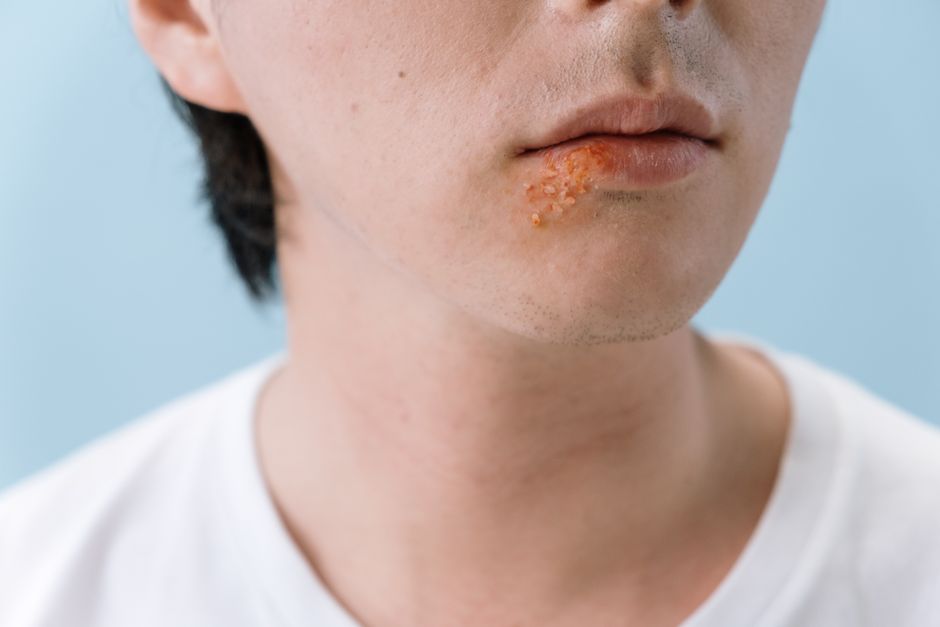
A traumatic ulcer in the mouth is a break in the lining of your oral tissues caused by physical injury, not by a virus or infection. The root causes are direct damage from biting, rubbing, burns, or dental work, which tears the delicate surface and leaves a painful sore that takes one to two weeks to heal.
What Causes A Traumatic Ulcer In The Mouth
Traumatic ulcers happen when something physically damages the thin mucous membrane inside your mouth. Unlike canker sores, which often appear without a clear trigger, a traumatic ulcer has a specific event behind it. You likely know exactly when it happened — the moment you bit your cheek or felt a sharp chip scrape your tongue.
The mouth’s lining is fragile. It is made of epithelial cells that protect the tissue underneath. When that layer breaks, the nerves beneath become exposed. That exposure is what makes the ulcer hurt, especially when you eat, drink, or talk.
Most people will have at least one traumatic ulcer at some point. They are common, generally harmless, and heal on their own. The key is identifying the cause so you can stop repeating the behavior that created the sore.
What Are the Most Common Physical Causes?
The most frequent cause is accidental biting. The inside of the cheek and the sides of the tongue are the usual spots. This often happens while chewing, especially if you eat quickly or talk while eating. It also happens during sleep — many people grind or clench their teeth at night, catching the cheek between their molars.
Sharp or rough food is another common trigger. Tortilla chips, hard pretzels, crusty bread, and popcorn kernels can scratch the palate or the inside of the lips. These scratches may not hurt at first, but they can turn into ulcers as the area becomes irritated over the following day.
Dental work is a frequent culprit. New braces rub against the lips and cheeks. Ill-fitting dentures create pressure sores on the gums. A broken tooth or a rough filling has a sharp edge that constantly scrapes the tongue. Even a routine cleaning can leave a small sore if the instruments catch the tissue.
Thermal burns count as trauma too. Hot pizza cheese, coffee, or soup can burn the roof of the mouth. The damaged tissue peels away, leaving a raw, painful area that looks very much like an ulcer.
How Do Chemical Burns Cause Mouth Ulcers?
Chemical burns are a specific type of traumatic ulcer that people often do not recognize. Aspirin placed directly against the gum or cheek is a classic example. Some people do this to relieve a toothache, but aspirin is acidic and burns the tissue it touches. This creates a white, painful patch that is often mistaken for an infection. It is not — it is a chemical injury.
Other common chemical irritants include alcohol held in the mouth, certain mouthwashes used too frequently, and recreational drugs that are rubbed on the gums. Some tooth-whitening products, especially when used incorrectly, can also burn soft tissue.
These chemical ulcers look different from bite injuries. They often appear as a white or grayish area rather than a red open sore. The tissue may look leathery or dead at the center. They are just as painful and take the same amount of time to heal.





Which Habits Make Traumatic Ulcers Worse?
Chronic cheek biting is a habit that creates repeated ulcers in the same location. Some people do this unconsciously when they are stressed or concentrating. Over time, the tissue in that spot becomes thickened and scarred. The repeated trauma means the area never fully heals before it is injured again.
Mouth breathing, especially at night, dries out the oral tissues. Dry tissue is more fragile and more easily damaged by normal chewing. A dry mouth also slows healing because saliva contains proteins that help repair tissue.
Tobacco use is another factor. The heat and chemicals in smoke irritate the mouth’s lining, making it more vulnerable to injury. Smokeless tobacco causes direct contact injury to the specific spot where it sits.
Ill-fitting dental appliances are worth mentioning again because they cause constant, low-grade trauma. A denture that rubs the same spot for months creates an ulcer that never heals. This is different from an accidental bite — the injury is ongoing rather than a single event.
How Can You Tell a Traumatic Ulcer From Other Mouth Sores?
Traumatic ulcers have a few distinguishing features. They usually appear at the site of a known injury. They are often on the cheek, lip, tongue, or palate — the areas most exposed to contact. They are typically single sores, though multiple scratches can create multiple ulcers.
Canker sores, also called aphthous ulcers, are different. They are not caused by trauma. They appear on the loose tissue inside the lips and cheeks, often in clusters. They tend to recur in the same people, and stress, certain foods, or hormonal changes can trigger them. They usually have a gray or yellow center with a red halo.
Cold sores are caused by the herpes simplex virus. They appear on the lips or around the mouth, not inside the mouth. They start as blisters before breaking open into sores. They are contagious, while traumatic ulcers are not.
Oral cancer is rare, but it can appear as a non-healing sore. The key difference is time. A traumatic ulcer should heal within two weeks. Any sore that lasts longer than that — especially one that does not hurt — needs professional evaluation. Pain is actually a good sign; most oral cancers are painless in the early stages.
How Long Does Healing Take and What Helps?
Most traumatic ulcers heal within 7 to 14 days. Small scratches can heal in a few days. Deeper bites or burns may take the full two weeks. The healing time depends on the size of the injury and whether the cause is removed.
If the source of trauma continues — a sharp tooth, a rubbing denture — the ulcer will not heal. Fixing the cause is the first step in treatment. A dentist can smooth a rough filling or adjust a denture. If you bit yourself, simply being more careful while chewing may be enough.
For pain relief, over-the-counter oral gels containing benzocaine can numb the area temporarily. Saltwater rinses, made by dissolving half a teaspoon of salt in a glass of warm water, can keep the area clean. Some research suggests that these rinses help prevent infection, though they do not speed healing directly.
Avoid spicy, acidic, or crunchy foods while the ulcer heals. These foods irritate the exposed tissue and make the pain worse. Soft, bland foods are easier to tolerate. Drinking through a straw can help bypass a sore on the lips or front of the mouth.
There is no evidence that vitamins or supplements speed healing of a traumatic ulcer in a healthy person. The body repairs this type of injury on its own schedule.
When Should You See a Doctor or Dentist?
See a professional if the ulcer lasts longer than two weeks without improvement. This is the most important rule. Most mouth sores that persist beyond this point are still benign, but the risk of something more serious increases with time.
See a professional sooner if the ulcer grows rapidly, if you have multiple ulcers that keep appearing, or if you have difficulty eating or drinking because of the pain. Weight loss from avoiding food is a sign the ulcer needs medical attention.
People with weakened immune systems — from chemotherapy, organ transplantation, or conditions like HIV — should be more cautious. Their bodies heal more slowly, and what looks like a simple ulcer could become infected.
If the ulcer bleeds without cause, becomes increasingly painful instead of less painful, or develops a hard edge, these are warning signs. They do not mean you have cancer, but they do mean you need an examination to rule it out.
Frequently Asked Questions
Can stress cause a traumatic ulcer in the mouth?
Stress does not directly cause a traumatic ulcer, but it can increase behaviors that do, like cheek biting or teeth grinding. Stress also slows healing, so an ulcer may last longer when you are under pressure.
Is a traumatic ulcer the same as a canker sore?
No. A traumatic ulcer comes from physical injury to the mouth, while a canker sore appears without a clear physical cause. They look similar, but the cause and treatment approach are different.
How long does a traumatic mouth ulcer take to heal?
Most heal within 7 to 14 days. If the cause is removed and the ulcer does not improve in two weeks, see a dentist or doctor for evaluation.
Can mouthwash make a traumatic ulcer worse?
Mouthwash containing alcohol can sting and irritate an open ulcer. A saltwater rinse is gentler and can help keep the area clean while it heals.
