
If your mouth feels like cotton no matter how much water you drink, you are not alone. Dry mouth, or xerostomia, is not a disease itself but a symptom that something else is going on. The root causes range from everyday habits like mouth breathing to prescription medications, autoimmune conditions, and even nerve damage.
What Actually Causes Dry Mouth?
Dry mouth happens when your salivary glands do not produce enough saliva. Saliva is not just for wetness. It helps you digest food, protects your teeth from decay, and keeps bacteria in check. When production drops below a certain level, the discomfort begins.
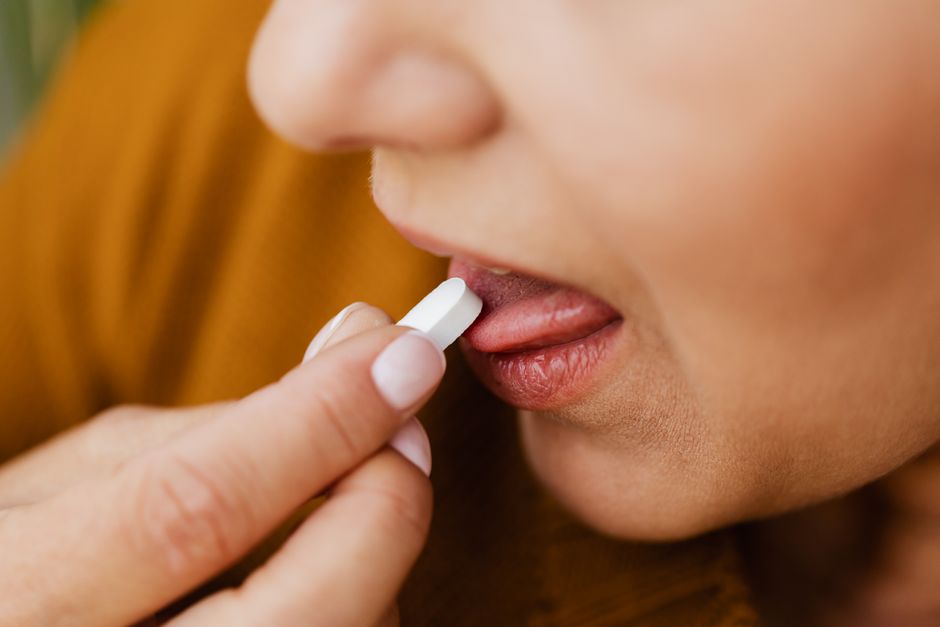
The most common cause is medication. Over 400 prescription and over-the-counter drugs list dry mouth as a side effect. Antihistamines, decongestants, blood pressure medications, antidepressants, and muscle relaxants are frequent offenders. The National Institute of Dental and Craniofacial Research states that dry mouth is one of the most reported side effects in older adults simply because they take more medications.
Another major cause is mouth breathing. If you sleep with your mouth open or breathe through it during the day, the airflow evaporates saliva faster than your glands can produce it. This is especially common in people with nasal congestion, deviated septums, or sleep apnea.
Dehydration plays a role too, but it is often overblown. Most people with chronic dry mouth are not dehydrated. They are producing less saliva for other reasons. Drinking more water helps the sensation but does not fix the underlying problem.
Can Medical Conditions Cause Dry Mouth?
Yes, several medical conditions directly affect saliva production. The most well-known is Sjögren’s syndrome, an autoimmune disorder where the immune system attacks the glands that produce moisture. The Sjögren’s Foundation reports that dry mouth is one of the two hallmark symptoms, alongside dry eyes. This condition affects millions of Americans, mostly women over 40.
Diabetes is another common cause. High blood sugar can reduce saliva flow and also increase thirst, which makes the dry feeling worse. Research published in the Journal of Oral Pathology and Medicine found that people with poorly controlled diabetes are significantly more likely to report dry mouth than those with well-managed blood sugar.
Other conditions linked to dry mouth include HIV/AIDS, Parkinson’s disease, Alzheimer’s disease, and rheumatoid arthritis. Radiation therapy for head and neck cancers can permanently damage salivary glands. Chemotherapy can temporarily reduce saliva production as well.
Nerve damage from injury or surgery to the head or neck can also interrupt the signals that tell your salivary glands to work. This is less common but worth mentioning if you have had any procedure in that area.
What Medications Are Most Likely to Cause Dry Mouth?
If you take medication and have dry mouth, check the label. Antihistamines like diphenhydramine (Benadryl) and cetirizine (Zyrtec) are notorious for drying out mucous membranes. Decongestants like pseudoephedrine (Sudafed) constrict blood vessels, which reduces saliva production.
Blood pressure medications, especially diuretics and beta-blockers, are common culprits. Antidepressants, particularly SSRIs like fluoxetine (Prozac) and sertraline (Zoloft), frequently cause dry mouth. Muscle relaxants and medications for overactive bladder also list it as a side effect.
Here is a comparison of common drug classes and their reported dry mouth rates:
| Drug Class | Examples | Dry Mouth Prevalence |
|---|---|---|
| Antihistamines | Diphenhydramine, cetirizine | Very common (up to 40% of users) |
| Antidepressants (SSRIs) | Fluoxetine, sertraline | Common (20-30% of users) |
| Blood pressure meds | Hydrochlorothiazide, metoprolol | Moderate (10-20% of users) |
| Muscle relaxants | Cyclobenzaprine, baclofen | Common (15-25% of users) |
| Decongestants | Pseudoephedrine | Very common (up to 50% of users) |
If you suspect your medication is the cause, do not stop taking it. Talk to your doctor. Sometimes a lower dose or switching to a different drug in the same class can help.




Does Aging Itself Cause Dry Mouth?
This is a common belief, but it is not accurate. Aging alone does not cause dry mouth. Many healthy older adults produce normal amounts of saliva. The confusion comes from the fact that older people are more likely to have conditions and take medications that cause dry mouth.
Research from the National Institute on Aging confirms that healthy aging does not reduce saliva production. The real drivers are the medications and chronic diseases that become more common with age. So if you are over 65 and have dry mouth, it is worth looking at your medication list and health conditions before blaming your age.
That said, the salivary glands can become less responsive over time in some people. But this is not universal. It is more accurate to say that age increases your risk of having a condition that causes dry mouth, not that age itself is the cause.
What Lifestyle Factors Make Dry Mouth Worse?
Several everyday habits can worsen dry mouth even if the root cause is something else. Smoking and vaping are high on the list. Tobacco smoke and the chemicals in vape juice can irritate salivary glands and reduce output. Alcohol and caffeine both have a drying effect because they act as diuretics, increasing fluid loss.
Mouth breathing, as mentioned earlier, is a major factor. If you wake up with a dry mouth every morning, you are likely sleeping with your mouth open. This can be caused by nasal congestion, a deviated septum, or sleep apnea. Using a humidifier at night can help with the sensation but does not address the breathing pattern.
Spicy or acidic foods can also trigger discomfort if your mouth is already dry. They do not cause dry mouth, but they can make the feeling worse. Chewing gum or sucking on hard candy can stimulate saliva flow temporarily, but if the candy contains sugar, it increases cavity risk. Sugar-free options are better.
Here are practical things that can help manage the sensation:
- Drink small sips of water throughout the day, not large amounts at once.
- Use a humidifier in your bedroom at night.
- Chew sugar-free gum or suck on sugar-free lozenges to stimulate saliva.
- Avoid mouthwashes that contain alcohol, which dries the mouth further.
- Limit caffeine and alcohol, especially in the evening.
When Should You See a Doctor About Dry Mouth?
If your dry mouth is persistent and does not improve with hydration or lifestyle changes, see a healthcare provider. Dry mouth can lead to serious dental problems if left untreated. Saliva protects teeth from decay, and without it, cavities and gum disease become much more likely.
The American Dental Association recommends that anyone with chronic dry mouth see a dentist regularly for fluoride treatments and cavity checks. If the cause is medication, your doctor may adjust your prescription. If an autoimmune condition is suspected, blood tests for Sjögren’s syndrome or other disorders may be ordered.
Severe dry mouth can also make it hard to speak, swallow, or taste food. Some people develop cracked lips, sores in the mouth, or a persistent sore throat. If you notice any of these, do not wait. Treating the underlying cause early can prevent complications.
There are prescription medications that can stimulate saliva production, such as pilocarpine and cevimeline. These are not first-line treatments but can help in cases where the cause cannot be reversed.
Frequently Asked Questions
Can dry mouth be a sign of something serious?
Yes, it can be a sign of autoimmune diseases like Sjögren’s syndrome, diabetes, or nerve damage. It is worth investigating if it persists.
Does drinking more water cure dry mouth?
Drinking water helps the sensation but does not fix the underlying cause. If your salivary glands are not producing enough, water only provides temporary relief.
What is the best over-the-counter product for dry mouth?
Saliva substitutes and mouthwashes designed for dry mouth, like those containing xylitol, can provide relief. Avoid products with alcohol.
Can anxiety cause dry mouth?
Yes, anxiety and stress can reduce saliva production temporarily. Chronic anxiety may contribute to dry mouth through medication or mouth breathing.
