
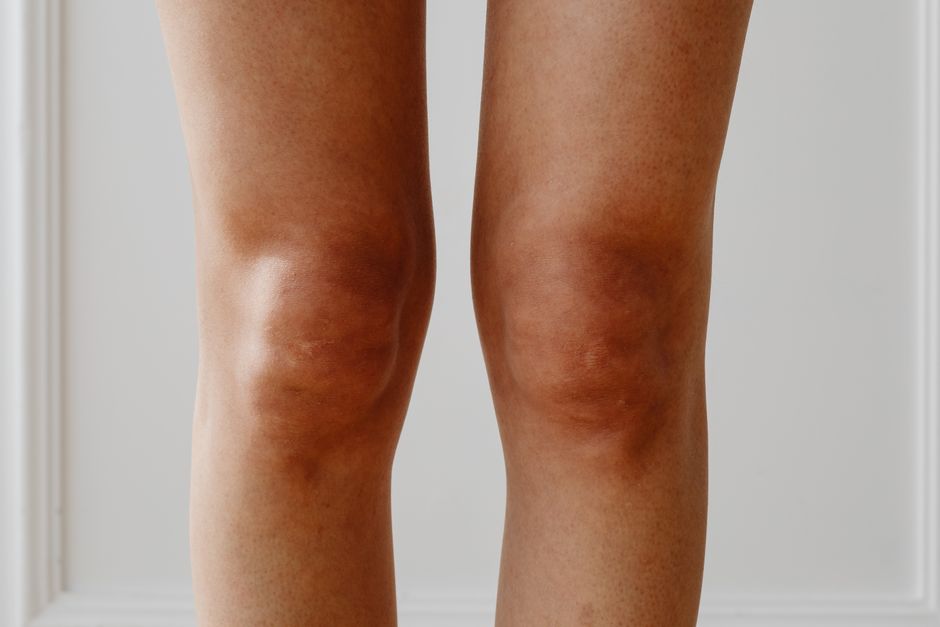
Fluid on the knee happens when the joint produces or retains more synovial fluid than it can clear. That fluid is not water — it is a thick, egg-white-like lubricant made by the synovial membrane, the thin lining inside the joint capsule. When that lining becomes irritated or inflamed, it leaks extra fluid into the space around the knee. Doctors call the buildup an effusion, and it is a sign of an underlying problem rather than a condition on its own.
What Cause Fluid On Knee?
The most common cause is inflammation from injury or arthritis. Something irritates the synovial lining, the lining responds by producing more fluid, and the fluid collects faster than the joint can drain it.
Causes generally fall into two groups. The first is inflammatory — the lining itself is irritated. The second is non-inflammatory, where fluid builds up for mechanical or other reasons. Telling the two apart matters because the treatment is different.
Inflammatory causes
- Osteoarthritis. The most frequent cause of knee effusion in adults. Cartilage wear triggers low-grade inflammation in the joint lining.
- Rheumatoid arthritis and other autoimmune conditions. The immune system attacks the synovial lining directly, causing swelling that is often warm and long-lasting.
- Gout and pseudogout. Uric acid or calcium crystals deposit in the joint and set off sudden, intense inflammation.
- Infection (septic arthritis). Bacteria enter the joint. This is a medical emergency and needs urgent care.
Non-inflammatory and mechanical causes
- Ligament or meniscus tears. An ACL, MCL, or meniscus injury often produces swelling within hours.
- Overuse. Repetitive activity can irritate the lining without a single clear injury.
- Bursitis. Inflammation of the fluid sacs around the knee can mimic joint swelling.
- Baker’s cyst. A fluid-filled sac at the back of the knee, usually a sign of another problem inside the joint.
Less common causes include bleeding into the joint after trauma or in people on blood thinners, tumors, and reactive arthritis following an infection elsewhere in the body.
How Can You Tell Injury From Arthritis as the Cause?
Timing and history usually point the way. A traumatic injury tends to cause swelling quickly, while arthritis tends to build up more gradually.
Swelling that appears within a few hours of a twist or fall suggests bleeding or a significant structural injury. Swelling that develops over a day or more is more typical of inflammation from arthritis or overuse. Swelling that comes and goes over weeks or months points toward a chronic condition.
Other clues help narrow it down. A knee that is red, hot, and very painful, especially with fever, raises concern for infection and needs same-day medical attention. Swelling in both knees often suggests a systemic condition like rheumatoid arthritis or gout rather than a single injury.
None of these patterns is perfect. Only a clinician can sort out the cause with an exam and, when needed, imaging or fluid testing.
What Does the Fluid Itself Tell Doctors?
If a doctor draws fluid from the knee with a needle, the sample can reveal a lot. This procedure is called arthrocentesis, and the fluid is analyzed for color, thickness, cell count, crystals, and bacteria.
| Fluid type | What it often suggests |
|---|---|
| Clear, pale yellow, thick | Normal or mild osteoarthritis |
| Cloudy, yellow, thin | Inflammation from arthritis or gout |
| Bloody | Injury, bleeding disorder, or blood thinners |
| Cloudy with bacteria | Infection — a medical emergency |
This is why testing the fluid matters. Two knees can look identical from the outside but contain very different fluid, and the treatment depends entirely on which one it is.




What Are the Symptoms of Fluid on the Knee?
The knee looks and feels swollen, and the swelling can range from mild puffiness to a knee that feels tight and hard to bend.
Common signs include:
- A visibly larger knee compared to the other side
- Stiffness, especially in the morning or after sitting
- Pain that worsens with movement
- A feeling of pressure or fullness in the joint
- Difficulty fully bending or straightening the knee
One useful distinction: swelling that feels soft and squishy is often called “water on the knee,” while a firm, doughy feel can indicate thickening of the synovial lining itself. Both can occur together.
When Should You See a Doctor?
See a doctor promptly if the knee is red, hot, or extremely painful, if you have a fever, or if you cannot bear weight on the leg. These signs can indicate infection, which is a medical emergency.
Also seek care if swelling follows a significant injury, if it does not improve within a few days, or if it keeps returning. Recurrent swelling usually means an underlying cause has not been addressed.
For mild swelling without red flags, rest, ice, compression, and elevation may ease symptoms while you arrange an evaluation. These measures treat the symptom, not the cause.
How Is Fluid on the Knee Treated?
Treatment targets the underlying cause, because draining fluid without addressing why it formed usually means it comes back.
For osteoarthritis, common approaches include physical therapy, weight management where relevant, and pain relief. For inflammatory arthritis, doctors may prescribe medications that calm the immune response. For gout, treatment focuses on lowering uric acid. For infection, antibiotics and sometimes surgical washing of the joint are needed.
Draining the fluid can relieve pressure and improve comfort, and it also provides a sample for testing. Some clinicians inject a steroid medication into the joint after draining, though evidence for how well this works long-term varies by cause. It is widely done but not a cure for the underlying problem.
Physical therapy plays a real role. Strengthening the muscles around the knee can improve stability and reduce the load on the joint, which may lower the chance of repeated swelling.
Can Fluid on the Knee Be Prevented?
You cannot prevent every cause, but you can lower the risk from some of them.
Maintaining a healthy weight reduces mechanical stress on the knee. Warming up before activity and building strength gradually can lower injury risk. If you have gout or inflammatory arthritis, following your treatment plan helps prevent flare-ups that cause swelling.
For people with recurrent effusion from osteoarthritis, staying active within comfort limits tends to help more than complete rest. Muscles that are not used become weaker, and a weaker knee is more vulnerable.
What Does the Evidence Say About Common Claims?
Several popular claims about knee fluid are not supported by strong evidence.
Supplements marketed for joint health, such as glucosamine and chondroitin, have been studied extensively. Results have been mixed, and major trials have not shown clear benefit for most people with knee osteoarthritis. Some individuals report improvement, but this is not the same as proven effectiveness.
Compression sleeves and braces can help with comfort and confidence during activity. Whether they change the underlying course of the condition is not well established.
Draining fluid repeatedly without treating the cause is not a solution. It may relieve symptoms temporarily, but the fluid typically returns if the source of inflammation remains.
Frequently Asked Questions
What is the most common cause of fluid on the knee?
Osteoarthritis is the most common cause in adults, followed by injuries such as ligament or meniscus tears. Inflammatory conditions like gout and rheumatoid arthritis are also frequent causes.
Is fluid on the knee serious?
It can be. Swelling with redness, heat, severe pain, or fever may indicate infection, which is a medical emergency. Mild swelling without these signs is usually not urgent but still warrants evaluation.
Does fluid on the knee go away on its own?
Mild swelling from overuse sometimes settles with rest and ice. Swelling from arthritis, injury, or infection usually needs treatment of the underlying cause before it resolves.
Can I drain knee fluid at home?
No. Draining fluid requires a needle and sterile technique performed by a clinician. Attempting it at home risks infection and injury.
